
Key Hormonal Players
Imagine a complex factory floor where four main machines must operate in perfect, rhythmic harmony to produce a single, vital output. If one machine slows down or speeds up, the entire production line shifts its pace to accommodate the change. This coordination happens inside the human body every month through a series of chemical signals. Understanding these signals helps clarify why individuals experience physical and emotional shifts during their monthly cycle. These internal messengers act like a management team, ensuring that every part of the biological process stays on track for long-term health.
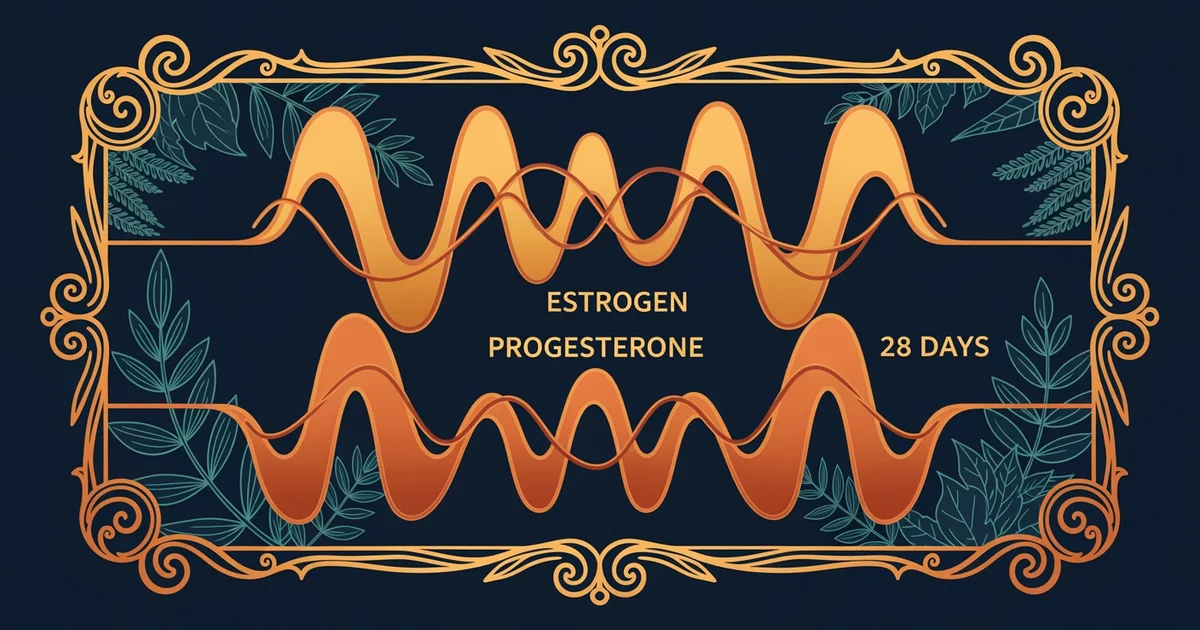
The Primary Chemical Messengers
The cycle relies on four main hormones that dictate how the body prepares itself for potential reproduction. These substances travel through the bloodstream to reach specific target organs, triggering precise reactions along the way. Think of these hormones as currency in an economic system where the body constantly trades energy for growth and maintenance. When the supply of these hormones fluctuates, the internal economy must adjust its spending to keep the system stable. This constant balancing act explains why the body feels different during various stages of the month.
Key term: Hormones — the chemical messengers produced by glands that travel through the blood to regulate specific body functions.
Each of these four players serves a unique role in maintaining the health and stability of the reproductive system. The following table highlights their primary roles and how they interact to drive the monthly rhythm forward:
| Hormone | Primary Responsibility | Key Timing | Effect on Body |
|---|---|---|---|
| FSH | Stimulates follicle growth | Early cycle | Egg maturation |
| Estrogen | Builds the uterine lining | Mid cycle | Tissue growth |
| LH | Triggers the egg release | Mid cycle | Ovulation start |
| Progesterone | Maintains the lining | Late cycle | System support |
Coordination of the Internal Rhythm
These hormones do not act in isolation, as their levels rise and fall in a tightly controlled sequence. A rise in one hormone often signals the next one to begin its work, creating a chain reaction. For instance, the growth of a follicle requires a steady supply of specific hormones to reach maturity. If the signals arrive at the wrong time, the entire production process encounters a delay, much like an assembly line stopping when a part arrives late. This delicate timing ensures that the body remains prepared for the complex tasks it performs each month.
When we look at the interaction of these players, we see how they influence the physical state of the individual. High levels of estrogen typically correlate with increased energy and positive mood states for many people. In contrast, the rise of progesterone often leads to a sense of calm or fatigue as the body prepares for the next phase. These shifts are not random occurrences but are the result of the body responding to the changing concentration of these chemical messengers. By recognizing these patterns, individuals can better understand the natural fluctuations in their own health and daily experiences.
Why does this matter for your long-term wellness? Learning how these hormones interact provides a window into the inner workings of your biology. It changes the way you view the signals your body sends during the month. You might start to notice how your energy levels align with the rise and fall of these four key messengers. This awareness is the first step toward managing your health with more confidence and clarity. As you continue your journey through this path, consider how these messengers might communicate with other systems in the body to maintain overall balance.
The four primary hormones act as a coordinated management team that regulates the monthly cycle by sending precise chemical signals to maintain biological balance.
Next, we will explore how these hormonal signals communicate with major organ systems to influence your overall physical health.
This content is educational only and does not constitute medical advice. Always consult a qualified healthcare professional for personal health decisions.