
Feedback Loop Dynamics
When a thermostat detects a room becoming too cold, it triggers the furnace to restore balance. This simple household mechanism mirrors how the body maintains internal stability through complex chemical signals.
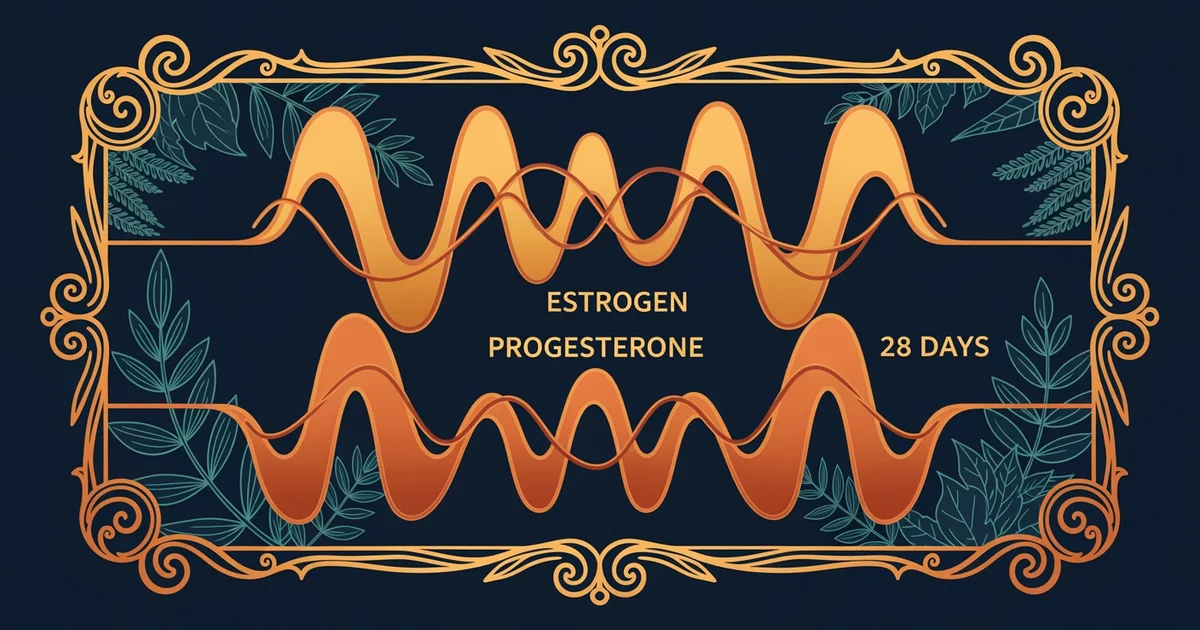
The Logic of Biological Regulation
The human body relies on constant communication between the brain and the reproductive system to manage monthly cycles. This internal conversation uses negative feedback to ensure that hormone levels stay within a healthy range for the body. When one gland releases a hormone, the target tissues respond by producing secondary signals that reach the brain. If the brain detects that these levels are now sufficient, it slows down the initial signal to prevent an overproduction of hormones. This process prevents the system from running wild, much like a cruise control system that adjusts the engine to maintain a steady speed on a road. Without this regulatory check, hormone levels would climb indefinitely, leading to significant disruption of normal bodily functions and overall health.
Mapping the Brain-Ovary Connection
Communication between the brain and the ovaries follows a precise path that repeats every month to support reproductive health. The hypothalamus acts as the command center, sending out signals that prompt the pituitary gland to release specific hormones. These hormones travel through the bloodstream to reach the ovaries, where they stimulate the development of follicles and the release of estrogen. As estrogen levels rise in the blood, the brain monitors this increase to determine if the current stage of the cycle is complete. This monitoring allows the body to transition smoothly between different phases without needing conscious effort or external intervention from the individual.
Key term: Homeostasis — the tendency of a biological system to maintain internal stability while adjusting to changing external conditions.
To visualize how these signals interact throughout the cycle, consider the following key components of the loop:
- The hypothalamus releases gonadotropin-releasing hormone to initiate the cascade of signals that prepare the reproductive system for potential pregnancy.
- The pituitary gland responds to the hypothalamus by secreting luteinizing hormone and follicle-stimulating hormone, which directly influence ovarian activity and development.
- The ovaries produce estrogen and progesterone, which signal back to the brain to adjust the rate of future hormone production.
This cycle ensures that the body does not overproduce hormones, keeping the system balanced and efficient. When estrogen levels rise high enough, the brain receives a signal that tells it to stop producing as much follicle-stimulating hormone. This specific interaction prevents the ovaries from maturing too many follicles at once, which could lead to complications. By balancing these signals, the body creates a predictable rhythm that defines the monthly hormonal experience for many individuals. This delicate dance requires constant adjustment, reflecting how the body prioritizes stability to keep all internal systems functioning in harmony.
| Signal Source | Primary Action | Effect on System |
|---|---|---|
| Hypothalamus | Sends pulses | Starts the loop |
| Pituitary | Secretes hormones | Stimulates ovaries |
| Ovaries | Releases estrogen | Provides feedback |
Understanding these dynamics helps explain why hormonal fluctuations feel consistent rather than chaotic. The body uses these feedback loops to manage energy, mood, and physical changes in a structured way. By studying these pathways, we gain insight into how small chemical shifts lead to large systemic outcomes. This knowledge helps us appreciate the complexity of our own biology as we move through daily life. Even though these processes happen below our awareness, they dictate the physical reality of the monthly cycle and its impact on our health.
Biological feedback loops function as self-regulating systems that use chemical signals to maintain hormonal balance throughout the monthly cycle.
But what does this constant internal adjustment look like when it directly influences daily energy levels?
This content is educational only and does not constitute medical advice. Always consult a qualified healthcare professional for personal health decisions.
Want this with sources you can check?
Premium Learning Paths for Medicine & Health Sciences are researched against open-access libraries — PubMed, arXiv, government databases, and more — with their distinctive claims cited to real sources and independently checked.
See what Premium includes