
Organ System Connections
Imagine a complex factory where the main office must send precise instructions to distant production rooms. If the office loses contact with those rooms, the entire operation grinds to a halt. The human body functions in a very similar way, with the brain acting as the head office that sends chemical signals to the ovaries. This delicate communication line ensures that physical systems remain synchronized throughout the month. Without these constant updates, the body would struggle to maintain the internal balance required for overall health.
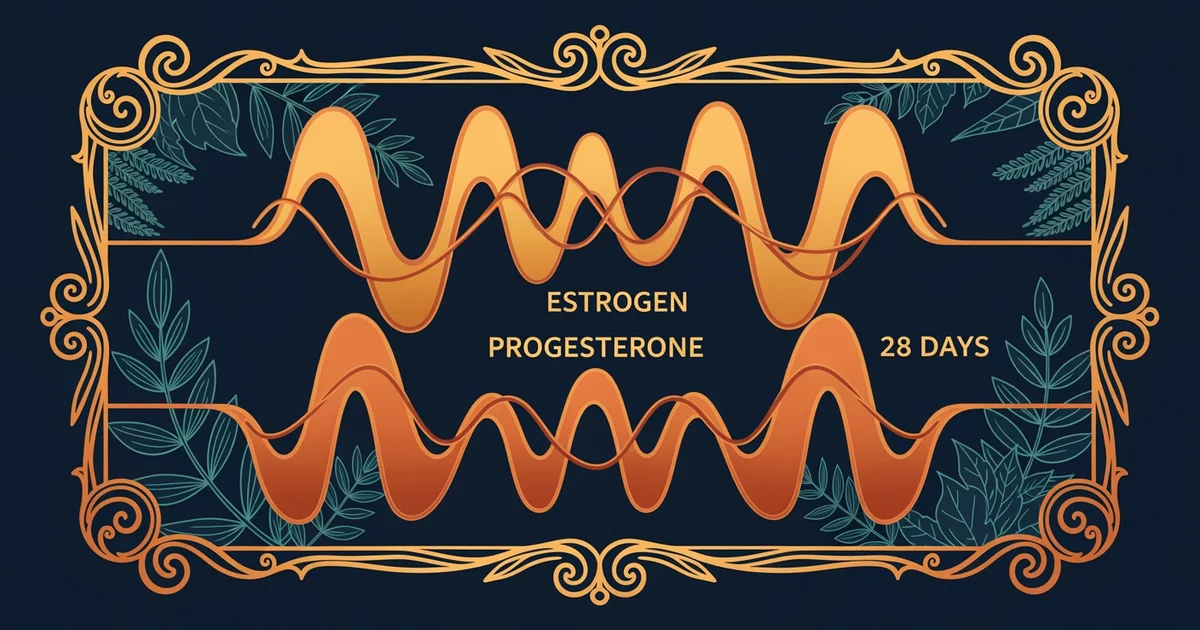
The Command Center and Peripheral Targets
The brain manages this process through a specialized region known as the hypothalamus. This area acts like a central computer, constantly monitoring the levels of circulating chemicals in the blood. When the system detects that change is necessary, the hypothalamus sends a message to the pituitary gland. This gland then releases its own signals to trigger activity in the ovaries. Think of this process like a thermostat in a house that monitors temperature to decide when to turn on the furnace. The brain reads the current state of the body and adjusts the hormonal output to keep everything running smoothly.
Key term: Feedback loop — a regulatory mechanism where the output of a system cycles back to influence future input.
This communication pathway involves several distinct steps that occur in a specific order. The brain does not simply send one message and wait for a result. Instead, it relies on a continuous stream of data to adjust the intensity of its signals. If the ovaries produce enough of a certain hormone, the brain detects this surplus and slows down its own messaging. This prevents the system from becoming overwhelmed by too much activity. It is a highly efficient way to manage resources without wasting energy on unnecessary production.
Understanding the Regulatory Pathway
To visualize how these systems interact, consider the primary components involved in this monthly cycle. Each part plays a specific role in ensuring the message reaches the correct destination at the right time.
- The hypothalamus initiates the process by releasing specialized proteins that travel to the pituitary gland.
- The pituitary gland responds by sending its own chemical messengers directly into the bloodstream.
- These messengers circulate until they reach the ovaries, where they bind to specific receptors.
- The ovaries respond by producing their own hormones, which then travel back to the brain.
This cycle ensures that the brain stays informed about the status of the reproductive system. If the ovaries are busy, the brain receives that information and pauses further instructions. This prevents the body from attempting to do too many things at once. It is a perfect example of biological efficiency, as the body only uses the energy it needs for each phase.
| Component | Primary Function | Signal Type | Target |
|---|---|---|---|
| Hypothalamus | Command Center | Chemical | Pituitary |
| Pituitary | Relay Station | Hormonal | Ovaries |
| Ovaries | Execution Site | Feedback | Brain |
Research indicates that this loop remains active throughout a person's life, though its sensitivity changes over time. When the brain and ovaries communicate effectively, individuals experience stable health and predictable cycles. Disruptions in this pathway can lead to noticeable changes in mood or physical energy levels. Because the brain is so sensitive to these signals, even minor fluctuations in hormone levels can cause significant shifts in how the body feels. Understanding this connection helps explain why the body responds to internal changes with such precision.
The brain and ovaries maintain a constant dialogue through a feedback loop that adjusts hormone production based on real-time physiological data.
The next step in this journey involves exploring the specific hormonal shifts that define the follicular phase.
This content is educational only and does not constitute medical advice. Always consult a qualified healthcare professional for personal health decisions.