
Lifestyle and Hormones
When a professional athlete prepares for a championship event, they carefully balance their energy intake to match the intensity of their training schedule. This deliberate approach to fuel ensures their body systems function at peak performance levels without crashing during critical moments of physical exertion. Much like an athlete managing their fuel, the human body relies on specific nutritional inputs to maintain the complex hormonal balance required for a healthy cycle. This process mirrors the economic principle of supply and demand, where the body acts as a market that must balance available resources against the high demand for hormonal production.
Nutrition and Hormonal Synthesis
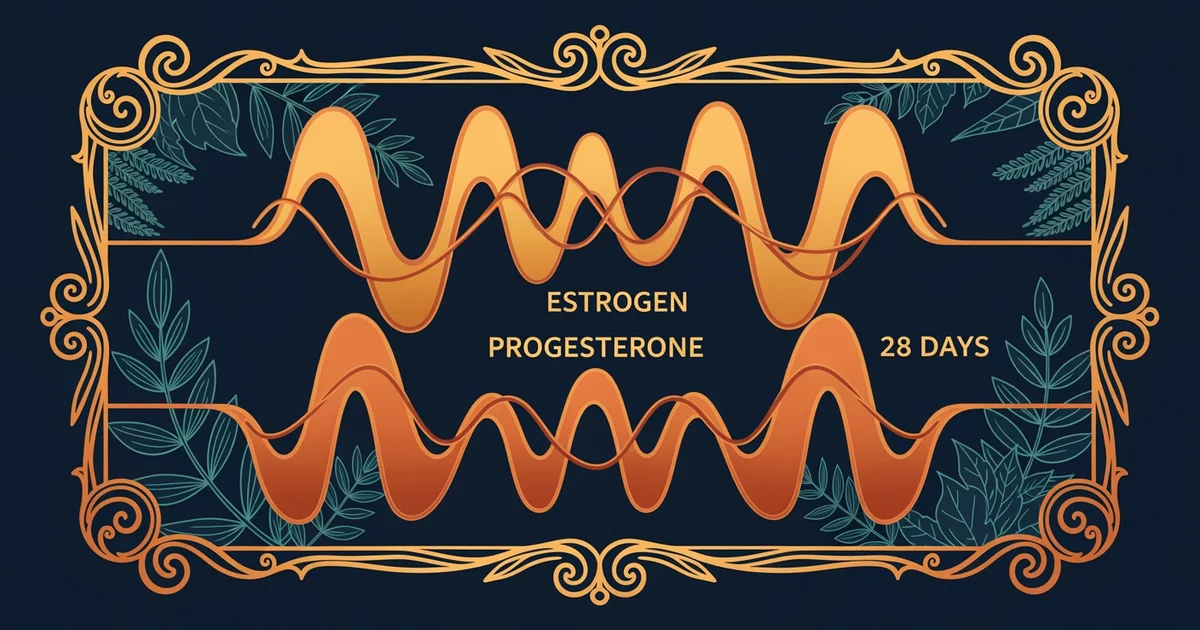
Because hormones are biochemical signals, the body needs specific building blocks to create them effectively throughout the month. Research suggests that consuming adequate healthy fats provides the raw materials necessary for synthesizing hormones like estrogen and progesterone. When individuals restrict these essential fats, the body may struggle to produce enough hormones to sustain a regular cycle. This is similar to a factory trying to build complex machinery without having enough steel or plastic on the loading dock. Without the right raw materials, the production line slows down, and the final output becomes inconsistent or entirely absent.
Key term: Micronutrients — essential vitamins and minerals that the body requires in small amounts to regulate hormonal production and maintain overall metabolic health.
Beyond fats, the body relies on a steady intake of complex carbohydrates to maintain stable blood sugar levels throughout the day. When blood sugar levels fluctuate rapidly, the body often releases cortisol to help stabilize energy, which can interfere with the delicate balance of reproductive hormones. This interaction is a clear example of the metabolic cross-talk discussed in Station 12, where stress signals prioritize immediate survival over reproductive functions. By choosing complex carbohydrates that digest slowly, individuals help the body maintain a calm internal environment that supports steady hormonal output.
Managing Energy Availability
Energy availability refers to the amount of energy remaining for bodily functions after accounting for the energy spent during physical activity. When energy availability remains consistently low, the body may enter a state of conservation to protect vital organs like the heart and brain. In this state, the body often scales back the production of non-essential hormones, which can lead to cycle irregularities or the complete cessation of menstruation. Maintaining a balance between caloric intake and physical output is essential for ensuring the endocrine system has enough resources to function optimally.
To understand how different food groups contribute to this balance, consider the following roles of key nutrients:
- Protein provides the amino acids needed to build and repair the tissues responsible for transporting hormones through the bloodstream to their target organs.
- Fiber helps the body process and eliminate excess hormones, which prevents the buildup of metabolites that could otherwise disrupt the natural cycle rhythm.
- Magnesium plays a critical role in calming the nervous system, which helps reduce the impact of stress hormones on the cycle during high-pressure periods.
These nutrients act as the infrastructure of the hormonal market, ensuring that the supply chain remains functional under various conditions. When one part of this infrastructure fails, the entire system experiences delays or errors in signal transmission. Ensuring a diverse intake of these nutrients creates a resilient environment where hormonal signals can travel without interference or degradation. Consistency in dietary habits allows the body to predict and prepare for its internal needs, which stabilizes the overall health of the cycle over time. By viewing nutrition as a foundational investment in bodily stability, individuals can better support their long-term health.
Nutritional choices serve as the primary fuel source for hormonal production, meaning that consistent intake of essential fats, proteins, and micronutrients is required to maintain a stable cycle.
But this model of resource management faces significant challenges when external stressors or chronic inflammation override the body's ability to process these nutrients efficiently.
This content is educational only and does not constitute medical advice. Always consult a qualified healthcare professional for personal health decisions.