
Tracking Cycle Data
When a small business owner logs daily sales to identify seasonal patterns, they gain the ability to predict future demand and adjust their inventory levels accordingly. Tracking hormonal cycles functions in a similar manner, as it allows individuals to map physical and emotional shifts against the predictable timeline of their internal biological clock. This is the application of data collection from Station 10 working in real conditions, where consistent observation turns abstract sensations into actionable health insights. By recording specific markers each day, people can distinguish between random fluctuations and meaningful patterns that repeat over time.
Methods for Effective Data Collection
To begin tracking effectively, one must select a consistent method that integrates easily into a daily routine. Digital applications provide automated calculations, while paper journals offer a tactile space for recording subjective feelings that apps might miss. Regardless of the format, the goal remains the same: capturing the relationship between hormonal phases and bodily responses. Consistency is essential because irregular entries make it difficult to identify the subtle signals that precede major cycle transitions. When tracking, individuals should focus on recording data at the same time each day to minimize the impact of external variables on their observations.
Key term: Cycle logging — the practice of recording daily physiological and emotional data to identify patterns within the hormonal rhythm.
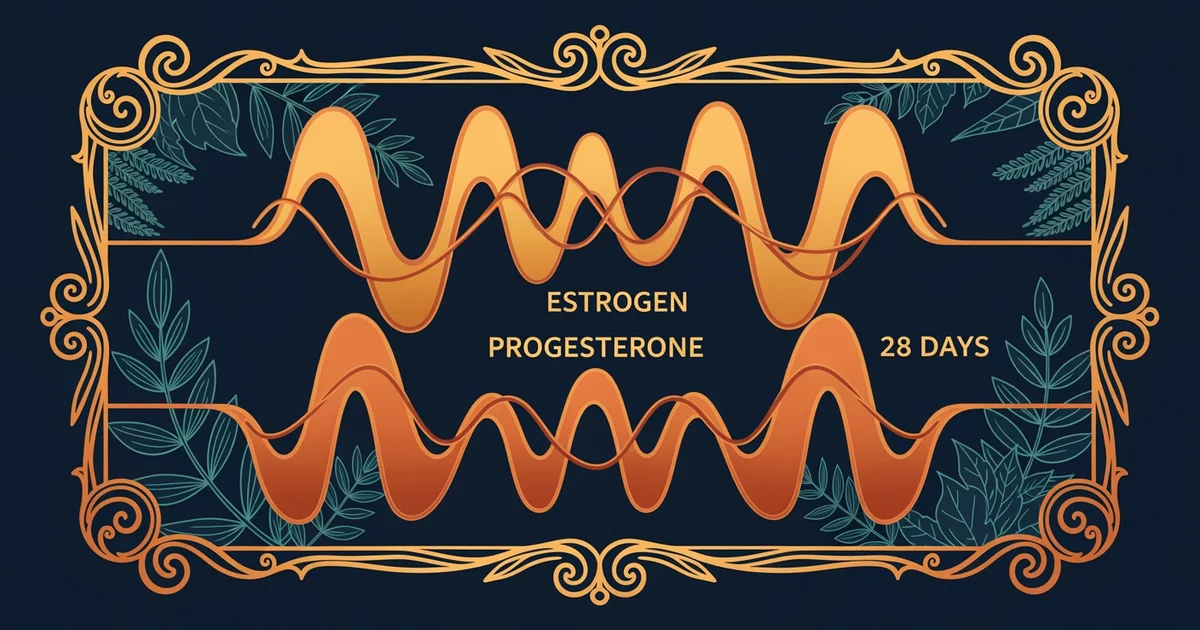
Tracking requires a focus on specific indicators that shift as hormone levels rise and fall throughout the month. These markers serve as the raw data points that eventually reveal the broader rhythm of the cycle. When individuals record these signs, they develop a clearer understanding of their own baseline health. This practice helps to remove the mystery behind sudden mood shifts or physical changes, transforming them into predictable events that align with biological expectations. Over several months, this data creates a personalized map that highlights how individual health fluctuates in response to internal signals.
Essential Indicators for Daily Observation
When observing cycle data, individuals should prioritize tracking a set of standardized markers to ensure the information remains useful for long-term comparison. A structured approach allows for the identification of trends that might otherwise go unnoticed during a busy week. The following list outlines the primary categories of data that provide the most insight into hormonal health:
- Energy levels track how much stamina is available during different phases, which helps identify when to schedule high-intensity tasks versus periods of rest and recovery.
- Basal body temperature provides a precise look at metabolic shifts, as subtle increases often indicate the transition between different hormonal states within the cycle.
- Emotional states capture the nuance of mood, allowing for the correlation of specific feelings with the rise or fall of key hormones like estrogen or progesterone.
- Physical symptoms record occurrences such as bloating or skin changes, which often follow a rhythmic pattern that can be anticipated with regular observation over time.
By comparing these indicators, people can see how their body behaves during different parts of the month. This comparison acts like a financial audit, where comparing expenses to income reveals the true state of a budget. When the data shows that low energy consistently happens before a specific phase, it allows for better planning and reduced stress. This proactive approach turns cycle tracking from a chore into a tool for self-awareness and improved daily management. It provides the evidence needed to make informed choices about lifestyle, diet, and rest schedules throughout the month.
Consistent documentation of daily physiological markers enables individuals to decode their unique hormonal rhythm and anticipate shifts in their overall well-being.
But this model breaks down when underlying health conditions or external stressors create irregular data that obscures the typical hormonal pattern. This content is educational only and does not constitute medical advice. Always consult a qualified healthcare professional for personal health decisions.