
Mood and Neurochemistry
A sudden shift in mood can feel like a surprise storm during an otherwise clear day. These internal changes often mirror the complex chemical dance happening within the human brain every month. Understanding how hormones move through the system helps clarify why people experience these shifts in their perspective. By looking at the connection between specific chemicals and the brain, we gain a better view of how the body maintains balance. This process is not about chaos but rather a highly regulated sequence of biological events.
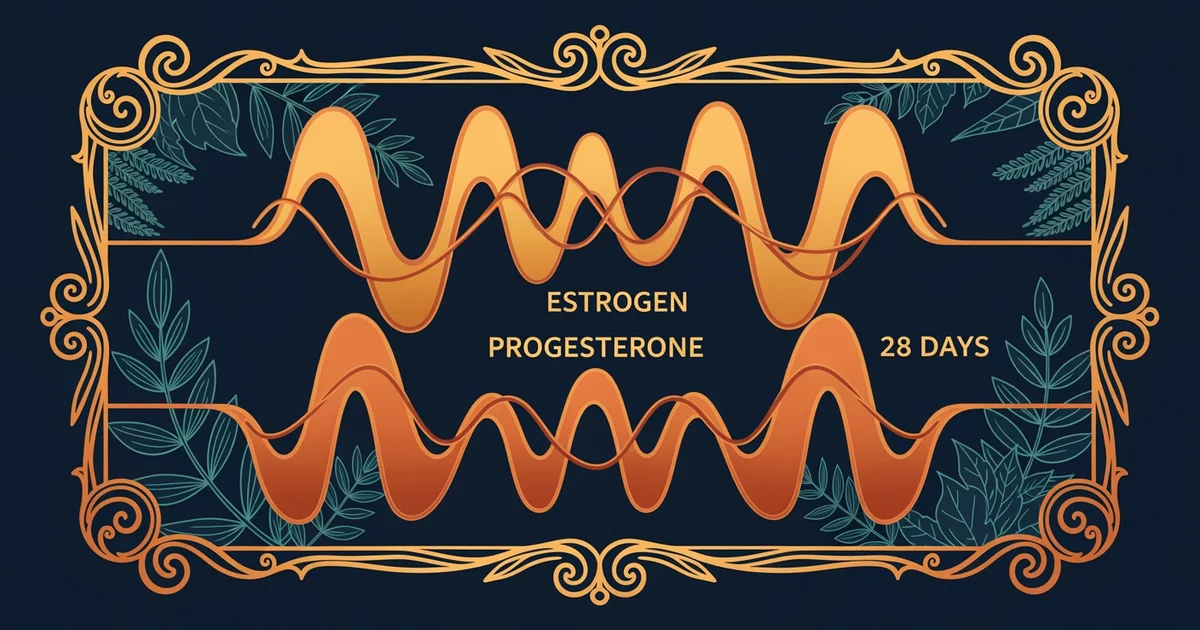
The Chemical Messengers of the Brain
Neurotransmitters act as the primary communication tools that allow the brain to process feelings and thoughts. When hormones like estrogen and progesterone fluctuate, they directly influence the production and availability of these chemical messengers. Think of the brain as a busy office building where neurotransmitters serve as the internal mail system. When the supply of these mail carriers changes, the speed and accuracy of the office communication also change. This shift explains why mental states often mirror the physical changes occurring in the body throughout the month.
Key term: Neurotransmitters — the specialized chemical messengers that transmit signals across the gaps between nerve cells in the brain.
Research suggests that estrogen plays a central role in how the brain manages its mood-regulating chemicals. When estrogen levels are high, the brain typically produces more serotonin, which is a chemical linked to feelings of well-being. If estrogen levels drop, the availability of serotonin often decreases as well. This reduction can lead to changes in how individuals process stress or perceive their surroundings. The relationship between these two substances shows how closely the endocrine system and the nervous system work together to manage daily stability.
Tracking the Influence of Estrogen
The impact of estrogen on the brain involves several distinct processes that keep the mind functioning in a healthy state. These interactions ensure that the brain can adapt to the changing environment while managing energy and focus. The following list explains how estrogen interacts with the brain to influence these vital functions:
- Estrogen enhances the sensitivity of receptors that receive chemical signals, which allows the brain to process information with greater speed.
- The hormone promotes the growth of new connections between neurons, which helps maintain the structural health of the brain over time.
- Estrogen regulates the breakdown of chemicals like serotonin, which ensures that these mood-stabilizing agents remain active in the system for longer periods.
These actions demonstrate that hormones are not just passive observers but active participants in the maintenance of mental health. By supporting the pathways that carry chemical signals, estrogen helps keep the brain in a state of relative equilibrium. When these levels shift, the brain must adjust its internal operations to account for the change in supply. This is a normal part of the physiological cycle that ensures the body remains responsive to its internal environment.
| Process | Function | Impact on Mood |
|---|---|---|
| Receptor Sensitivity | Improves signal reception | Increases emotional stability |
| Synaptic Growth | Builds new connections | Enhances cognitive flexibility |
| Serotonin Regulation | Extends chemical life | Promotes positive feelings |
Understanding these mechanisms provides a clearer picture of why mental states are not static. The brain is constantly responding to the chemical signals sent by the endocrine system. As these signals change, the brain adapts its output to match the new conditions. This continuous cycle ensures that the body can handle the demands of its environment effectively. By recognizing these patterns, individuals can better understand the biological basis for their changing feelings throughout the monthly cycle.
This content is educational only and does not constitute medical advice. Always consult a qualified healthcare professional for personal health decisions.
The brain uses hormones to adjust the supply of mood-regulating chemicals, creating a dynamic internal environment that changes throughout the monthly cycle.
But what does it look like in practice when we start recording these changes in our daily lives?