
Future Research Directions
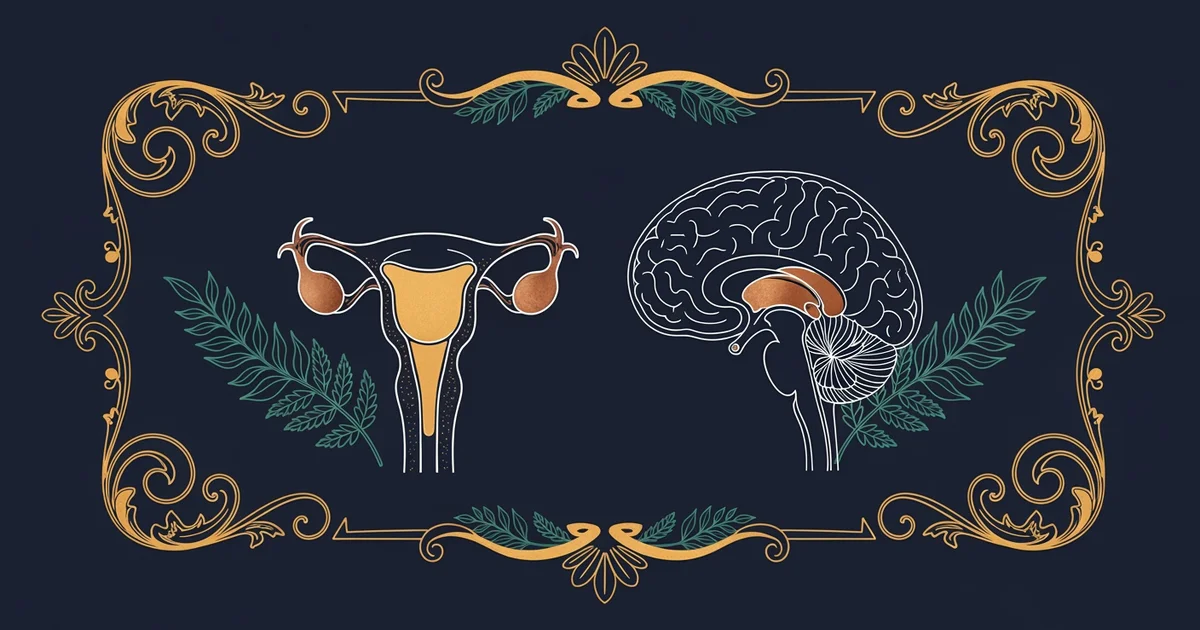
Researchers currently face a significant puzzle regarding how the body adapts to the end of reproductive cycles. While many people view this transition as a simple decline in hormone levels, the biological reality involves complex shifts across multiple organ systems. Scientists are now moving beyond basic hormone replacement to examine how cellular aging influences long-term health outcomes for aging individuals. This shift represents a major change in how medical experts study the life cycle. By focusing on molecular pathways instead of just symptoms, researchers hope to unlock new ways to support healthy aging. Understanding these mechanisms requires looking at the body as a dynamic system rather than a series of isolated parts.
Future Directions in Molecular Research
Recent scientific investigations focus on how specific proteins interact with the hormonal environment during the midlife transition. When researchers study these interactions, they often compare the biological process to a complex banking system that must reallocate limited assets after a sudden market shift. Just as a bank must adjust its investments when capital flows change, the human body must recalibrate its internal chemical signaling once reproductive hormones decrease. This analogy highlights the necessity of finding new ways to stabilize metabolic function during this period of change. Future studies will likely prioritize how these internal shifts impact bone density and cardiovascular health over several decades.
Key term: Epigenetics — the study of how environmental factors and behaviors change the way genes function without altering the underlying DNA sequence.
One primary area of interest involves how lifestyle choices influence gene expression during the transition. By examining these patterns, scientists aim to create personalized health strategies that address individual needs rather than general population averages. This approach moves away from one-size-fits-all medical advice. Instead, it seeks to provide tailored insights based on a person’s unique biological markers. These markers act as a compass for medical professionals, pointing toward specific interventions that might improve quality of life. The field is currently exploring three main avenues for future breakthroughs:
- Genomic analysis helps identify which individuals might face higher risks for specific health conditions, allowing for early and targeted lifestyle adjustments that support long-term wellness.
- Metabolic monitoring provides real-time data on how the body processes energy, helping researchers understand why certain individuals maintain high energy levels while others struggle with fatigue.
- Cellular repair studies investigate how specific nutrients might slow down the natural aging of tissues, potentially offering new ways to maintain physical strength and mental clarity.
Integrating Digital Health and Data
Beyond molecular research, the integration of digital technology offers a new lens for observing these biological changes in real time. Mobile health devices now allow researchers to collect vast amounts of data without requiring frequent clinical visits. This constant stream of information helps identify patterns that were previously invisible to medical professionals. By analyzing this data, scientists can see how sleep, activity, and nutrition interact with changing hormone levels. This holistic view is essential for developing comprehensive support systems that address the multifaceted nature of this transition. The following table summarizes how different data sources contribute to our current understanding of these physiological shifts.
| Data Source | Type of Information | Contribution to Science |
|---|---|---|
| Wearable Devices | Daily activity levels | Tracks metabolic health |
| Blood Markers | Hormone fluctuations | Maps biological timing |
| Digital Logs | Symptom frequency | Identifies temporal trends |
As research continues to evolve, the focus remains on bridging the gap between basic biological science and practical health applications. By combining genomic data with lifestyle tracking, the field is moving toward a future where health transitions are managed with precision. This progress relies on the continued cooperation of researchers who study both the microscopic and the systemic aspects of the human experience. As we look ahead, the goal remains to ensure that the later stages of life are marked by vitality and sustained health rather than just the absence of disease.
Future research will likely shift from managing individual symptoms to optimizing entire biological systems through personalized genomic and metabolic data.
Understanding the complex transition of menopause requires viewing the human body as a dynamic, interconnected system that demands personalized care rather than standardized medical interventions.