
Perimenopause Dynamics
Imagine a bank account that suddenly stops receiving regular deposits, forcing the owner to manage a dwindling balance while expenses remain constant. This financial metaphor perfectly captures the biological state of perimenopause, where the body experiences erratic shifts in hormone production before reaching the final end of reproductive cycles. While many people confuse this phase with menopause itself, the two stages represent distinct milestones in a person's life journey. Understanding these fluctuations helps individuals navigate the physical changes that naturally occur during this transitional period of the human lifespan.
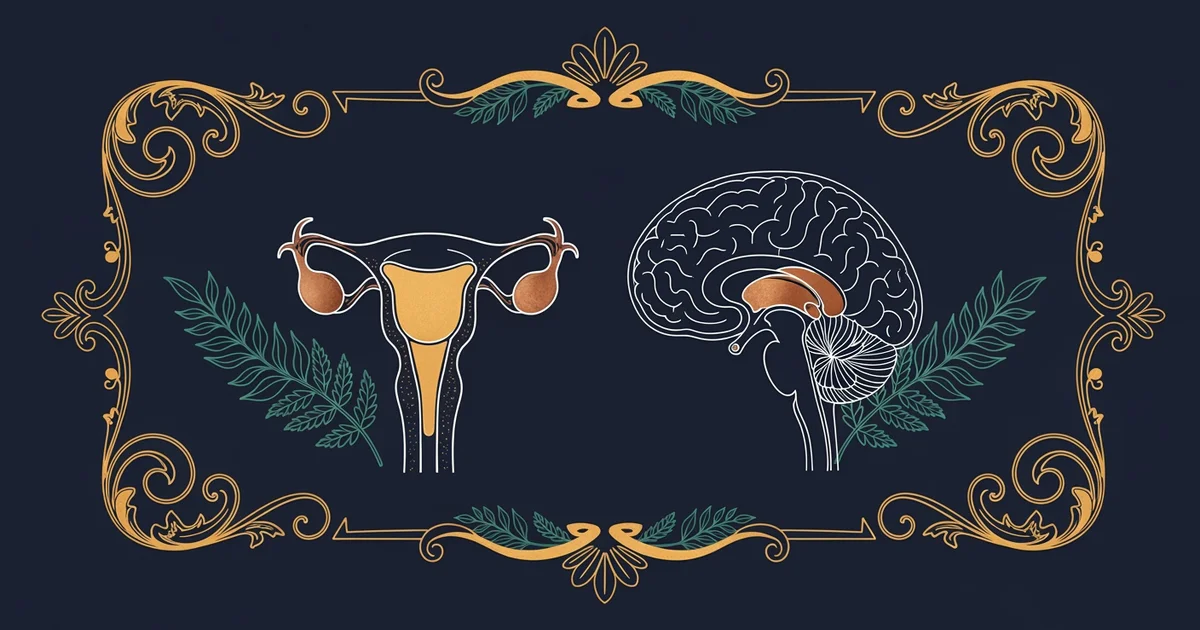
Understanding Hormonal Volatility
During the transition known as perimenopause, the ovaries begin to produce estrogen and progesterone in unpredictable, fluctuating patterns. These hormones act like the primary regulators of the menstrual cycle, ensuring that the body maintains a steady rhythm for ovulation and uterine health. When these levels become erratic, the body struggles to maintain its normal equilibrium, leading to various physical sensations. Research suggests that these spikes and drops in hormone levels are not linear, meaning they can change from month to month without warning. This volatility creates a unique biological environment where the body must constantly adapt to inconsistent chemical signals.
Key term: Perimenopause — the transitional phase leading up to menopause marked by irregular hormonal fluctuations and changing menstrual patterns.
Because the ovaries are becoming less responsive to signals from the brain, they often release hormones in bursts rather than steady streams. Think of this like a flickering light bulb that struggles to maintain a constant glow because the electrical current is inconsistent. The brain continues to send requests for hormonal output, but the ovaries provide an irregular response. This mismatch between demand and supply is the root cause of the physical symptoms often reported during this time. As the body attempts to compensate for these gaps, individuals may notice changes in their sleep, mood, and overall energy levels.
Comparing Transition Stages
It is essential to differentiate between the active transition and the final state of reproductive cessation. The following table highlights the primary differences between these two distinct biological phases of life:
| Feature | Perimenopause | Menopause |
|---|---|---|
| Hormone Levels | Unpredictable and erratic | Consistently low levels |
| Menstrual Cycle | Irregular and changing | Completely absent for year |
| Physical State | Transitioning and active | Stable post-transition |
This table illustrates that perimenopause is a dynamic, shifting process, whereas menopause is a fixed point in time. During perimenopause, the body is actively working through the final stages of its reproductive capacity. In contrast, menopause is defined as the point when twelve consecutive months have passed without a menstrual cycle. Recognizing this difference is crucial for those seeking to understand their own health trajectories. By observing these changes, individuals can better prepare for the long-term adjustments that follow this active period of hormonal recalibration.
Research indicates that the duration of this transition varies widely among different people, often lasting several years before the final stage is reached. During these years, the body learns to function with lower baseline levels of hormones, gradually transitioning into a new state of stability. This process is not a sudden switch but rather a slow, gradual decline that allows the body to adapt to its changing internal environment. While the symptoms can be disruptive, they are a normal part of the aging process that most people will eventually navigate. Scientific evidence shows that tracking these changes can help individuals identify patterns and manage their health effectively throughout the entire transition.
Perimenopause functions as an unpredictable, transitional phase of hormonal fluctuation that precedes the permanent cessation of reproductive cycles.
The next Station introduces the hypothalamic connection, which determines how the brain regulates these hormonal shifts.
This content is educational only and does not constitute medical advice. Always consult a qualified healthcare professional for personal health decisions.