
Metabolic Shifts
A person might notice their usual energy levels shifting during the middle years of life. This change often feels like a sudden drop in fuel efficiency for the human body. Understanding these shifts requires looking at how internal systems manage energy intake versus expenditure. The transition known as menopause brings complex changes to how the body processes food and maintains its internal heat. These adjustments are not just about age but reflect deeper changes in hormonal signals. Research indicates that the body undergoes a significant recalibration during this period of life.
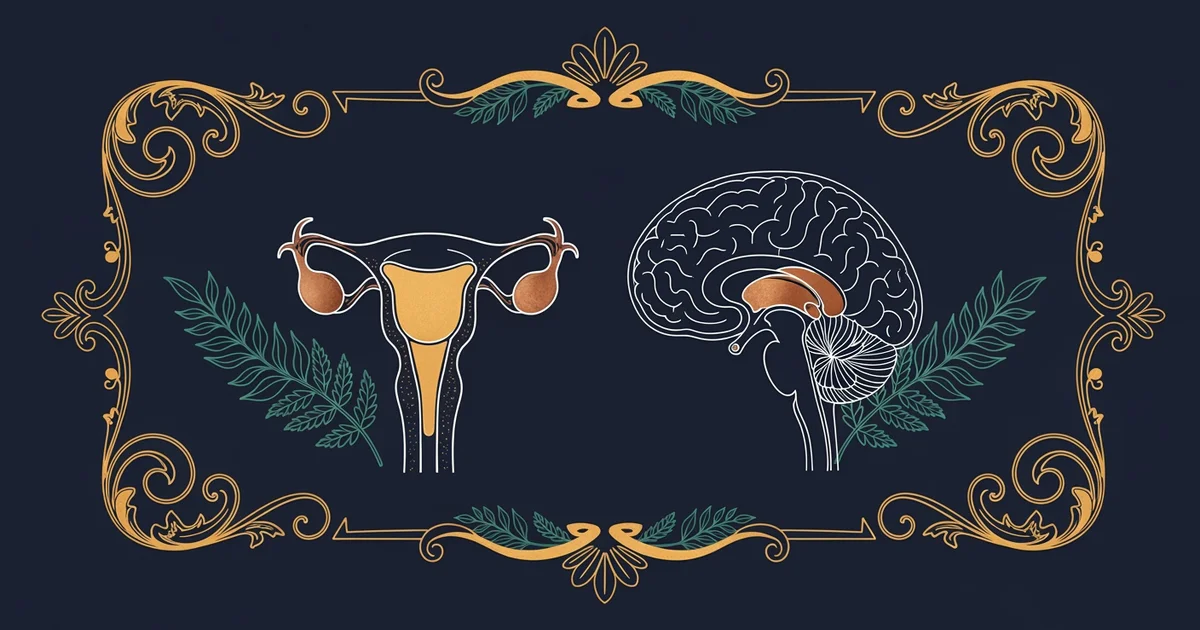
The Mechanism of Metabolic Efficiency
When hormone levels drop, the body changes how it burns energy to keep basic functions running. This process is similar to a business that must reduce its overhead costs to stay profitable when revenue streams decrease. The body essentially shifts its budget to prioritize vital organs over muscle maintenance. This change often leads to a slower resting rate for burning calories throughout the day. Individuals might find that their previous habits no longer produce the same results for their physical composition. The body becomes more conservative with its energy stores to ensure survival during this biological transition.
Key term: Metabolism — the set of life-sustaining chemical processes that convert food and drink into the energy required for body functions.
Energy management during this phase relies on several key factors that influence how quickly the body uses its available fuel sources:
- Basal metabolic rate determines the number of calories required to maintain basic life functions while the body is at complete rest.
- Thermogenesis represents the energy the body spends to digest food and maintain a steady internal temperature during daily activities.
- Physical activity levels account for the remaining energy expenditure that fluctuates based on movement, exercise, and active lifestyle choices.
Each factor plays a specific role in how the body maintains balance while navigating these internal shifts. When one factor changes, the others must adjust to compensate for the difference in available energy.
Factors Influencing Energy Balance
Evidence shows that the loss of certain hormones directly impacts how cells react to insulin and sugar. This shift can change where the body stores energy and how easily it can access those reserves later. The following table illustrates how different components of energy expenditure interact during the transition period:
| Component | Primary Function | Impact During Transition |
|---|---|---|
| Muscle Mass | Energy burning | Tends to decrease |
| Hormone Signals | Metabolic regulation | Become less efficient |
| Fat Distribution | Energy storage | Shifts to abdominal area |
This redistribution of energy stores is a common observation in health studies focusing on this life stage. The body is not simply gaining weight but is actively changing its strategy for storing fuel. This process involves complex signals between the brain and digestive system that become less predictable over time. Because the body is seeking a new state of equilibrium, these changes are considered a normal part of the process.
Understanding these metabolic shifts provides clarity on why energy levels might feel inconsistent for many individuals. The body is essentially learning to operate with a different set of instructions for managing its internal fuel supply. This recalibration period requires patience as the systems find their new normal operating range. By recognizing these patterns, people can better support their physical health throughout the transition. The focus remains on maintaining balance through consistent habits that align with these new biological requirements.
Metabolic shifts during menopause represent a strategic biological recalibration that changes how the body stores and uses energy to maintain essential functions.
The next Station introduces neuroendocrine feedback loops, which determine how hormone signals influence the brain and overall systemic balance.
This content is educational only and does not constitute medical advice. Always consult a qualified healthcare professional for personal health decisions.