
Ovarian Reserve Basics
Imagine a bank account that starts with a set amount of currency at birth, but you can never make a new deposit. Every single day, the balance drops as you spend small amounts, and once the account hits zero, the ability to withdraw funds ends completely. This biological reality defines the human reproductive timeline, as individuals are born with a finite number of potential eggs stored within their bodies. Understanding how this system functions provides a clear window into the natural aging process of the human reproductive cycle.
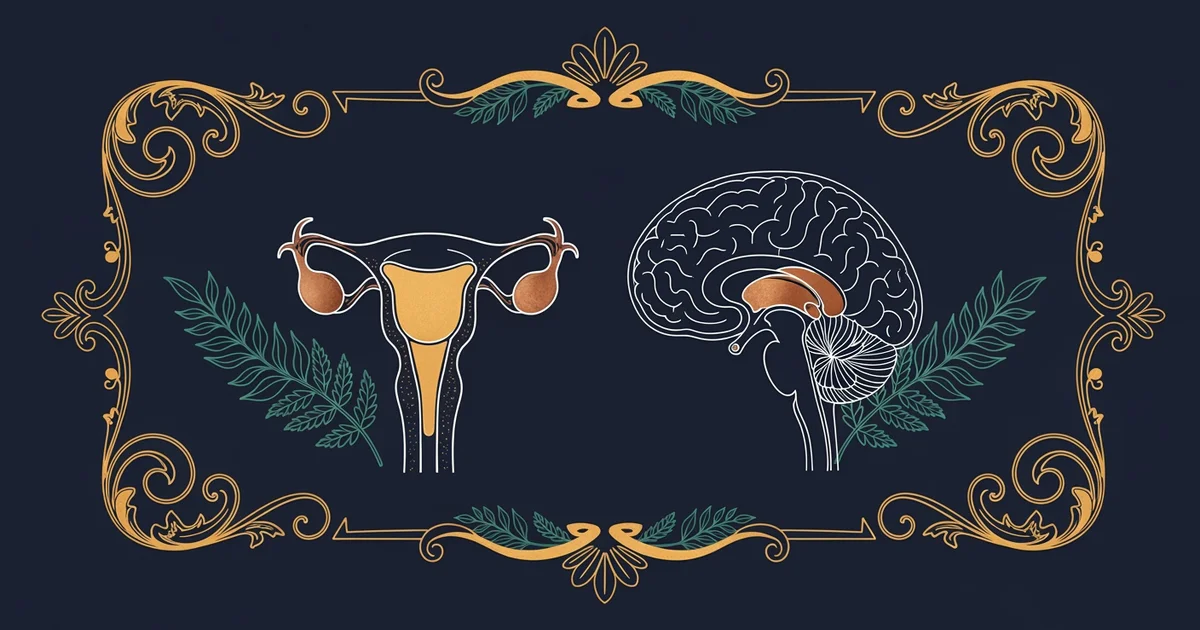
The Mechanics of Ovarian Follicles
Inside the ovaries, these tiny structures known as ovarian follicles serve as the protective housing for immature eggs. At birth, the ovaries contain a massive supply of these follicles, which have developed during fetal growth. As the body matures into adolescence and adulthood, the number of these follicles begins to decline through a steady, non-stop process. This happens regardless of whether someone is actively trying to conceive or using hormonal birth control methods. The body manages this supply through a constant state of attrition that continues throughout the entire lifespan until the supply is exhausted.
Key term: Ovarian follicles — the fluid-filled sacs within the ovaries that each contain a single immature egg cell.
Research suggests that the rate of this decline is not linear, as the loss of follicles accelerates significantly as individuals approach their late thirties. While the body starts with millions of these potential units, only a small fraction will ever reach full maturity or be released during a cycle. The remaining follicles simply disappear through a natural process of cellular breakdown. This constant reduction is why the biological capacity for reproduction changes over time, as the total count of available eggs is strictly limited by the initial endowment provided before birth.
Tracking the Decline Over Time
To understand the scale of this biological bank account, we can look at how the numbers shift across different stages of life. The following table outlines the estimated reduction of these structures from the time of birth through the later stages of the reproductive years.
| Life Stage | Estimated Follicle Count | Status of Reserve |
|---|---|---|
| At Birth | One to two million | Maximum capacity |
| At Puberty | Three hundred thousand | Significant decline |
| Age Thirty | Fifty thousand | Rapid reduction |
| Age Forty | Ten thousand | Approaching depletion |
This table highlights the stark reality of the natural reduction in the ovarian reserve. By the time someone reaches their early forties, the vast majority of the original supply has been depleted. This is not due to any external lifestyle choice, but rather the internal clock that governs the reproductive system. Each month, the body recruits a group of follicles, but only one usually matures while the others are lost to the process of natural cell death. This systemic loss is the primary driver behind the changing reproductive potential observed as individuals age.
When we consider the transition toward menopause, we must recognize that this process is the final outcome of the long-term depletion of these resources. The body does not suddenly stop producing eggs; rather, it runs out of the follicles that are capable of responding to hormonal signals. Once the reserve reaches a critical low point, the hormonal feedback loop that drives the monthly cycle can no longer function in the same way. This shift marks the end of the reproductive phase and the beginning of the transition into the next chapter of hormonal health.
The total number of potential eggs is determined at birth and decreases steadily through a natural process of attrition until the supply is exhausted.
Next, we will explore how this diminishing reserve influences the hormonal signals that characterize the transition into perimenopause.
This content is educational only and does not constitute medical advice. Always consult a qualified healthcare professional for personal health decisions.