
Defining the Menopause Transition
Imagine a long-running factory that slowly winds down its production lines until the final assembly process shuts off completely. This biological shift represents the transition known as menopause, a natural event that marks the end of reproductive years for many people. While the process seems sudden, it actually functions as a gradual closing of a complex internal system. Understanding this transition helps individuals prepare for the physical changes that occur during this significant life stage.
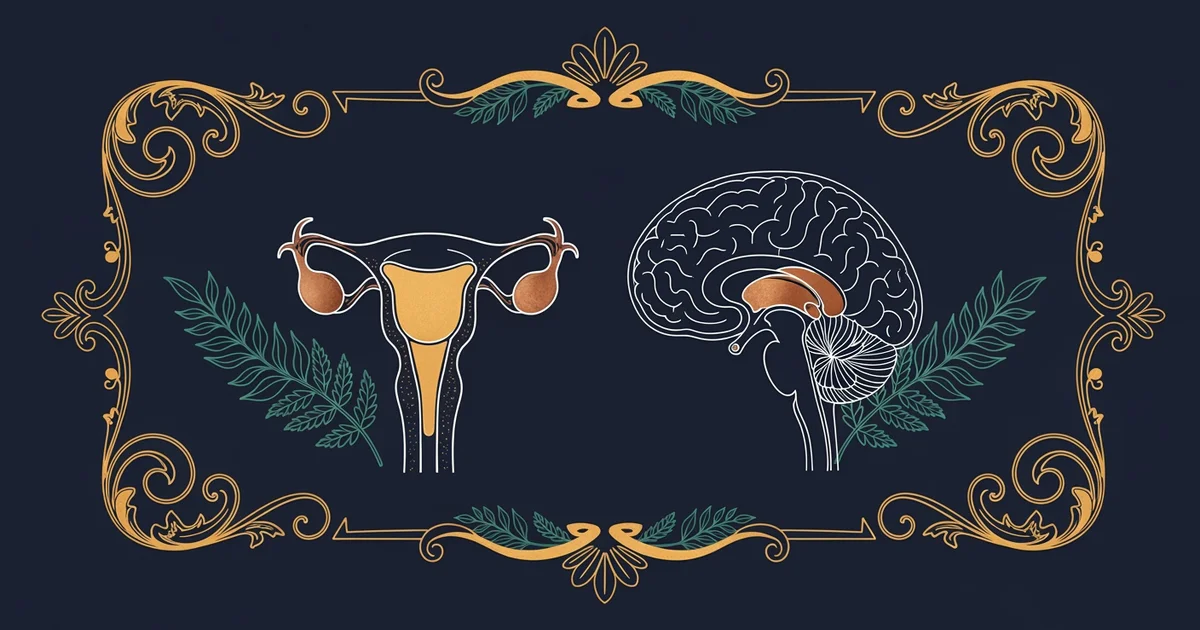
The Biological Transition Process
Menopause serves as a definitive marker in human health that signals the conclusion of the menstrual cycle. This transition does not happen overnight, as the body requires time to adjust to shifting internal signals. Instead, the process unfolds over several years through a phase often called the perimenopause. During this time, the ovaries gradually reduce the output of specific hormones that regulate the monthly cycle. Think of this process like a dimmer switch on a light rather than a simple on-off button. The light does not vanish instantly; it slowly fades until the room eventually reaches a state of darkness. This gradual dimming allows the body to adapt to lower levels of chemical messengers over a long period.
Key term: Perimenopause — the transitional period leading up to menopause when hormone production from the ovaries begins to decline significantly.
Clinical definitions rely on a specific timeline to confirm that an individual has reached this stage of life. Medical professionals identify the onset of menopause only after twelve consecutive months without a menstrual period. This specific timeframe provides a clear objective measurement for clinicians to confirm the transition is complete. Before this twelve-month window finishes, the body remains in the transitional phase where cycle patterns may become irregular or unpredictable. The following table highlights the differences between these stages of the reproductive lifespan.
| Stage | Menstrual Pattern | Hormone Activity | Clinical Status |
|---|---|---|---|
| Reproductive | Regular cycles | Peak production | Active |
| Perimenopause | Often irregular | Gradual decline | Transitioning |
| Post-menopause | Absent cycles | Stable low level | Completed |
Defining the Life Stage
Recognizing the distinction between these stages is important for understanding overall health outcomes throughout the aging process. The transition involves more than just the end of a cycle, as it affects various systems in the body. Research indicates that the reduction in hormone output influences bone density, mood stability, and cardiovascular health. Many people experience common symptoms during the transition, which result from the body reacting to these changing chemical levels. Common experiences during this period include:
• Temperature regulation shifts, which occur because the brain struggles to interpret the new hormonal environment correctly.
• Sleep pattern disruptions, which arise as the body adjusts to the lack of consistent signals that previously supported rest.
• Mood fluctuations, which happen because the nervous system is sensitive to the changing levels of internal chemical messengers.
By focusing on these markers, individuals gain a better understanding of how their bodies navigate this complex biological phase. This knowledge provides a foundation for making informed decisions about personal health and wellness as the transition progresses. Understanding that this is a normal part of the human aging process helps reduce uncertainty for many individuals. This path will provide you with the essential knowledge needed to manage health during this transition and beyond.
This content is educational only and does not constitute medical advice. Always consult a qualified healthcare professional for personal health decisions.
The menopause transition is a natural, multi-year biological process defined by a permanent cessation of menstrual cycles after a full year of absence.
The next step in this path explores the specific hormonal foundations that drive these systemic changes.
This content is educational only and does not constitute medical advice. Always consult a qualified healthcare professional for personal health decisions.