
Neuroendocrine Feedback Loops
When a thermostat detects a drop in room temperature, it triggers the furnace to restore balance. Biological systems inside the human body rely on a similar mechanism to maintain hormonal stability throughout life.
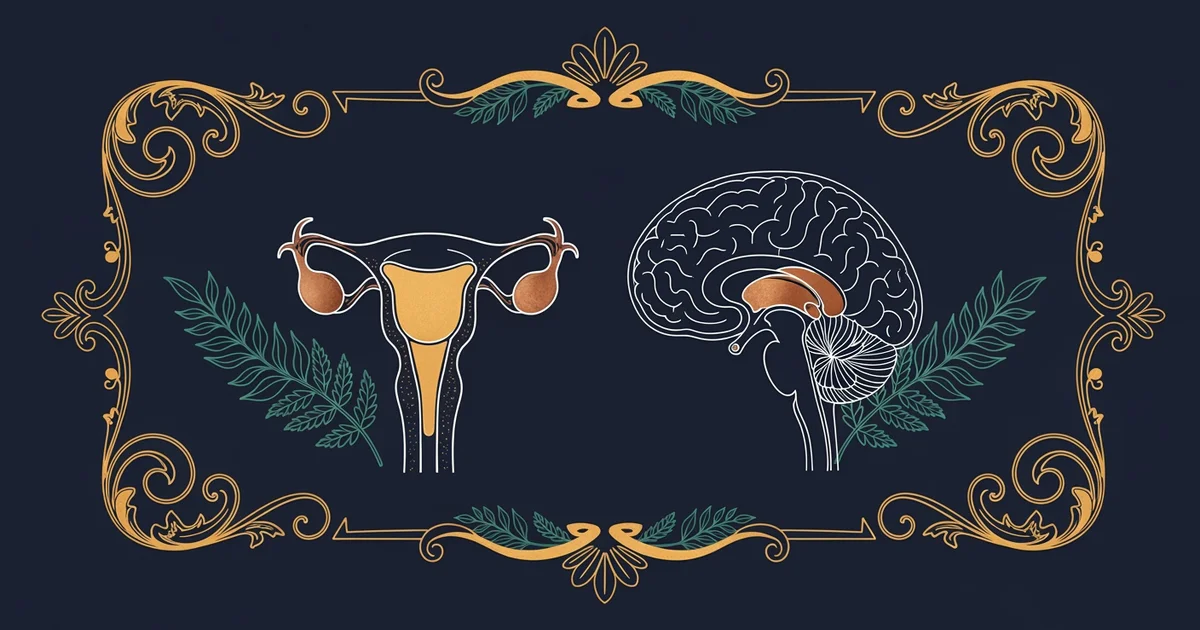
Understanding the Hypothalamic-Pituitary-Ovarian Axis
The endocrine system functions through a series of complex communication loops that connect the brain to the ovaries. The hypothalamus acts as the command center, sending chemical signals to the pituitary gland located at the base of the skull. This gland then releases specific hormones into the bloodstream that travel to the ovaries to stimulate egg development. When these hormone levels reach a certain threshold, the brain receives feedback to slow down production. This process functions like a corporate budget cycle where the headquarters adjusts funding based on the department output. Without this constant loop of information, the body would struggle to regulate the delicate timing required for reproductive health.
Key term: Neuroendocrine feedback loop — a regulatory system where the brain and glands exchange chemical signals to maintain homeostatic hormone levels.
Research suggests that these feedback mechanisms become less efficient during the transition toward menopause. As the ovaries respond less effectively to signals from the pituitary gland, the brain attempts to compensate by increasing the intensity of its messages. Imagine a manager shouting instructions louder because the employee on the other end is not hearing the request clearly. This increased volume of signals creates a state of hormonal flux that characterizes the years leading up to the final cessation of cycles. The body remains in a constant state of adjustment as it attempts to find a new equilibrium within this changing communication network.
Analyzing Hormonal Signal Dynamics
The interaction between these organs involves several key components that work in tandem to keep the system running smoothly. Each hormone carries a specific instruction that tells the target tissue whether to accelerate activity or conserve energy for later use. When the system functions correctly, the feedback loop ensures that no single hormone overwhelms the body's internal environment. The following table outlines how these primary signals interact within the neuroendocrine framework to maintain balance:
| Hormone | Source | Primary Function | Feedback Effect |
|---|---|---|---|
| GnRH | Hypothalamus | Initiates the cycle | Stimulates pituitary |
| FSH | Pituitary | Triggers egg growth | Inhibits hypothalamus |
| Estrogen | Ovaries | Regulates tissue health | Modulates pituitary |
These chemical messengers rely on precise timing to ensure that every organ receives the necessary instructions. If the ovaries stop responding to follicle-stimulating hormone, the pituitary gland often continues to release higher amounts in a failed attempt to trigger a response. This persistent signaling contributes to the irregular patterns that individuals often experience during the midlife transition. Studies indicate that the hypothalamus must eventually recalibrate its expectations to match the reduced output from the ovaries. This process requires significant biological energy and time to reach a stable state of rest.
Understanding these mechanics provides insight into why the body experiences such noticeable shifts during this transition. The brain is not failing; it is attempting to navigate a changing landscape by adjusting its internal dial. While the process often feels disruptive, it represents the natural resolution of a long-standing biological partnership between the brain and the reproductive organs. By recognizing the role of these feedback loops, one can better appreciate the complex coordination required to navigate hormonal changes. The system eventually transitions into a new, quieter phase once the feedback loops stabilize at lower baseline levels.
The body maintains hormonal balance through a continuous feedback loop where the brain adjusts its chemical signals based on the output levels received from the ovaries.
But what does it look like in practice when these systems begin to impact other bodily functions?
This content is educational only and does not constitute medical advice. Always consult a qualified healthcare professional for personal health decisions.
Want this with sources you can check?
Premium Learning Paths for Medicine & Health Sciences are researched against open-access libraries — PubMed, arXiv, government databases, and more — with their distinctive claims cited to real sources and independently checked.
See what Premium includes