
Hormonal Foundations
Imagine a bustling city that relies on a complex power grid to keep every single building functioning perfectly. When the energy supply remains steady, the city operates with efficiency and predictability throughout the day and night. If the main power station suddenly begins to lower its output, however, the entire urban landscape experiences subtle shifts in performance and stability. This scenario mirrors the human body, where chemical messengers act as the power grid to maintain balance across all internal systems. Understanding these messengers provides a clear view of how the body manages transitions over time.
The Role of Chemical Messengers
Biological life depends on estrogen, a group of steroid compounds that function as primary signaling molecules within the body. These molecules travel through the bloodstream to reach various target tissues, where they trigger specific cellular responses that support growth and maintenance. Research suggests that these compounds influence bone density, skin elasticity, and cardiovascular health by binding to specialized receptors. Think of these receptors as individual locks on a door, while the hormones act as the specific keys designed to open them. Without these keys, the biological processes they regulate would struggle to initiate, leading to noticeable changes in how the body maintains its internal environment.
While one hormone provides the signal for growth, another acts as the stabilizing force that ensures balance and rhythm. Progesterone functions as a vital partner to its counterpart, working to prepare the body for specific cycles and maintaining structural health. It exerts a calming influence on the nervous system, which helps regulate mood and sleep patterns for many individuals. When these two molecules exist in a balanced ratio, the body maintains a predictable rhythm that supports overall wellness. If the production of these messengers declines, the body must adapt to a new state of operation, which explains why the transition into menopause often feels like a significant shift in daily vitality.
Key term: Homeostasis — the process by which biological systems maintain internal stability while adjusting to changing external conditions.
Balancing the Internal Environment
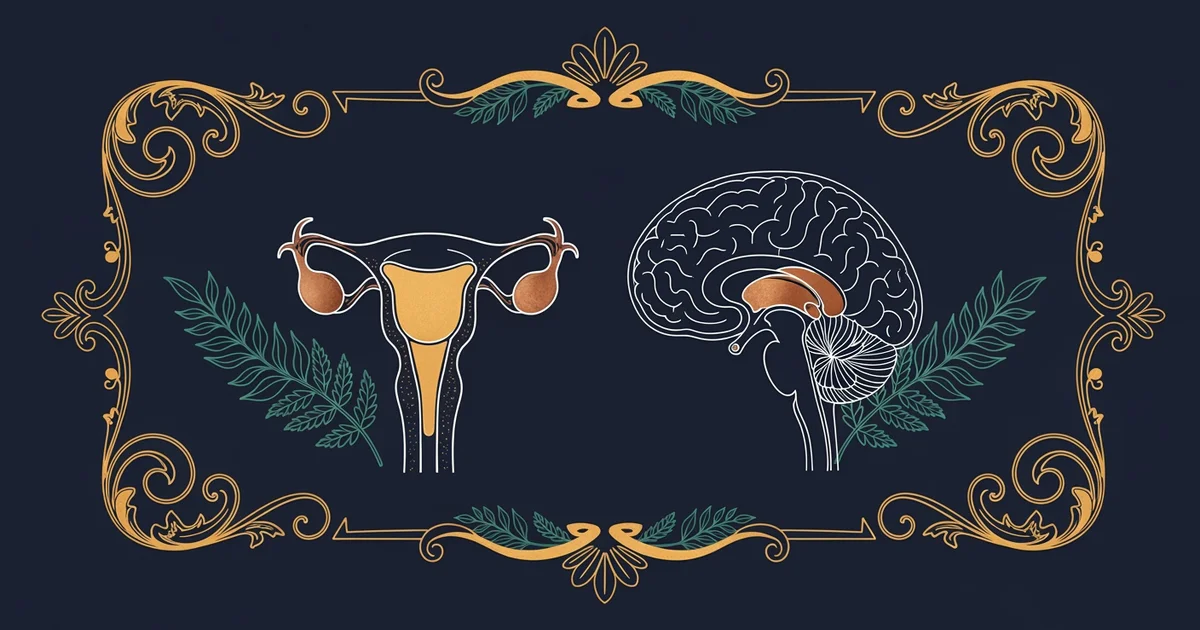
Maintaining this delicate balance requires constant communication between the brain and the glands that produce these chemical signals. The brain acts as the central control center, monitoring the concentration of these substances in the blood and sending feedback commands accordingly. When levels drop, the control center may send stronger signals to compensate, which can lead to the symptoms often associated with hormonal shifts. The following table highlights the primary functions that these two essential messengers support within the human body:
| Function | Estrogen Contribution | Progesterone Contribution |
|---|---|---|
| Bone Health | Promotes mineral density | Supports new bone growth |
| Mood Regulation | Enhances serotonin levels | Provides calming effects |
| Tissue Health | Maintains skin elasticity | Supports healthy cell lining |
These systems do not operate in isolation, as they rely on a constant feedback loop to function. If one messenger decreases, the entire system must recalibrate to find a new equilibrium that suits the changing needs of the individual. This process is not a failure of the system, but rather a natural evolution of how the body allocates its limited resources over the lifespan. By recognizing these patterns, individuals can better understand the physical sensations that accompany this biological transition. The interplay between these substances remains the foundation for understanding how the body navigates the complex changes that occur during the later stages of life.
Biological stability depends on the rhythmic interaction of chemical messengers that signal the body to maintain its structural and functional health.
The next step involves examining the limited supply of reproductive cells that dictate the timeline of these hormonal changes. This content is educational only and does not constitute medical advice. Always consult a qualified healthcare professional for personal health decisions.