
Integrative Health Perspectives
Imagine a complex orchestra where the lead conductor suddenly leaves the stage during a long performance. The remaining musicians must adjust their tempo and rhythm to keep the music playing smoothly without a single leader. Menopause acts as this conductor change for the human body by shifting how major biological systems communicate and function. This transition requires a broad view of health that moves beyond simple symptom management to include physical, mental, and social factors.
Integrating Biological and Lifestyle Factors
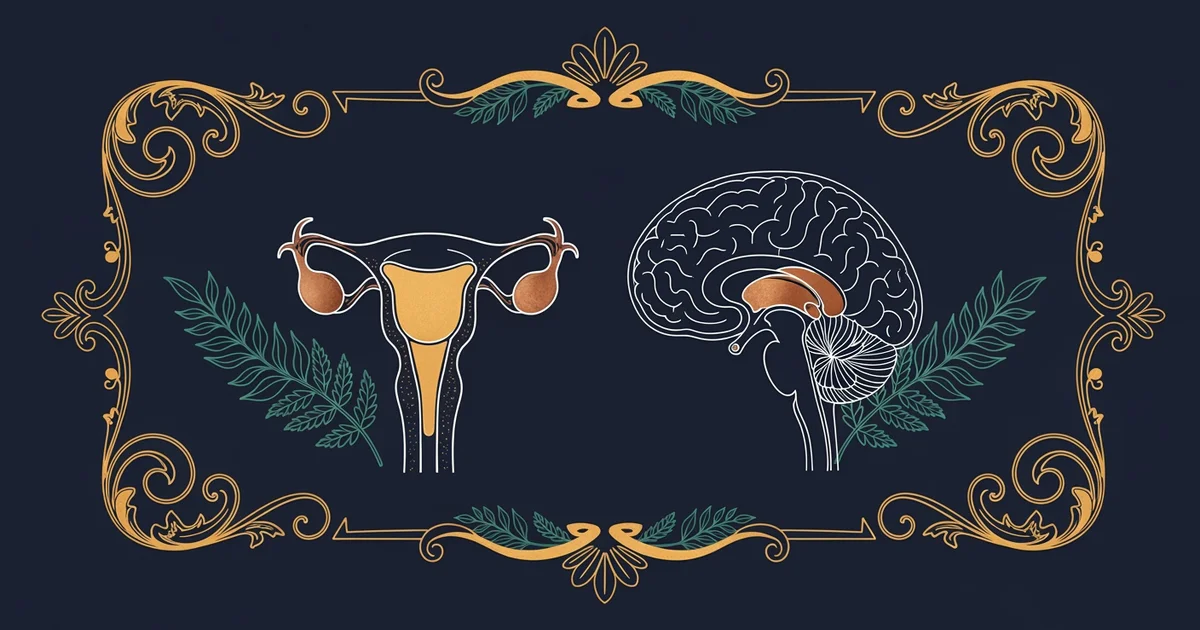
Research suggests that the body navigates this transition by balancing multiple internal processes that were previously synchronized by reproductive hormones. When these hormones decline, the body experiences a ripple effect across the nervous, cardiovascular, and metabolic systems. This shift is not just a reproductive event but a systemic change that alters how individuals process energy and manage stress. Integrative health perspectives treat this as a total body transition rather than an isolated issue. By viewing the body as an interconnected web, health professionals can better support the transition through combined strategies. This approach recognizes that sleep architecture changes, discussed in previous sessions, are deeply linked to mood stability and metabolic health. Understanding these connections helps individuals create a comprehensive health model that addresses the whole person.
Key term: Integrative health — a holistic approach to medicine that combines conventional treatments with lifestyle changes to address the physical, emotional, and social needs of the individual.
Managing this transition feels like balancing a budget during a period of fluctuating income. When the primary source of revenue drops, the household must find new ways to maintain stability by cutting unnecessary costs and investing in long-term savings. Similarly, the body must optimize its remaining resources to maintain homeostasis when hormone levels change. This requires a shift in focus from short-term fixes to sustainable habits that support long-term wellness.
Holistic Models of Care
Effective health management requires observing how different physiological factors interact to influence daily well-being. The following elements form the foundation of a holistic health model for individuals moving through menopause:
- Metabolic regulation helps maintain stable blood sugar levels by adjusting dietary intake and physical activity to compensate for slower processing speeds.
- Neurological resilience involves using mindfulness and cognitive strategies to manage the shifts in sleep and mood that often accompany hormonal fluctuations.
- Cardiovascular support focuses on heart health through consistent movement and nutrient-dense choices to mitigate the risks that increase during this life stage.
| Health Domain | Primary Focus | Goal of Integration |
|---|---|---|
| Metabolic | Energy use | Stable blood sugar |
| Neurological | Brain health | Emotional balance |
| Physical | Body systems | Sustained mobility |
These domains do not operate in isolation but influence one another constantly. For example, improved sleep quality directly enhances metabolic function and emotional regulation during the day. Addressing one area often leads to positive outcomes in others, creating a cycle of improvement. This synthesis allows for a more personalized approach that respects the unique biological needs of every individual. As we continue to study these interactions, the field moves toward models that emphasize preventative care and long-term health outcomes. This progress raises a socratic question: how can we better align our modern lifestyle choices with the ancestral biological realities of this transition? The research community continues to explore how these integrated models might influence health outcomes decades after the transition concludes. This content is educational only and does not constitute medical advice. Always consult a qualified healthcare professional for personal health decisions.
Comprehensive health during menopause requires balancing interconnected biological domains through lifestyle adjustments that support the whole person.
The next station will explore future research directions to clarify how these integrated models will shape long-term wellness strategies.
This content is educational only and does not constitute medical advice. Always consult a qualified healthcare professional for personal health decisions.