
Sleep Architecture Changes
When a busy professional spends years balancing a demanding career with home life, they often view sleep as a luxury that can be sacrificed during high-pressure weeks. During the transition of menopause, however, the body begins to reject this trade-off as hormonal fluctuations fundamentally alter the internal systems that regulate rest. This shift mirrors the experience of a city power grid that suddenly loses its automated load-balancing software during a major storm. As the system struggles to manage energy distribution, the lights flicker and the entire infrastructure becomes unstable. This is the biological reality of hormonal shifts impacting sleep architecture, which serves as a critical application of the systemic changes discussed in Station 12 regarding endocrine health.
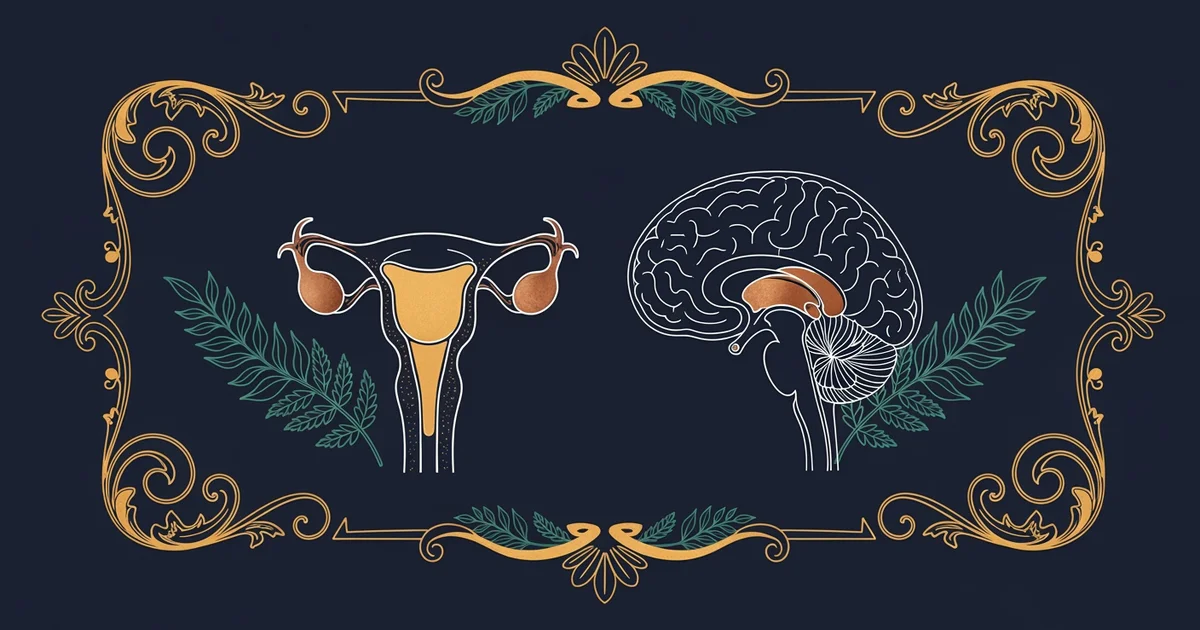
Mechanisms of Sleep Disruption
Research suggests that the decline in estrogen levels significantly impacts the body's ability to maintain a consistent core temperature throughout the night. Because the brain uses temperature regulation as a primary signal for shifting between sleep stages, sudden fluctuations can trigger premature awakenings or prevent the transition into deep, restorative sleep. These interruptions prevent the brain from completing the full cycle of rapid eye movement, or REM sleep, which is essential for emotional processing and memory consolidation. When these cycles are fragmented, individuals often experience a sense of persistent fatigue that persists even after spending adequate time in bed.
Key term: Sleep architecture — the structural organization of different sleep stages that the brain cycles through during a typical night of rest.
Evidence indicates that the reduction of progesterone also plays a complex role in this nocturnal instability. Progesterone typically acts as a natural sedative by interacting with specific receptors in the brain to promote calm and relaxation. As levels of this hormone decrease, the brain loses a key chemical buffer that usually helps dampen the impact of external stressors. Without this internal support, the nervous system remains in a heightened state of alertness that makes falling asleep or returning to sleep after a disturbance much more difficult. This state of hyper-arousal creates a feedback loop where the lack of sleep increases anxiety, which in turn further disrupts the hormonal balance required for rest.
Factors Influencing Nocturnal Patterns
Several distinct factors contribute to the ongoing challenge of maintaining healthy sleep patterns during this phase of life. Understanding these elements helps individuals identify the specific barriers preventing consistent recovery. The following list outlines the primary contributors to sleep disturbance during this transition:
- Vasomotor symptoms involve sudden sensations of heat that force the body to initiate cooling mechanisms, which effectively jolts the brain out of a deep sleep state.
- Increased cortisol sensitivity causes the body to respond more intensely to minor stressors, which keeps the heart rate elevated and prevents the transition into slow-wave sleep.
- Disordered circadian rhythms occur when the internal biological clock loses its sensitivity to light and dark cues, leading to fragmented sleep patterns that do not align with the night.
These factors do not affect everyone in the same way, but they represent the common physiological hurdles that arise during this biological transition. While the body attempts to compensate for these changes, the resulting sleep debt can impact daily cognitive function and overall health. Addressing these challenges requires a multifaceted approach that considers both the physical environment and the internal hormonal landscape. By recognizing these patterns, individuals can better manage the transition and support their body's need for consistent, high-quality rest.
| Factor | Physiological Impact | Resulting Sleep Issue |
|---|---|---|
| Estrogen drop | Poor temperature control | Frequent nighttime waking |
| Progesterone loss | Reduced brain sedation | Difficulty falling asleep |
| Cortisol spike | Heightened alertness | Inability to enter deep sleep |
This table highlights how specific hormonal changes directly influence the quality of rest. As shown, the loss of estrogen and progesterone disrupts the brain's ability to manage the transition between sleep stages. Each hormone loss creates a unique obstacle, but they all converge on the same outcome of reduced sleep quality. When these factors combine, the architecture of sleep becomes fragmented and less restorative for the body and mind. This is a primary reason why many people report feeling unrefreshed despite spending enough time in bed.
Understanding how hormonal shifts alter sleep architecture allows for more targeted strategies to restore balance and improve long-term recovery.
But this model breaks down when we try to isolate sleep issues from the broader context of metabolic health and daily stressors.
This content is educational only and does not constitute medical advice. Always consult a qualified healthcare professional for personal health decisions.