
Cognitive Function Trends
Forgetting where keys are placed or struggling to recall a name during a meeting often creates significant frustration. These lapses in memory seem minor at first but frequently cause individuals to worry about long-term mental clarity during midlife transitions.
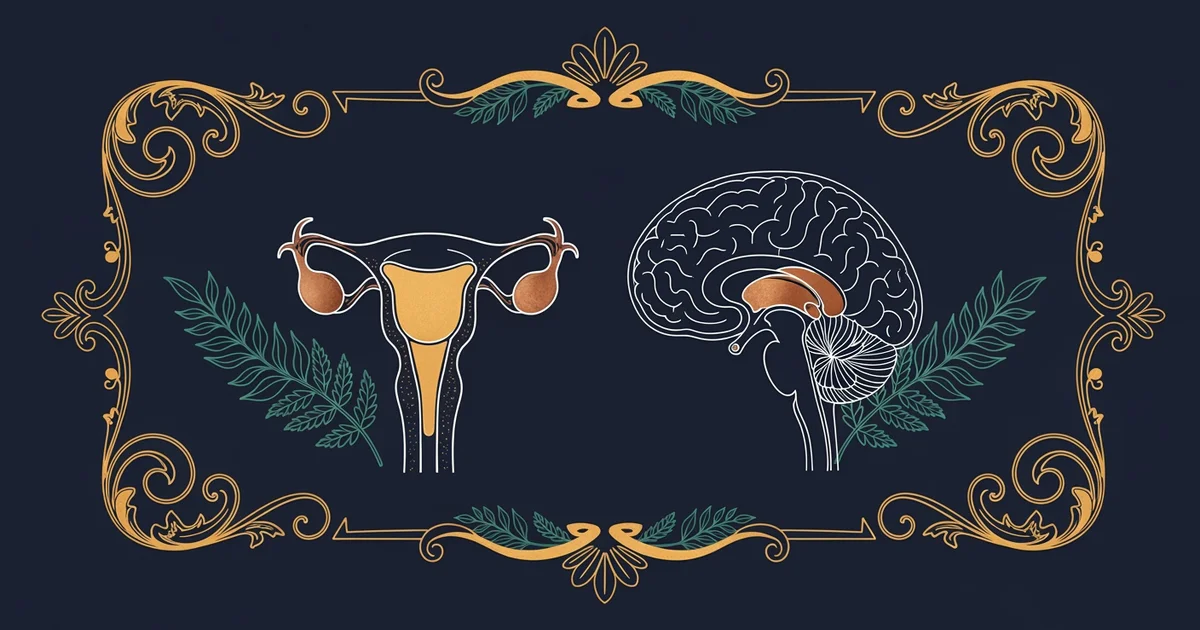
Understanding Cognitive Fluctuations
When people enter the phase of menopause, hormonal shifts influence many bodily systems including the complex neural networks of the brain. Research suggests that declining levels of circulating hormones like estrogen impact how neurons communicate during tasks involving memory or focus. Think of the brain like a busy office building where the power grid experiences occasional voltage drops during a renovation project. The lights might flicker or the elevator might slow down, but the building remains functional while the systems adjust to the new electrical load. This comparison helps clarify why some people report feeling mentally foggy rather than experiencing a permanent decline in their overall intellectual capacity.
Key term: Neuroplasticity — the ability of the brain to form new neural connections throughout life to adapt to changing internal or external environments.
Studies indicate that these cognitive changes often appear as subtle shifts in processing speed rather than sudden losses of knowledge or vocabulary. The brain works harder to maintain the same level of output, which feels exhausting when managing daily responsibilities. Because the brain possesses remarkable neuroplasticity, it often compensates for these temporary dips by utilizing different neural pathways to complete familiar tasks. Understanding that this process involves an adjustment period rather than a permanent deficit helps individuals manage their expectations regarding their mental performance during this time.
Research on Hormonal Influence
Evidence shows that the brain contains many receptors that respond directly to sex hormones, which explains why fluctuations affect mental clarity. When these receptors receive fewer signals than they did previously, the efficiency of memory retrieval processes can change in measurable ways. Researchers categorize these cognitive trends into several distinct areas that individuals often notice during their daily routines:
- Executive function refers to the ability to plan, organize, and complete complex projects, which sometimes requires extra effort during hormonal transitions.
- Verbal memory involves the capacity to recall words and names, a process that occasionally becomes slower when estrogen levels shift within the body.
- Sustained attention describes the skill of remaining focused on a single task for long periods, which may feel more difficult as the brain adjusts to new chemical balances.
These trends do not mean that intelligence decreases, but rather that the brain requires more energy to perform standard cognitive operations. By recognizing these patterns, people can implement strategies to support their mental health through better organization and stress management techniques. The goal remains to optimize function by working with the body rather than against the natural biological timeline of aging.
| Cognitive Area | Typical Observation | Potential Strategy |
|---|---|---|
| Verbal Memory | Slower word recall | Use written lists |
| Executive Tasks | Increased effort | Break down projects |
| Focus/Attention | Frequent distraction | Use quiet workspaces |
This table illustrates how specific cognitive domains change during the transition and offers practical ways to manage these shifts. When individuals understand that these experiences are common and often manageable, they can approach their daily tasks with more confidence and less anxiety about their long-term mental health. The brain remains a highly adaptable organ that continues to learn and grow despite the biological changes occurring throughout the transition of menopause.
The brain adapts to changing hormone levels by utilizing alternative neural pathways to maintain cognitive function during the transition of menopause.
But what does it look like in practice when someone tries to improve their daily mental performance through specific lifestyle choices?
This content is educational only and does not constitute medical advice. Always consult a qualified healthcare professional for personal health decisions.