
Shifting the Defensive Shape
When a striker breaks past the final defender, the entire defensive unit must react instantly to prevent a goal. A soccer team functions like a complex machine where every gear must rotate in perfect harmony with the others. If one player moves out of sync, the entire defensive structure creates a dangerous gap for the opponent to exploit. Maintaining a solid shape requires constant communication and shared spatial awareness across the entire back line. Players learn to coordinate their movements based on the location of the ball and the position of their teammates.
Synchronizing Defensive Movements
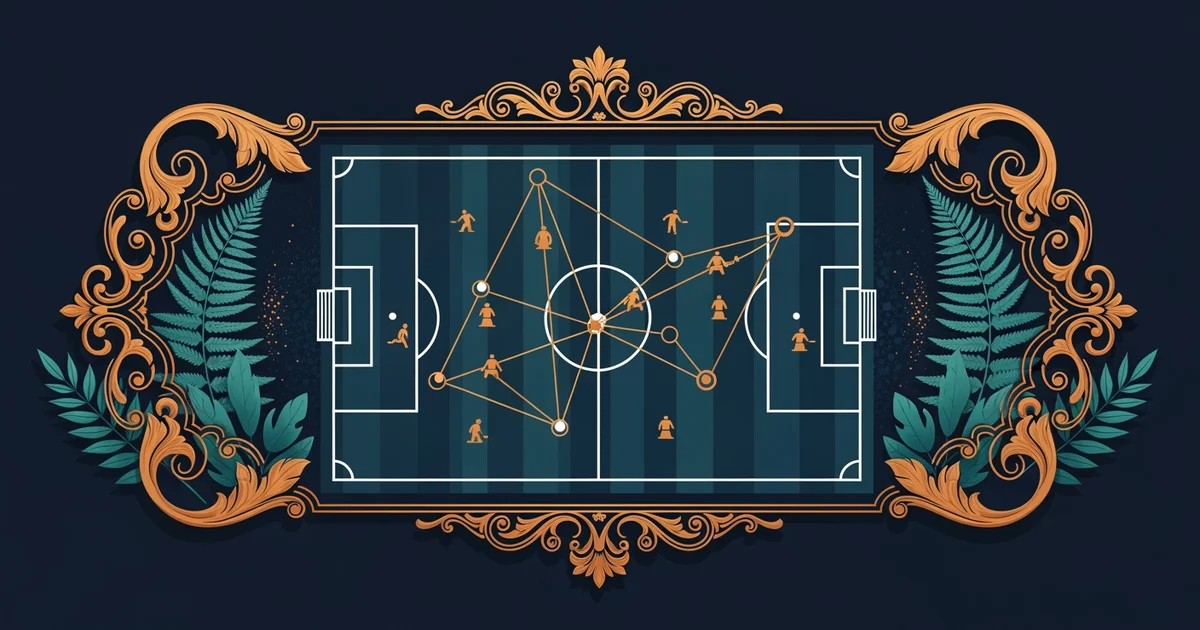
Because the ball dictates the flow of play, defensive units must shift their horizontal positioning to mirror the path of the attack. When the ball moves to the right wing, the entire defensive block slides as a single unit toward that side of the field. This collective movement ensures that the team maintains a compact shape that limits the space available for the opponent. Imagine a heavy curtain hanging on a rod where pulling one side causes the entire fabric to gather in that direction. The defensive line acts just like this curtain by covering the most dangerous areas while keeping the team connected.
Proper defensive coordination relies on the following three principles to keep the shape intact:
- Zonal marking provides a framework where players guard specific areas of the pitch rather than chasing individual opponents, which prevents the defense from being pulled out of their structured formation.
- Defensive spacing requires players to maintain consistent distances between themselves, ensuring that no single defender becomes isolated or overwhelmed by multiple attackers during a fast-paced transition.
- Recovery runs involve players sprinting back into their designated defensive positions immediately after losing possession, which stops the opponent from finding an easy path toward the goal.
Maintaining Structural Integrity
After establishing the horizontal shift, players must also manage their vertical depth to control the space between the midfield and the defensive line. A high defensive line can trap opponents in offside positions, but it leaves space behind the defenders for long passes. Conversely, a deep defensive line protects the area near the goal but allows the opponent more room to shoot from distance. Teams must find a balance that forces the opponent into low-probability areas while keeping the defensive block dense enough to block passing lanes.
| Defensive Strategy | Primary Goal | Risk Factor | Tactical Requirement |
|---|---|---|---|
| High Pressing | Force turnovers | Long balls | Fast defenders |
| Mid Block | Control tempo | Wide gaps | Tight communication |
| Low Block | Protect goal | Long shots | High discipline |
Key term: Defensive block — the collective shape formed by a team when they do not have possession of the ball.
When players understand these mechanics, they stop reacting to individual movements and start anticipating the opponent's next decision. The shift from individual marking to collective movement transforms a group of players into a cohesive defensive unit. Each defender becomes a part of a larger, intelligent system that uses geometry to reduce the probability of conceding a goal. By mastering these shifts, a team can effectively shrink the playing area and force the opponent into making mistakes under pressure. This approach turns defense into a proactive strategy rather than just a reactive attempt to stop the opposition from scoring points.
Coordinated defensive shifting relies on maintaining a compact team shape that moves in unison to minimize available space for the attacking side.
Since the team has learned to shift and maintain its shape, we must now examine how to identify and exploit the small gaps left by the opponent's own defensive structure.