
Digital Adaptation of Ancient Scripts
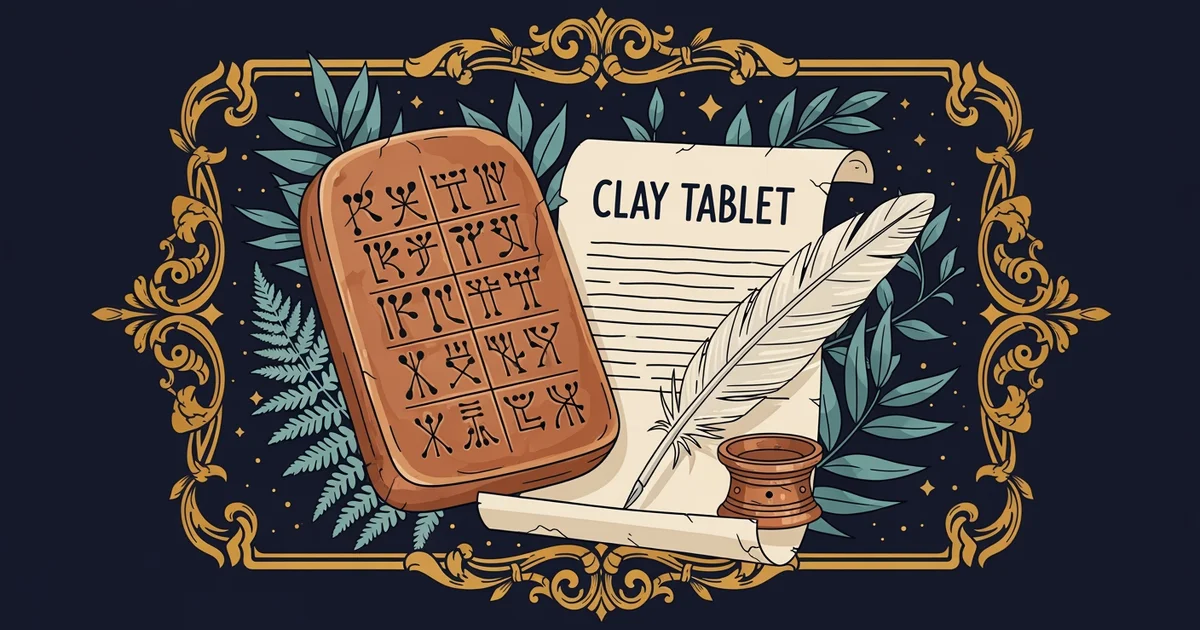
In 2012, a small group of researchers struggled to display ancient Cuneiform tablets on modern mobile devices because the standard digital keyboards lacked the necessary symbols. This technical failure highlights the massive gap between human history and the rigid binary language that powers our current global communication networks. When we try to save ancient knowledge in a digital format, we often find that our modern tools are not built for the complexity of older writing systems. This challenge represents the core tension of preserving cultural heritage in an era dominated by a few standard digital formats.
The Technical Hurdles of Digital Encoding
Encoding a writing system requires assigning a unique numerical value to every single character found within that language. This process is similar to giving every item in a massive warehouse a specific shelf number so workers can find it later. If a system like Unicode did not exist, every computer program would need its own custom map to translate symbols into readable text. This would be like having a grocery store where the labels keep changing every time you walk down a different aisle. Without a universal standard, older scripts often become invisible or display as broken boxes on our screens.
Key term: Unicode — a universal computing standard that assigns a unique number to every character across all writing systems.
Most modern digital systems were designed with the Latin alphabet in mind, which creates a bias in how software handles text. When developers build a new app, they often prioritize scripts that use fewer characters or follow simple left-to-right patterns. Ancient scripts often use complex ligatures or vertical stacking that break these basic assumptions. The effort to include these scripts is not just about technology but about ensuring that diverse human histories remain accessible to everyone. We must balance the need for speed with the need for accurate cultural representation across digital platforms.
Standardizing Global Communication
To bridge this gap, engineers must map thousands of historical characters onto a grid that computers can process reliably. This is a difficult task because many ancient scripts have multiple variations that evolved over several centuries of regional use. Experts must decide which versions are essential and which can be grouped together under a single digital identifier. This process requires deep collaboration between computer scientists and linguistic historians to ensure the digital version remains true to the original intent.
| Character Type | Encoding Challenge | Digital Solution |
|---|---|---|
| Alphabetic | Low memory usage | Standard mapping |
| Logographic | Thousands of signs | Unified databases |
| Ancient Script | Rare symbol sets | Custom font files |
These technical choices carry significant weight because they dictate which languages survive in the digital age and which fade away. If a script is too expensive to encode or too complex for standard software, it risks being left out of the digital archive. We must provide tools that allow these scripts to function as easily as the English alphabet. This ensures that the digital world reflects the full depth of human expression rather than just the most popular modern languages.
The Future of Script Preservation
Digital adaptation is more than a technical exercise; it is a way to protect the intellectual property of past civilizations. When we encode a script, we are essentially building a bridge that allows future generations to read primary documents without needing specialized training. This work requires constant updates because our digital standards evolve as quickly as the hardware we use to access them. By investing in these systems, we ensure that the visual history of our species remains a living part of the modern world. We must continue to push for inclusive standards that recognize the value of every writing system.
Universal digital standards allow diverse historical scripts to exist within modern software by providing a shared numerical language for every character.
But this model breaks down when we try to interpret the context of these symbols without the original cultural framework.