
Writing Systems and Cultural Identity
When the Republic of Turkey replaced its Arabic-based script with the Latin alphabet in 1928, the nation witnessed a sudden shift in its collective cultural expression. This change was not merely about reading or writing, but about signaling a new national direction to the entire world. This is the orthographic identity from Station 10 working in real conditions, where the choice of symbols acts as a powerful badge of belonging. A writing system serves as a bridge between a people and their history, shaping how they view themselves within the global community. When societies adopt or modify a script, they are often making a profound statement about their political values and their future aspirations.
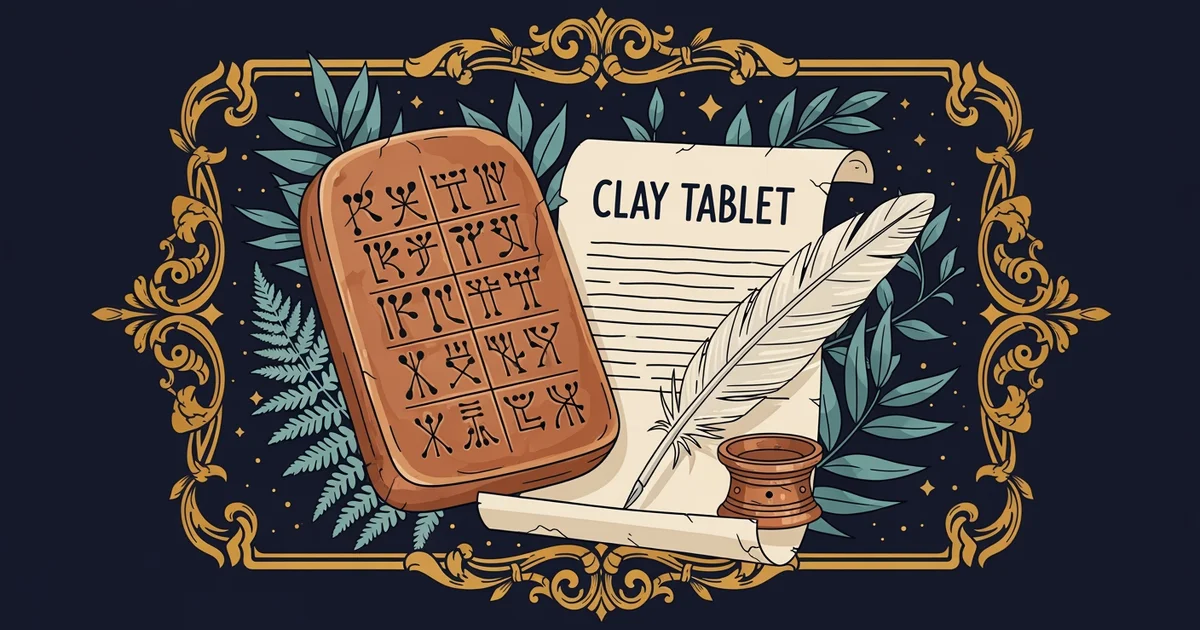
The Symbolic Power of Written Scripts
Writing systems function as visual markers that distinguish one culture from its neighbors across vast geographical distances. Just as a currency represents the economic health of a country, a script represents the intellectual and historical heritage of a society. When a group shares a unique script, they create a private space for their literature, laws, and religious traditions to flourish without outside interference. This exclusivity fosters a strong sense of unity among speakers of the same language, as the script becomes a gatekeeper for cultural participation. People who learn a specific script gain entry into a community, while those outside the system remain disconnected from that cultural stream.
Key term: Orthographic identity — the way a group uses specific writing symbols to define their cultural, political, or social boundaries.
Think of a script like a specialized key that unlocks a specific door to a house. If you hold the key, you can enter the room and see all the treasures stored inside by previous generations. If you do not have the key, the door remains locked, and the contents stay hidden from your view. This is how scripts regulate access to cultural knowledge across different human societies. A unique script acts as a protective shell, ensuring that the core values of a group stay intact even when they interact with powerful, expanding neighboring empires or cultural forces.
Scripts as Tools for National Unity
Governments often manipulate writing systems to consolidate power or to signal a break from a painful past. By standardizing a script, a state can ensure that all citizens receive the same information and follow the same set of national rules. This process of standardization creates a shared reality for everyone living within the borders, as it allows for the rapid spread of official ideas. A unified script makes it easier for the state to manage education, trade, and legal systems, which helps to bind diverse populations together. Without a common way to write, a nation might struggle to maintain order or to project a clear image of its national character to the world.
To understand the impact of these changes, we can look at how different societies have managed their written communication over time:
- State-led standardization: Authorities mandate a specific script to ensure that all citizens can access government documents, which helps to reduce confusion and strengthen the central power of the administration.
- Cultural preservation: Many groups maintain ancient or unique scripts as a way to honor their ancestors, even if a more common global script would be easier for international trade.
- Political realignment: Nations may abandon a traditional script to align themselves with new allies, signaling a change in their geopolitical focus and their desire for modern integration.
These choices reflect the ongoing tension between local tradition and the pressures of global connectivity. Every society must decide how much of its past to preserve through its writing and how much to adapt for the sake of efficiency and growth. This balancing act defines the relationship between a people and their written legacy for many generations to come.
Writing systems function as essential markers of national identity that allow societies to preserve their unique history while navigating their place in the modern world.
But this model of cultural stability breaks down when digital platforms force a single, standardized script onto every user regardless of their native heritage.