
Syllabaries and Phonetic Representatio
Imagine you are trying to write down every single sound in a spoken sentence using only a small set of unique shapes. If you choose one symbol for every possible consonant and vowel combination, you are building a system that organizes language by its rhythmic beat. This specific way of mapping sound to symbol creates a bridge between our fleeting spoken words and the permanent visual records we leave behind. By focusing on these patterns, we can see how different cultures solved the problem of capturing the human voice on a flat surface.
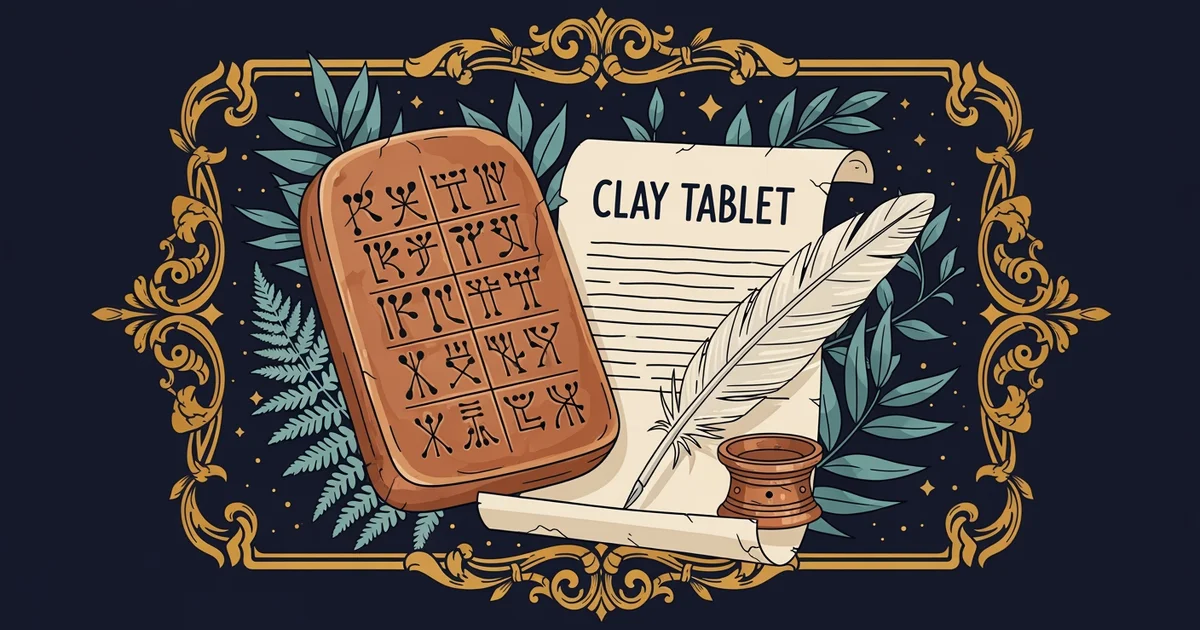
The Mechanics of Syllabic Sound Representation
When a writing system uses a syllabary, it assigns a unique character to every distinct syllable found within the spoken language. Unlike a logographic system where one symbol might represent an entire complex idea or a noun, a syllabic sign represents a specific sound unit. A syllable typically consists of a consonant followed by a vowel, such as the sounds found in the words 'ba', 'be', or 'bi'. Because the human brain naturally processes speech in rhythmic pulses rather than individual phonemes, this method feels very intuitive for early writers. Think of it like a set of building blocks where each block is a pre-formed sound chunk. If you want to write a word, you simply stack the correct blocks together to mirror the rhythm of your speech. This structure keeps the writing process efficient since you do not need to invent new symbols for every single object or action you wish to describe.
Key term: Syllabary — a writing system where each character represents a complete syllable, typically consisting of a consonant sound followed by a vowel sound.
This approach to writing changes how we interact with text because it prioritizes the sonic quality of the language over the meaning of the words. If you use a syllabary, you are essentially creating a phonetic map of the mouth movements required to produce the speech. This map allows a reader to reconstruct the original sound even if they do not immediately recognize the word on the page. Since each symbol carries a predictable sound, the system remains consistent across many different contexts. However, this creates a challenge for languages with complex sound structures. If a language uses many clusters of consonants, a syllabary requires an enormous number of unique signs to cover every possible combination. This complexity is why some societies eventually moved toward more flexible systems that break sounds down into smaller, individual units.
Comparing Writing Strategies and Efficiency
To understand why societies choose one system over another, we must look at how these methods handle the sheer volume of information they need to encode. A logographic system requires a massive memory bank to store thousands of characters, while a syllabary is more compact but still requires a significant number of signs. The efficiency of a writing system often depends on how well it matches the phonology of the spoken language it serves. If a language has a simple structure with few possible syllable types, a syllabary becomes an incredibly powerful tool for literacy. The table below highlights the core differences between these major categories of writing systems:
| System Type | Primary Unit | Complexity Level | Memory Load |
|---|---|---|---|
| Logographic | Word/Concept | Very High | Extremely High |
| Syllabary | Syllable | Moderate | Moderate |
| Alphabetic | Phoneme | Low | Low |
These differences illustrate the trade-offs that ancient civilizations faced when they decided to formalize their communication. A society might prefer a logographic system for its ability to convey deep meaning across different dialects, or they might choose a syllabary for its ease in teaching basic reading skills to the public. Each choice reflects a different priority in how information should be stored and shared. By examining these mechanics, we uncover the logical evolution of human record-keeping as it moved from simple pictures to complex, sound-based representations.
A syllabary functions by mapping individual speech pulses to distinct visual symbols, creating a rhythmic and phonetic representation of language that balances ease of learning with structural accuracy.
But what happens when a society decides to strip away the vowels to focus only on the core consonant sounds?
Want this with sources you can check?
Premium Learning Paths for Literature & Linguistics are researched against open-access libraries — PubMed, arXiv, government databases, and more — with their distinctive claims cited to real sources and independently checked.
See what Premium includes