
Future Trends
Digital archives often fall silent when the last fluent speaker of a language fades away. How can we ensure these voices echo clearly for those who follow our current path?
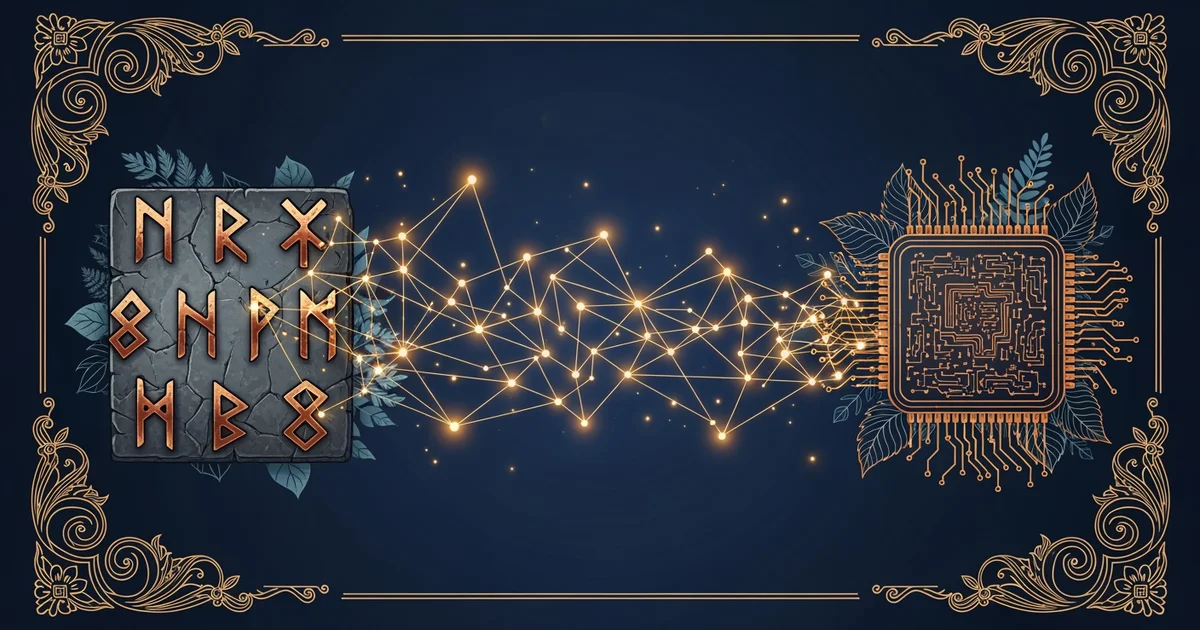
Advancing Neural Preservation
Artificial intelligence offers a bridge between fading oral traditions and the digital future. We previously explored Validation Methods to ensure data accuracy, but future systems will move beyond simple storage. These tools will soon act as active partners in language revitalization rather than passive record keepers. Think of this process like a high-stakes investment portfolio where we must diversify our assets to avoid total loss. By combining audio, video, and cultural metadata, we create a living archive that learns and grows alongside the community. This shift transforms static files into interactive platforms that teach grammar through real-time conversation. As these systems improve, they will handle complex nuances that current software often misses entirely.
Key term: Neural Preservation — the process of using advanced machine learning models to synthesize and maintain linguistic structures from limited datasets.
Future research paths focus on low-resource environments where data is scarce and precious. We must refine our Predictive Modeling to fill gaps in incomplete recordings without inventing false information. This requires a delicate balance between machine logic and human intuition to maintain cultural integrity. If we rely too heavily on algorithms, we risk flattening the unique beauty of regional dialects. Scientists now aim to build systems that prioritize community feedback loops to ensure the AI reflects the living spirit of the language. This collaborative approach turns the technology into a tool for empowerment rather than just another form of digital documentation.
Integrating Future Technologies
We must consider how these tools interact across different stages of language documentation projects. The following table highlights how specific technologies improve our ability to save dying languages for the future.
| Technology Type | Primary Function | Benefit to Community |
|---|---|---|
| Neural Networks | Pattern recognition | Predicts missing words |
| Cloud Storage | Data accessibility | Allows global sharing |
| Voice Synthesis | Speech generation | Restores lost dialogue |
These advancements represent a significant leap forward from the static logs of the past. By using these tools, we can synthesize coherent sentences from fragmented audio clips that were previously unusable. The integration of these systems allows researchers to reconstruct lost vocabulary by comparing related dialects across vast geographic distances. This interconnected data creates a more robust foundation for future learners who wish to study these tongues. We must continue to ask how we can keep the human element central as automation takes on the heavy lifting of data processing.
As we look ahead, the challenge remains to keep these digital tools accessible to the people who own the languages. A sophisticated AI model provides little value if the community cannot use it to teach their own children. We must design interfaces that respect traditional teaching methods while leveraging the speed of modern computing. This synthesis of old and new ensures that technology serves the culture instead of replacing it. The goal is to build a bridge that connects the wisdom of the past with the technical potential of the next century. We are essentially building a library that teaches itself to read and write in every language we save.
Artificial intelligence serves as a dynamic partner in language preservation by transforming fragmented data into interactive tools for future generations.
The successful integration of these technologies leads us to the final stage of our journey where we will assemble our findings into a complete project synthesis.