
Project Synthesis
Imagine trying to build a complex house without any blueprints or a clear construction plan to guide you. You might place the bricks randomly, hoping the walls will hold, but the structure would likely fail under pressure. Language documentation works in a similar way because capturing a dying language requires a precise strategy to ensure every detail survives. Without a roadmap, researchers often lose vital context or fail to record the unique sounds that define a culture. We must move beyond simple recording to create a complete, lasting archive for future generations.
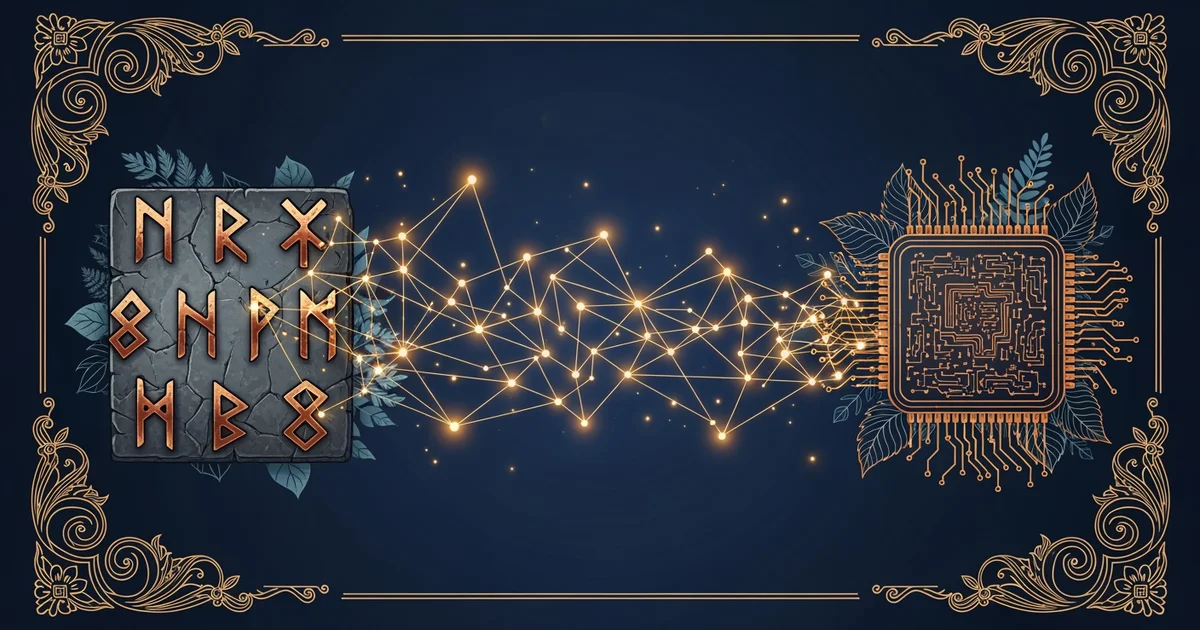
Building a Documentation Framework
To effectively save a language, you must treat the process like an investment portfolio where you diversify your assets to maximize returns. You cannot rely on just one type of recording if you want to capture the full scope of a human tongue. A strong strategy starts with metadata, which acts as the digital label for your files by describing who spoke, where they were, and why the recording matters. Without these labels, your data becomes a pile of unlabeled boxes in a dark attic where nobody can find what they need. You should also prioritize high-quality audio and video to preserve the nuances of speech that text alone simply cannot convey. By organizing these assets, you build a foundation that remains useful long after the last fluent speaker has passed away.
Key term: Metadata — the essential descriptive data attached to a recording that explains the context, speaker identity, and environmental factors of the captured language sample.
Once you have your primary recordings, you must integrate them with the linguistic tools we explored in previous stages of this path. Combining computational linguistics with traditional field methods allows you to process vast amounts of data much faster than human ears could manage alone. You should use automated tools to transcribe audio into text, but always verify the output with native speakers to ensure accuracy. This partnership between machine speed and human wisdom creates a reliable bridge between the past and the future. You must also consider how these files will be accessed, as an archive that nobody can open is effectively the same as a deleted file. A robust plan includes plans for digital storage that evolves with technology to prevent data decay.
Structuring the Final Archive
To ensure your project remains sustainable, you should follow a structured approach that prioritizes longevity and accessibility for the community members. The following steps outline a professional workflow for documenting a language effectively:
- Community Engagement: You must consult with native speakers first to determine which stories, songs, or conversations they want to preserve for their own children.
- Raw Data Collection: You record high-fidelity audio and video of natural speech to capture the authentic rhythm, tone, and emotional weight of the language.
- Systematic Annotation: You add time-aligned transcriptions and linguistic glossing to the recordings so that researchers can understand the grammatical structure of the language.
- Secure Archiving: You store the final collection in multiple digital formats within a public database that guarantees long-term access for future generations.
| Stage | Primary Goal | Key Resource |
|---|---|---|
| Planning | Define scope | Community leaders |
| Recording | Capture speech | Digital audio gear |
| Processing | Analyze data | AI transcription tools |
| Storage | Preserve files | Digital repositories |
By following this structured path, you transform a collection of random audio files into a living, breathing resource for the entire world. The tension between rapid technological change and the slow pace of cultural loss remains a major challenge for modern linguists. We must decide if we will act as passive observers or active builders of these digital libraries. This project synthesis proves that artificial intelligence serves as a powerful ally when guided by human care and community goals. You now possess the knowledge to design a documentation project that honors the past while utilizing the best tools of the present.
Successful language documentation requires a strategic blend of community collaboration, high-quality data collection, and long-term digital preservation to ensure that a language remains a vibrant resource for future generations.
Language documentation is a collaborative effort that relies on the intersection of human cultural insight and the analytical power of modern machine learning tools.