
AI Basics for Linguistics
Imagine a librarian who can read every single book in the world at the same time. This tireless librarian knows where every word lives and how every sentence connects across different languages. Modern computer programs now perform this task by using complex patterns to understand human speech and writing. We call this process machine learning, which allows computers to improve their performance as they process more data. These systems do not think like humans, but they excel at finding hidden patterns within vast amounts of information. By training on thousands of hours of audio, they learn to predict the next sound or word in a sequence. This capability forms the bedrock of how we capture and save endangered languages today.
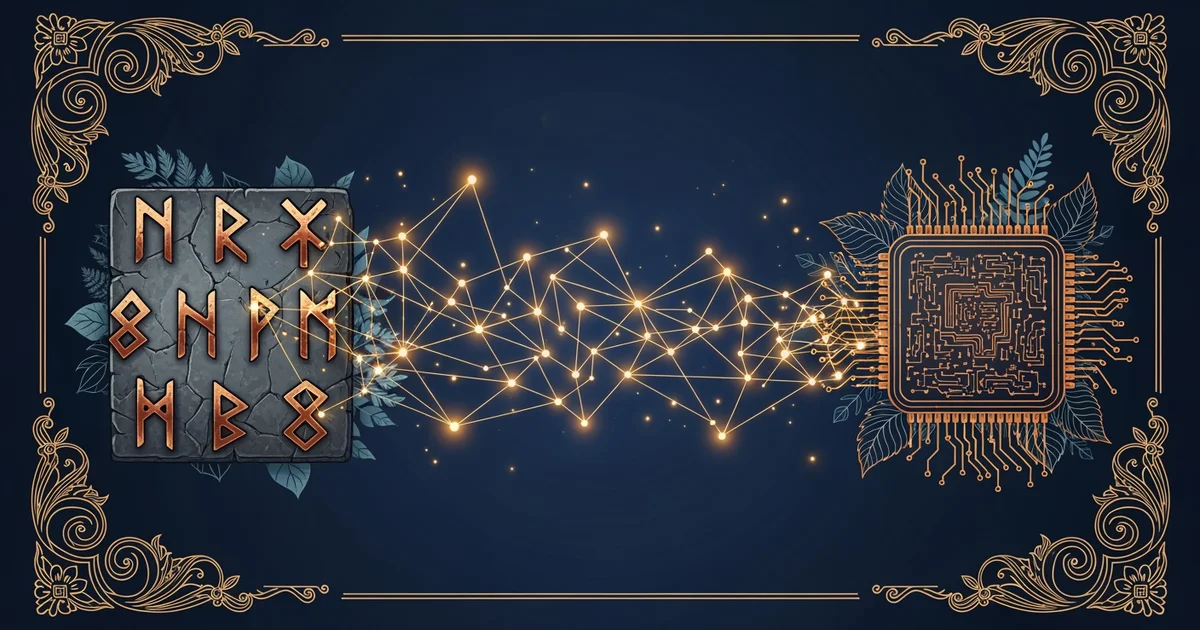
Pattern Recognition in Language
Computers process language by converting speech into numerical data that they can analyze with great speed. Think of this like a massive grocery store where every item has a specific barcode for tracking. Instead of scanning items, the computer scans tiny segments of sound to identify common linguistic features. It looks for recurring shapes in the audio waves that represent specific vowels or consonants across many speakers. Once the system identifies these patterns, it creates a map of how sounds relate to each other. This digital map helps the software distinguish between different words even when speakers have unique accents. The more data the system receives, the better it becomes at mapping these complex sounds accurately.
Key term: Machine learning — a branch of artificial intelligence where computers learn to identify patterns and make predictions from data without explicit programming.
When these systems encounter a new language, they rely on existing data models to guess the structure. If the software knows how most languages organize their grammar, it can apply those rules to a new case. However, it must adjust its predictions based on the unique qualities of the specific language being documented. This balance between general rules and specific details is what makes the technology so powerful for linguists. It acts like a skilled translator who knows many languages but remains humble enough to learn the local dialect. This adaptive quality ensures that the documentation remains faithful to the actual speech patterns of the community members involved.
The Logic of Predictive Systems
To understand how these tools function, we must look at how they predict the next piece of information. The following steps outline how a computer processes a new language sample:
- Data ingestion occurs when the system converts raw audio or text files into a digital format it can read.
- Feature extraction identifies the unique acoustic or written markers that define the specific language being processed by the system.
- Probabilistic modeling allows the computer to calculate the likelihood of specific words or sounds appearing in a given sequence.
- Pattern refinement happens as the system compares its initial guesses against known examples to improve its accuracy over time.
These four steps allow the system to build a reliable bridge between raw noise and meaningful language documentation. By automating these repetitive tasks, the computer frees up human linguists to focus on the deeper cultural meanings. The technology does not replace the expert, but it provides a massive boost to their daily research efforts. This partnership between human intuition and machine speed is essential for saving languages that are currently at risk of disappearing forever. The efficiency gained here allows for much faster progress in documenting rare dialects than was ever possible in the past.
| Process Phase | Primary Goal | Human Role | Computer Role |
|---|---|---|---|
| Input | Data capture | Recording | Digitizing |
| Analysis | Finding rules | Oversight | Pattern search |
| Output | Translation | Verification | Prediction |
This table illustrates how the division of labor works to ensure accuracy in linguistic research. The computer handles the heavy lifting of data crunching while the linguist ensures the results make sense. This collaborative approach creates a safety net for the language, ensuring that every nuance is captured correctly. Without this structure, the sheer volume of data would overwhelm any single human researcher working alone. The system essentially acts as a force multiplier for the preservation of human history and cultural identity. By using these tools, we ensure that the voices of the past remain audible for all future generations to study and enjoy.
Artificial intelligence functions by identifying statistical patterns within language data to predict and organize information for human review.
The next Station introduces transcription automation, which determines how these predictive models turn raw audio into accurate written text.