
The Role of Technology
Imagine trying to save a fading photograph by tracing its lines before the ink dissolves completely. This is the challenge linguists face when they work to record languages that have very few speakers remaining today. Without modern tools, these voices might vanish into silence within a single generation of human history. Digital technology acts as a vital bridge between the past and our future by capturing speech. It allows us to preserve complex patterns that would otherwise be lost to time and neglect forever.
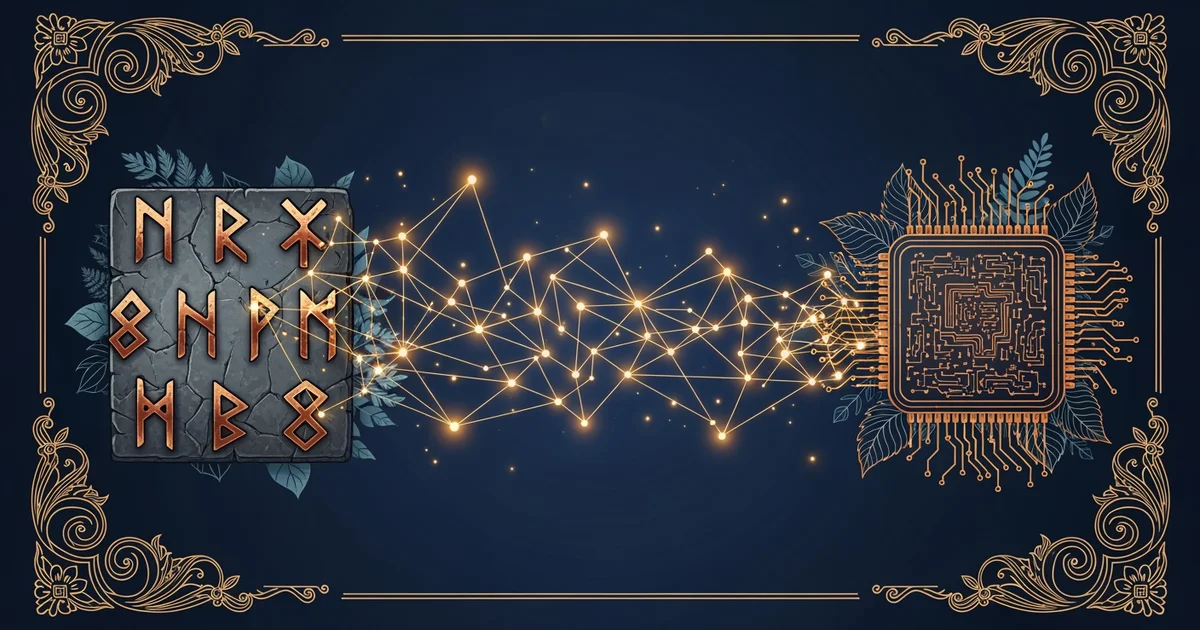
Digital Tools for Language Preservation
Modern research relies on specialized equipment to ensure that every nuance of a language remains intact. High-quality audio recorders capture the subtle variations in pitch and tone that define many unique dialects. These recordings serve as the primary evidence for how a language functions in everyday life. Software programs then organize these files into searchable databases for future study and analysis. Think of these archives like a digital library where each book represents a unique piece of human culture. Just as a librarian organizes books by genre, these tools categorize speech patterns for easy retrieval later.
Key term: Linguistic Archiving — the practice of gathering and storing speech data to protect endangered languages from being forgotten.
Researchers use several common technologies to manage the vast amount of data collected during their field work sessions:
- Digital Audio Workstations allow experts to edit sound files while maintaining the original quality of the recording for accuracy.
- Cloud Storage Platforms provide a secure way to back up fragile data so that information remains safe from physical damage.
- Annotation Software enables linguists to link specific words to their meanings while marking grammar rules within the audio files.
These systems ensure that the work done today provides a solid foundation for researchers who will arrive decades later.
The Role of Automated Processing
Once the audio is safely stored, computers help linguists process the information much faster than any human could alone. Manual transcription is a slow process that requires hundreds of hours of focused listening for every single hour of speech. Automated tools can now identify recurring sounds and suggest potential spellings for words in unwritten languages. This speed helps teams focus their energy on interpreting the meaning rather than just typing out basic sounds. It is like using a power drill instead of a manual screwdriver to build a house quickly.
| Tool Type | Primary Function | Benefit to Linguist |
|---|---|---|
| Recorder | Capture sound | High fidelity data |
| Database | Organize files | Quick information access |
| Parser | Analyze structure | Faster pattern discovery |
The table above shows how different technologies handle specific tasks during the documentation process. By using these tools together, linguists create a complete picture of a language that is both accurate and accessible. This integration of hardware and software transforms how we view the survival of global heritage. We are no longer just observing change but actively participating in the preservation of human identity itself. Every byte of data saved represents a victory against the gradual erosion of cultural diversity across the globe. As we refine these methods, we learn more about the structure of human thought through language.
Digital technology provides the essential infrastructure needed to capture, organize, and analyze endangered languages for long-term preservation.
The next step involves exploring how artificial intelligence can specifically assist in identifying patterns within these complex linguistic archives.