
Introduction to Documentation
Imagine you are trying to save a recipe passed down by your grandmother that she never wrote on paper. You must watch her cook and write down every movement, ingredient, and timing before she stops making the dish forever. This is exactly how linguists feel when they work to capture a language that has no written records. Without a written form, the only way to preserve these unique sounds and stories is through careful, manual observation and recording. This process is the foundation of protecting human cultural history against the silence of time.
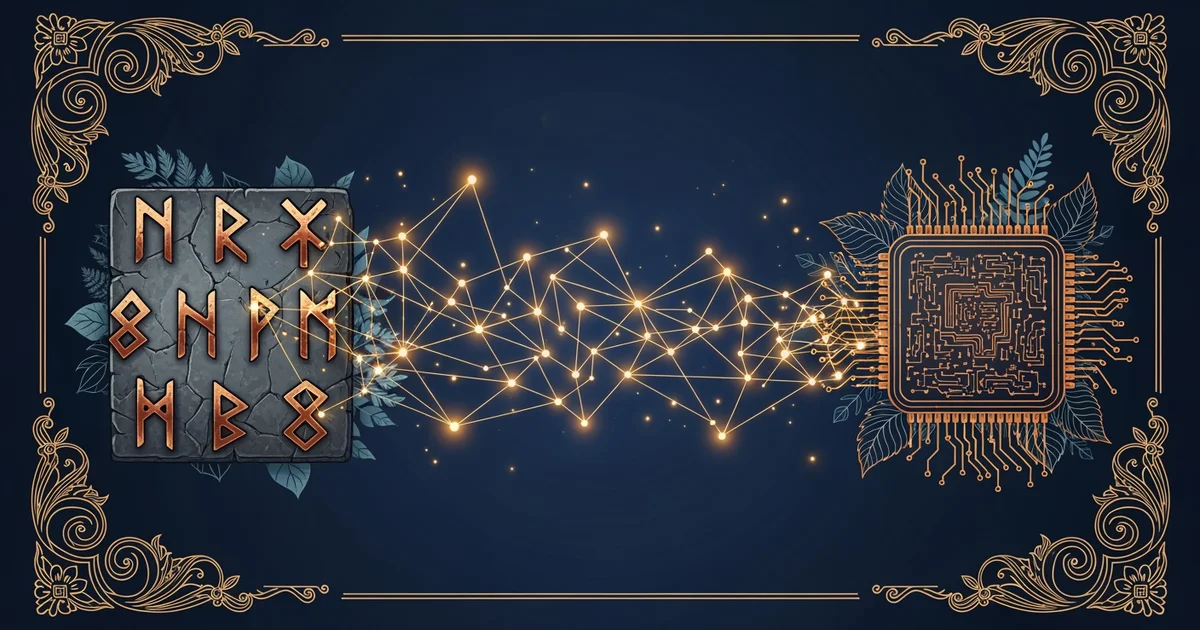
Recording Techniques for Endangered Speech
When we document a language, we start by creating a permanent record of how native speakers use their voices. The most basic method involves high-quality audio recording to capture subtle shifts in pitch and tone that letters cannot easily show. Think of this like taking a high-resolution photograph of a painting that is slowly fading away in the sun. If you only describe the painting with words, you lose the texture and the specific blend of colors. By capturing the actual audio, we save the true essence of the speech for future researchers to study.
To ensure these recordings remain useful, linguists organize their data using specific tools that allow for easy searching and analysis later. They often use software to align audio files with their written transcriptions, which helps bridge the gap between spoken sound and text. This process is similar to how a bank keeps a ledger to track every single transaction that occurs throughout the day. If the ledger is missing or disorganized, the history of the account becomes impossible to reconstruct, just as a language becomes lost without proper documentation.
Key term: Language documentation — the process of creating a lasting, multi-purpose record of a language through recordings and written transcriptions.
Standard Methods of Linguistic Collection
Beyond simple audio, researchers often use video to document the physical gestures that accompany specific words or phrases in a conversation. Body language acts as a silent partner to speech, providing vital context that helps listeners understand the speaker's true intent. When we document these interactions, we create a complete picture of how the community communicates in their daily life. This holistic approach ensures that the culture is preserved alongside the grammar, keeping the living spirit of the language intact for future generations.
To maintain consistency across different projects, linguists follow standard practices for gathering and storing their data for long-term safety. These methods ensure that the information remains accessible even as technology changes over the next several decades. The table below highlights the primary tools used in the field today:
| Tool Type | Primary Function | Benefit for Future Research |
|---|---|---|
| Audio Recorders | Capture raw speech | Allows for phonetic analysis |
| Video Cameras | Record visual cues | Shows context and gesture |
| Transcription Software | Create text records | Makes data searchable and clear |
By using these tools together, we build a robust library of human expression that would otherwise vanish from the world. Each recording serves as a vital piece of a larger puzzle that helps us understand the vast diversity of human thought. Documentation is not just about saving words, but about respecting the people who have spoken them for centuries. We must treat these records with the same care we would give to a rare historical artifact found in a dusty attic.
Language documentation creates a lasting digital archive that captures the sounds, gestures, and structures of a language to ensure it survives for future study.
Next, we will explore how modern technology accelerates this documentation process by automating the analysis of these recorded sounds.