
The Crisis of Language Loss
Imagine walking through a bustling market where every merchant speaks a unique, ancient language that no one else understands. Now imagine returning years later to find the market completely silent because the last speakers have passed away, taking their words, stories, and history with them forever. This scenario is not just a sad thought experiment but a daily reality occurring across our modern global landscape. Language loss represents a profound gap in human knowledge, as every tongue acts as a specialized lens for viewing the world around us.
The Fragility of Spoken Heritage
When a language vanishes, it takes more than just vocabulary with it into the void of history. Each language contains unique ways of describing the environment, medicinal practices, and complex social structures that have evolved over thousands of years. Think of a language as a vast, living library where every book is a unique record of human experience that exists nowhere else. If we lose these libraries, we lose the blueprints for how different cultures have solved survival challenges across diverse climates. We are essentially burning down the archives of human ingenuity before we have even had the chance to read them.
Key term: Linguistic diversity — the wide variety of distinct languages spoken across the globe, each reflecting unique cultural perspectives and cognitive frameworks.
This loss is often compared to the extinction of a rare biological species in a fragile ecosystem. Just as a forest loses its resilience when it loses a variety of plants, human culture loses its adaptability when it loses a variety of languages. When a community stops passing down their native tongue, they lose a vital link to their ancestors and their specific way of interpreting reality. This process happens rapidly when younger generations prioritize dominant world languages to find better economic opportunities in global markets. We are currently witnessing an unprecedented speed of language decline that threatens the very tapestry of our global heritage.
The Urgency of Preservation
Preserving these dying languages requires immediate action because the window for capturing authentic speech is closing every single day. We must document these languages before the final generation of fluent speakers is gone, as there is no way to recover a lost language once the last speaker passes. The following table highlights why this documentation process is so critical for our collective human record:
| Feature | Why It Matters | Risk If Lost |
|---|---|---|
| Oral History | Connects past to present | Loss of cultural identity |
| Local Knowledge | Maps unique environments | Loss of survival strategies |
| Linguistic Patterns | Shows how minds work | Loss of cognitive variety |
Documentation is not merely about recording audio files; it involves deep collaboration with community members to ensure the nuances of their expression are captured correctly. By using digital tools, we can create archives that serve as a bridge between the past and the future. These archives allow descendants to reconnect with their roots and help researchers understand the vast potential of human communication. We must act as stewards of this knowledge to ensure that the rich diversity of our species is not permanently erased.
- Data Collection involves recording native speakers in natural settings to capture authentic grammar and vocabulary usage.
- Digital Archiving stores these recordings in secure formats that remain accessible for future generations to study and learn.
- Community Integration empowers local groups to take ownership of their language revitalization efforts through modern technology and learning platforms.
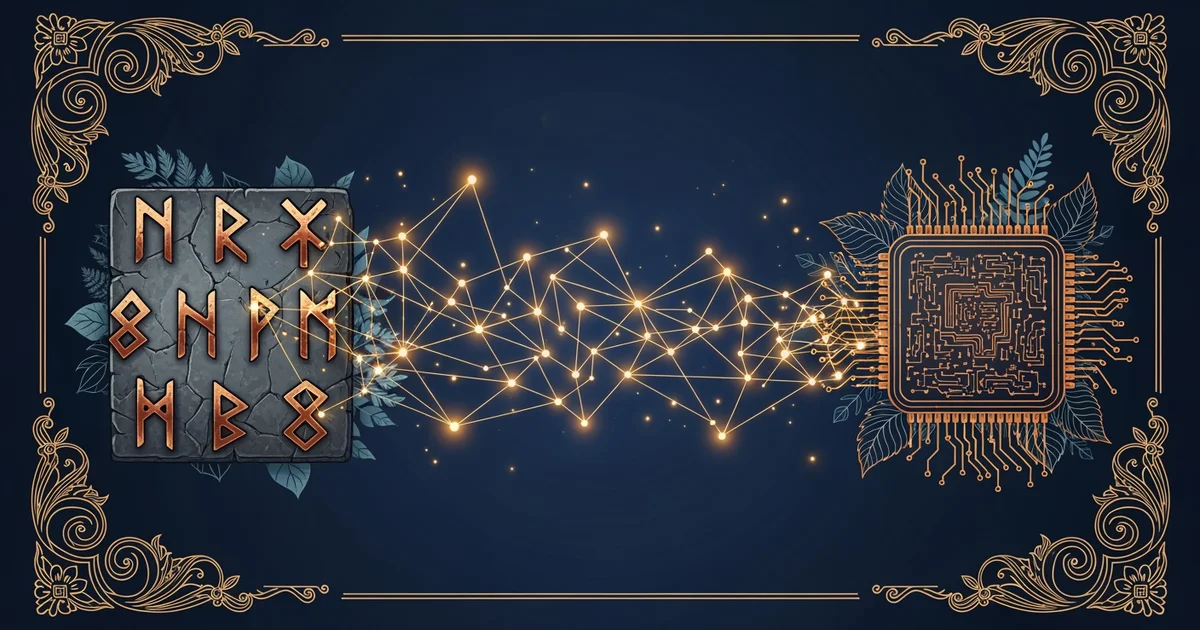
This path will provide you with the essential skills to use artificial intelligence for documenting and preserving these precious linguistic resources for the future.
True language preservation requires capturing the unique cultural wisdom and cognitive frameworks embedded within every distinct tongue before they are lost to time.
By understanding why these languages matter, we can now move toward the practical methods used for effective language documentation.