
Validation Methods
When a local grocery store chain updates its digital inventory system, managers must verify every entry to ensure the prices match the physical items on the shelves. This process of checking digital claims against physical reality serves as a perfect mirror for linguists working with modern software. Just as a store manager cannot trust a computer to label a product correctly without human oversight, researchers cannot rely on software to document a dying language without strict verification. This is the essence of validation methods in language documentation, where human speakers ensure that machine-generated output accurately reflects their cultural heritage.
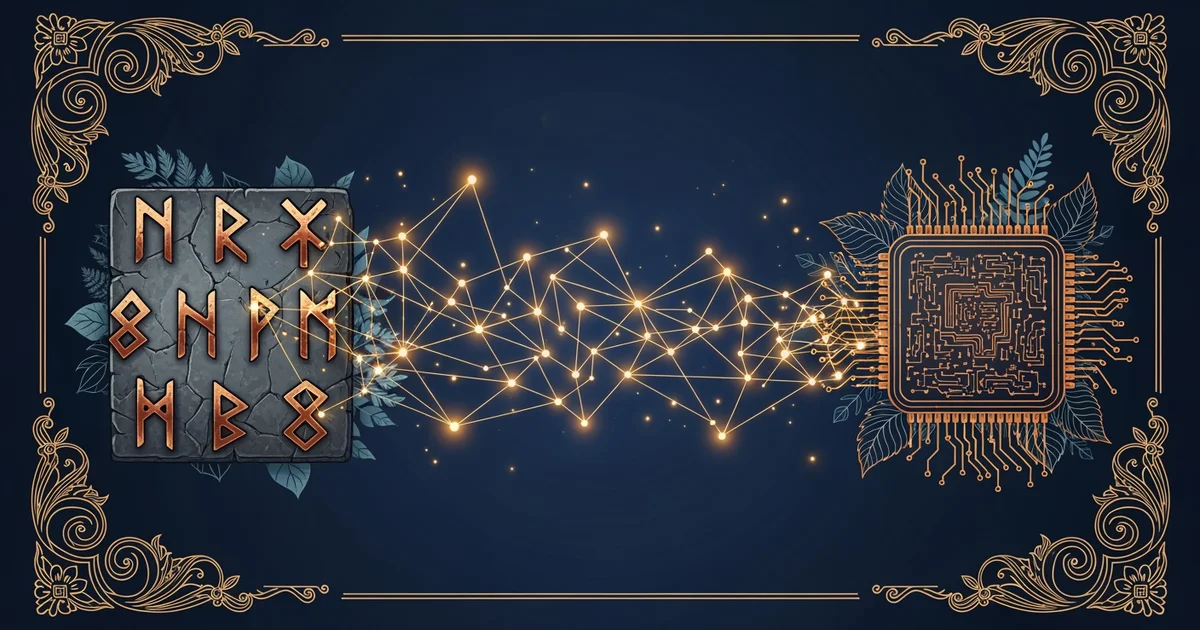
Establishing Accuracy Through Human Review
When artificial intelligence generates transcriptions for a rare language, it often makes errors because it lacks the nuance of native cultural context. Linguistic experts must perform a rigorous review to catch these mistakes before the data becomes part of an official archive. This process is similar to a bank auditor checking ledgers for errors to prevent financial loss. Without this step, the archive might store incorrect grammar rules or misinterpretations of traditional stories. Researchers use native speaker feedback to grade the accuracy of every AI-generated sentence. This collaborative approach turns the machine into a useful tool rather than a final authority on the language structure.
Systematic Approaches to Data Verification
Linguists use specific protocols to ensure that every piece of documentation remains reliable over many decades of study. These methods provide a structured way to handle large volumes of data that would be impossible to check by hand alone. The following steps outline how teams maintain high standards of precision during their daily work:
- Primary verification involves native speakers listening to AI-generated audio to ensure the pronunciation matches their specific regional dialect and tone.
- Syntactic cross-checking requires linguists to compare machine-translated phrases against established grammar rules to identify common patterns of failure.
- Contextual validation forces the team to review translated stories within the framework of local traditions to ensure the meaning remains culturally authentic.
This systematic approach prevents the spread of misinformation within the linguistic community. By checking data at multiple levels, the team builds a foundation of trust that supports future research efforts.
Challenges in Automated Linguistic Analysis
Even with advanced software, machines often struggle with the unique sounds and social cues found in endangered languages. A machine might transcribe a word perfectly but fail to understand the social hierarchy implied by the speaker. This is where algorithmic bias becomes a significant risk for researchers who trust the machine too much. If the training data for the software is limited, the machine will likely default to the structures of more common global languages. This creates a distortion where the rare language begins to look and sound like a more dominant one. Researchers must remain vigilant to ensure that the unique character of the language is not lost during the digital conversion process.
| Verification Stage | Primary Goal | Responsible Party | Frequency |
|---|---|---|---|
| Initial Scan | Flag errors | AI Software | Constant |
| Speaker Audit | Verify meaning | Native Speakers | Weekly |
| Expert Review | Final polish | Professional Linguists | Monthly |
This table illustrates how different roles combine to create a secure documentation pipeline. By dividing the labor, the team ensures that no single error slips through the cracks of the system. The machine handles the heavy lifting of sorting, while humans provide the wisdom needed to make the final decisions. This balance is the only way to protect the integrity of the language for those who will study it in the future.
Reliable linguistic documentation requires a constant loop of machine speed and human wisdom to ensure that generated data reflects the true voice of the community.
But this verification model faces a major hurdle when the last fluent speakers of a language are no longer available to provide feedback.