
Community Collaboration
When the Yurok Tribe launched their digital archive project, they realized that software alone could not capture the soul of their spoken language. They invited tribal elders to oversee every step of the data labeling process to ensure that sacred stories remained protected from misuse. This is an example of Community Collaboration in action, where the wisdom of native speakers guides the technical development of AI tools. Without this local oversight, software often ignores the cultural nuances that make human language unique. The project proved that technology acts as a digital steward rather than a replacement for human connection.
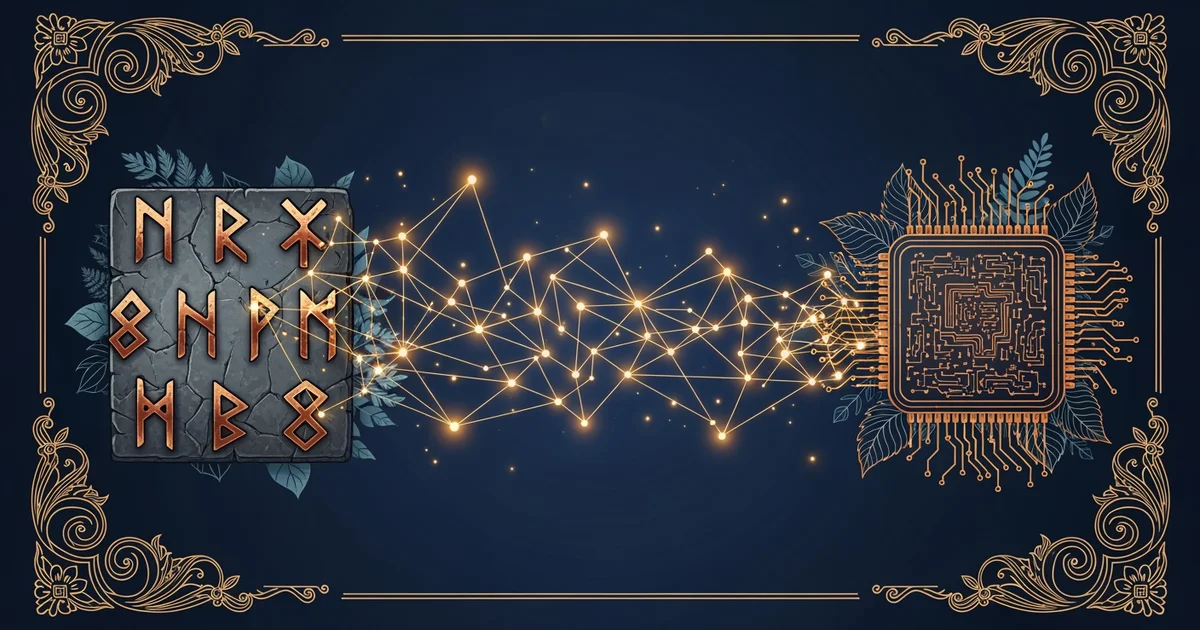
Empowering Local Language Experts
Effective language documentation requires more than just high-quality microphones and fast computer processors to gather data. The most successful projects treat native speakers as equal partners who hold the final authority over how their voice data is processed. These experts provide the context that machines lack, such as identifying when a certain dialect is appropriate for formal ceremonies versus daily household chores. By centering the project on community needs, developers create tools that feel like a helpful extension of the culture. This partnership ensures that the digital records remain accurate and respectful to the people who own the language.
Key term: Community Collaboration — a partnership model where local speakers lead the design and management of language preservation projects.
When we compare this to a construction project, the community acts as the architect while the AI acts as the builder. The builder possesses the speed and strength to assemble the structure, but the architect provides the blueprints that define the home. If the builder works without the architect, the house might be sturdy but completely unsuited for the family living inside. This analogy shows why community input must come first in any documentation project. Relying on outside developers to guess the needs of a community leads to wasted effort and poor results.
Implementing Collaborative Research Methods
Facilitating community-led research means shifting the power balance so that speakers control the flow of information. Researchers must establish clear protocols that define who owns the data and how it can be shared with the public. This process builds trust and encourages more people to participate in the documentation of their own heritage. The following steps outline how groups can organize their collaborative efforts effectively:
- Establishing a local steering committee ensures that all decisions reflect the values of the community members involved.
- Creating clear data ownership agreements protects sensitive cultural knowledge from being used in ways the community does not approve.
- Training local youth to manage the technical software bridges the gap between traditional knowledge and modern digital preservation tools.
- Conducting regular review sessions allows elders to verify the accuracy of the AI transcriptions before they are finalized.
These strategies help maintain the integrity of the language while utilizing the efficiency of modern machine learning systems. When the community manages the research, the resulting database becomes a living record that grows with the people. This approach prevents the language from becoming a static museum piece that nobody knows how to use. Instead, the documentation project becomes a tool that helps the language thrive in the modern world. By focusing on these collaborative methods, we ensure that artificial intelligence serves the speakers rather than just the machines.
True language documentation succeeds only when native speakers lead the design and control the use of their cultural data.
But this collaborative model faces significant challenges when communities lack the funding or technical training to maintain complex digital systems.