
Field Work Integration
When a field linguist arrived in a remote village in the Andes during the late nineties, they spent months manually transcribing every word spoken by elders. This slow process often meant that many stories vanished before the researcher could even finish their first notebook. Today, the integration of digital tools changes that dynamic entirely by allowing for rapid data capture in real-time environments. You can now use portable hardware to record and process language data while you sit directly with community speakers. This shift from manual logging to digital capture represents a major leap in how we document endangered speech patterns.
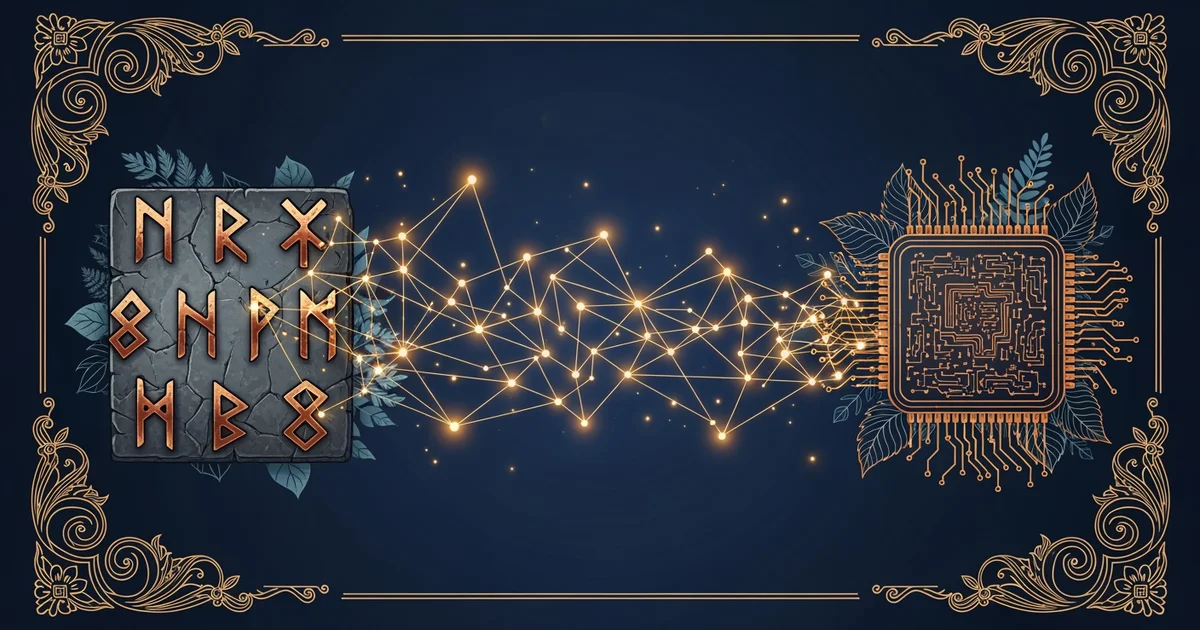
Using Artificial Intelligence for Real-Time Transcription
Modern field work relies on automated speech recognition to bridge the gap between spoken words and written records. This tool functions like a digital scribe that listens to audio and converts it into text instantly as the conversation unfolds. Think of it as a high-speed translator that works alongside you to ensure no nuance is lost during the session. While the software works, you must monitor the output to ensure the machine captures rare dialects accurately. By catching errors early, you save hours of tedious correction work later in the lab. This is the practical application of the data management techniques we explored in Station ten.
Key term: Automated speech recognition — a technology that uses algorithms to convert human speech into written text in real time.
To ensure your field work remains effective, you should follow these essential steps when using AI tools during your sessions:
- Calibrate your microphones in the specific environment to reduce background noise which often interferes with clear voice capture.
- Review the generated text transcripts immediately while the speaker is still present to confirm that technical terms remain correct.
- Tag your audio files with metadata that identifies the speaker and the context to make future analysis much easier.
- Use portable power banks to keep your devices running during long recording sessions in areas that lack electrical outlets.
Optimizing Field Hardware for Language Preservation
Effective documentation requires more than just software because your physical hardware choices dictate the quality of your incoming data. Using high-fidelity recording equipment alongside AI processing ensures that the machine receives the cleanest possible signal for its analysis. Without a clear signal, the software might misinterpret a unique vowel sound as a common error. This creates a feedback loop where the machine learns from bad data and continues to make the same mistakes. You must balance the need for mobility with the requirement for professional audio quality to succeed in the field.
| Equipment Type | Primary Function | Field Benefit |
|---|---|---|
| Directional Mic | Captures focused audio | Reduces ambient noise |
| Tablet Interface | Displays live transcripts | Allows instant editing |
| Portable Storage | Saves raw audio files | Prevents data loss |
| External Battery | Powers gear all day | Extends work sessions |
This table highlights the tools needed to maintain high standards during your documentation process. By choosing the right gear, you create a stable foundation for the AI to perform its tasks correctly. When the hardware works well, the software provides reliable transcripts that accurately reflect the speaker's original intent. This synthesis of hardware and software creates a powerful system for saving languages that are currently at risk of disappearing. Always remember that the technology serves the speaker rather than the other way around. Your role as a human guide remains critical for interpreting the cultural context that machines cannot fully grasp on their own.
Reliable language documentation requires a seamless blend of high-quality audio hardware and responsive software to capture speech accurately in the field.
But this model breaks down when community members feel uncomfortable with the presence of digital recording technology during sensitive cultural ceremonies.