
Future Legal Trends
Imagine a world where digital art creates itself through complex machine learning models that evolve daily. You own a unique digital file, but the law struggles to define if the machine or the human user truly owns the underlying creative spark. This tension defines the future of intellectual property as we move into a landscape where human effort and automation blur together. Legal experts now debate how to protect creators when the tools they use become more intelligent than the artists themselves. We must look at how these shifts will change our fundamental understanding of ownership and creative control.
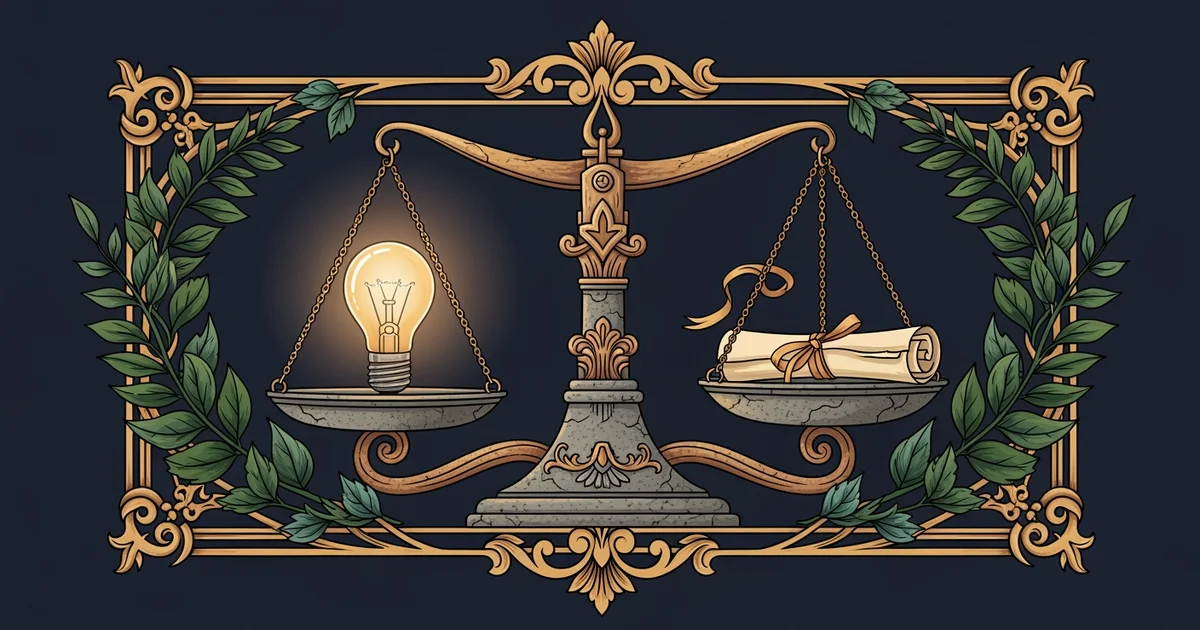
The Evolution of Creative Ownership
Existing legal frameworks rely heavily on the idea that humans provide the essential spark for protected works. Under US federal law, copyright protection requires a human author to qualify for legal status. As we integrate artificial intelligence into our daily workflows, this requirement faces intense pressure from new technologies. If an algorithm generates a complex design based on a simple prompt, the law must decide who holds the rights. This mirrors the transition from manual labor to assembly lines, where the focus shifted from the individual craftsman to the owner of the machinery. We now face a similar shift where the owner of the software might claim rights over the machine-generated output.
Key term: Algorithmic Authorship — a legal concept describing works created by software systems with minimal human intervention, challenging traditional definitions of intellectual property.
We must consider how this changes the balance between the creator and the consumer of digital goods. In previous stations, we explored the ethics of ownership and the need for exclusive control over our ideas. These concepts now collide with the reality of automated production, where the barrier to entry for content creation drops significantly. If everyone can generate high-quality works instantly, the value of traditional copyright may shift toward authentication and identity rather than mere production. The legal system will likely prioritize verifying the human origin of a work to maintain its market value and cultural significance.
Forecasting Legislative Shifts
Legislators are currently exploring new ways to manage the rapid pace of technological change in property law. Future laws will likely focus on the intent behind the creation rather than the final output alone. We can expect several key trends to emerge as courts refine these rules:
- Human-Centric Authentication: Laws will require creators to prove significant human involvement in the generation of complex intellectual property assets to ensure that only unique human efforts receive full protection.
- Automated Licensing Systems: Blockchain technology will likely enable real-time tracking of digital assets, allowing for instant royalty payments that bypass traditional, slow-moving legal intermediaries and bureaucratic processes.
- Standardized Global Protocols: International treaties will likely harmonize property rights across borders to address the borderless nature of digital goods, preventing conflicts between different national legal systems.
These changes will require a move away from static rules toward dynamic, adaptive regulations that evolve alongside the technology. Just as a gardener prunes a hedge to guide its growth, legislators must guide the growth of intellectual property law without stifling the innovation that drives our economy. The challenge lies in creating a system that protects the human spirit while allowing machines to act as efficient assistants. We must ensure that the legal protections of the future do not accidentally punish the very creators they were originally designed to support. If we fail to adapt, we risk a system where the law becomes an obstacle to progress rather than a foundation for it.
This final station highlights the ongoing tension between human ingenuity and machine efficiency in the legal sphere. The future of property law will depend on our ability to distinguish between tools that assist us and entities that replace our creative contributions. By understanding these trends, we can better prepare for a world where our intellectual contributions require new forms of verification and protection. Intellectual property remains a vital tool for incentivizing human progress, provided the law evolves to recognize the changing nature of how we build and imagine our future.
True ownership in the future will depend on our ability to verify human intent within an increasingly automated creative process.
Understanding the future of intellectual property law allows creators to protect their work while adapting to new technological realities. This content is educational only and does not constitute legal advice. Laws vary by jurisdiction. Consult a qualified legal professional for advice specific to your situation.