
Historical Legal Origins
Imagine you spent hours building a detailed sandcastle, only for a stranger to walk up and claim it as their own. Without a clear set of rules to define your hard work, you would have no way to stop them from taking credit for your effort. This tension between personal creation and public access forms the bedrock of how societies manage ideas. Legal systems have spent centuries trying to balance the rights of the individual creator against the needs of the wider community. Understanding these origins helps us see why we protect things that cannot be touched or held.
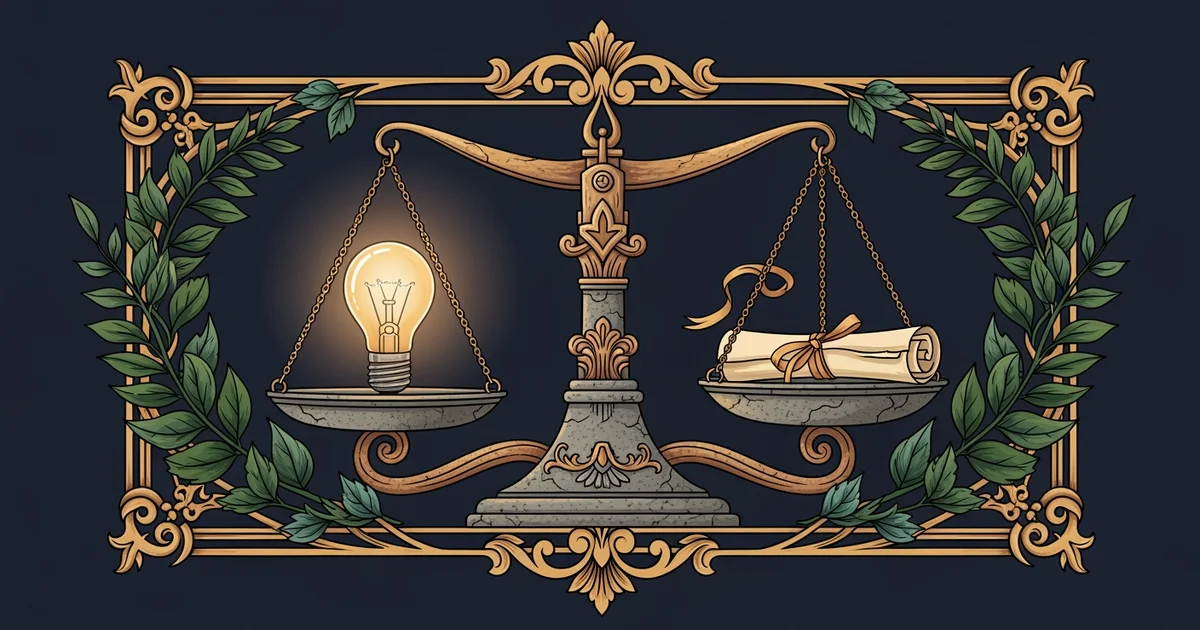
The Evolution of Early Ownership
Early societies focused primarily on physical objects like land, tools, or harvested crops because these items were tangible and easy to track. As trade expanded across ancient civilizations, the need for formal systems to track who owned what became essential for avoiding constant conflict. Under many ancient legal codes, ownership was tied directly to physical possession, meaning you only truly owned what you could defend or hold. This primitive approach worked well for simple farming communities but failed when people began to trade complex ideas or specialized manufacturing methods.
Key term: Intellectual Property — a category of law that protects intangible creations of the human mind, such as inventions, designs, or artistic works.
As economies became more sophisticated, rulers realized that rewarding creators encouraged more innovation, which benefited the entire kingdom. They began granting exclusive privileges to inventors, allowing them to profit from their new machines or processes for a set period. This shift marked a transition from protecting only physical items to recognizing the value of mental labor. Think of it like a gardener who owns the fruit from the tree they planted, even if they do not own the entire forest. The law began to treat the idea as the fruit and the effort of the creator as the act of planting.
Developing Systems for Intangible Assets
Legal structures had to adapt quickly once people started sharing information across long distances through trade routes. In early common law jurisdictions, the courts struggled to define how someone could own an idea that could be copied by anyone who saw it. They eventually developed a framework that granted a temporary monopoly to the creator in exchange for eventually sharing the knowledge with the public. This trade-off ensures that the inventor gets a fair reward while society eventually gains access to the new technology.
To manage these rights, legal systems categorized creations based on their purpose and their impact on the economy:
- Patents protect functional inventions by granting the owner exclusive rights to make, use, or sell the discovery for a limited time, which encourages the inventor to disclose how the technology works to the public.
- Copyrights secure original artistic or literary works by preventing others from copying the expression of an idea, which allows authors and artists to control how their creative output is shared or sold.
- Trademarks safeguard brand identity by preventing competitors from using similar names or symbols, which helps consumers distinguish between the products of different companies and protects the reputation of the business.
This division of rights allows different types of creators to seek the specific protection that matches their work. By separating these categories, the law provides a clear path for inventors, writers, and business owners to secure their contributions. The table below highlights how these early legal shifts addressed different needs within the marketplace.
| Right Type | Primary Focus | Goal of the Law |
|---|---|---|
| Patent | New inventions | Reward innovation |
| Copyright | Artistic work | Protect expression |
| Trademark | Brand identity | Prevent confusion |
These distinctions remain vital today because they prevent the legal system from becoming a chaotic mess of overlapping claims. By clearly defining what constitutes an invention versus an artistic expression, the law keeps the marketplace running smoothly for everyone involved. We continue to rely on these historical categories to resolve disputes when new technologies emerge in our modern digital landscape. This structure provides the stability needed for creators to invest their time and money into projects that might otherwise be stolen by others without consequence. Why do we still value these old categories when technology changes so rapidly?
Historical property laws evolved from protecting physical goods to securing intangible ideas by creating a fair trade-off between individual rewards and public progress.
The next step in our journey explores the specific requirements and modern applications of patent law essentials.
This content is educational only and does not constitute legal advice. Laws vary by jurisdiction. Consult a qualified legal professional for advice specific to your situation.