
Defining Intellectual Property
Imagine you spend all morning painting a beautiful picture, only to find someone else selling copies of it online without your permission. This scenario highlights why society creates rules to protect the things we dream up and build with our own minds. Intellectual property acts as a legal shield, ensuring that creators maintain control over their original work and ideas. Without these protections, people might be discouraged from inventing new tools or creating art because others could simply steal their efforts for profit.
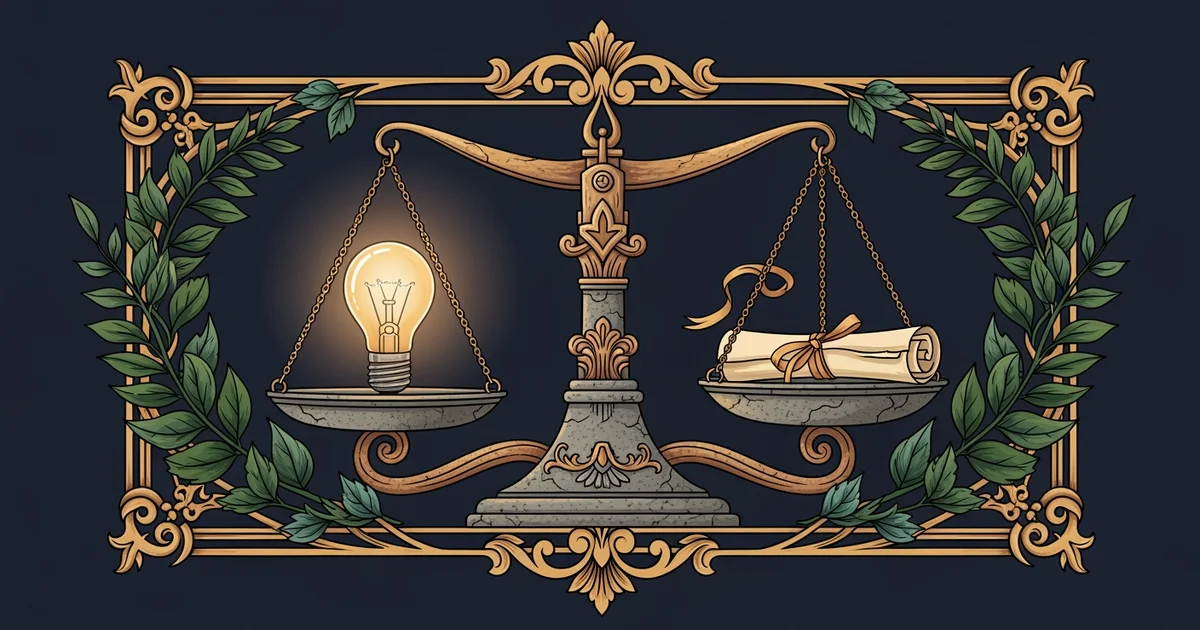
The Four Pillars of Ownership
In most common law jurisdictions, the legal system organizes these protections into four distinct categories to manage different types of creations. Think of these categories like different types of locks on a door, where each lock serves a specific purpose to keep your belongings safe from unauthorized access. You can imagine your creative output as a house, where you need different security measures for the physical structure, the blueprints, the brand name, and the secret recipes inside. By using these tools, creators gain the power to decide who uses their work and how they get compensated for that usage.
Key term: Intellectual Property — the legal category that covers intangible creations of the human mind such as inventions, literary works, designs, symbols, and images.
These four pillars provide a framework for how the law views various types of human innovation and artistic expression:
- Patents protect new inventions or technical processes by granting the owner exclusive rights to make or sell the invention for a set time, which encourages inventors to share their discoveries with the public.
- Copyrights cover original artistic and literary works like books, music, or films, ensuring that creators control how their expressions are copied, distributed, or performed by others.
- Trademarks safeguard brand identifiers such as logos, slogans, and names, allowing consumers to distinguish between different companies so they know exactly who made the products they buy.
- Trade Secrets involve confidential business information like recipes or manufacturing processes that provide a competitive advantage, protected by keeping the details hidden from the public eye.
Balancing Public Access and Private Gain
While these protections help creators, the law also seeks to balance individual rights with the needs of the community. If a patent lasted forever, for example, no one else could ever improve upon a technology, which would eventually stifle human progress. Instead, these legal frameworks set time limits on most protections, eventually allowing these ideas to enter the public domain for everyone to use freely. This balance ensures that creators get a fair reward for their hard work while also allowing society to benefit from shared knowledge over time.
| Type | Primary Purpose | Examples |
|---|---|---|
| Patent | Protects inventions | Machines, chemicals, processes |
| Copyright | Protects expression | Novels, songs, movies |
| Trademark | Protects identity | Brand logos, company names |
| Trade Secret | Protects secrets | Secret recipes, client lists |
Understanding these categories helps you see the world of commerce and art through a different lens. You can identify why companies fight so hard to protect their logos or why inventors apply for official government documents to secure their new gadgets. This foundation will help you explore why ownership matters throughout the rest of this learning path. By the end of this journey, you will understand how these laws shape the economy and influence the way we interact with technology and culture every single day. This content is educational only and does not constitute legal advice. Laws vary by jurisdiction. Consult a qualified legal professional for advice specific to your situation.
Legal frameworks for intellectual property provide creators with exclusive control over their unique inventions and expressions to encourage further innovation.
The next station explores the deeper purpose of ownership and why these legal rights are so essential for a functioning society.