
The Purpose of Ownership
Imagine you spend months building a unique wooden chair in your garage, only to find a neighbor selling identical copies for half your price. This situation creates a clear frustration because your hard work and personal time have been used by someone else for their own profit. Ownership exists to stop this exact kind of unfair outcome by granting you the power to control your own creation. When society protects your right to own what you build, it encourages you to keep creating more useful things for everyone. Without these protections, most people would stop investing their limited time and money into new inventions or creative projects.
The Economic Value of Exclusive Control
Legal systems provide creators with exclusive rights because they want to reward the effort required to produce something new. If you build a new tool, you expect to benefit from the sales of that tool to cover your costs. When the law stops others from copying your work, you gain the security needed to take risks. This security acts like a fence around your garden, keeping others from taking the fruit you spent months watering and protecting. You can then trade that fruit fairly or use it to grow your business into something larger. This system turns creative labor into a valuable form of property that you can trade, sell, or rent to others.
Key term: Exclusive rights — the legal authority granted to a creator that allows them to control how their original work is used or sold.
This structure serves as a powerful engine for progress in any modern economy. By ensuring that creators maintain control, the legal system encourages a cycle of constant improvement and new discovery. People are much more likely to spend years developing a complex solution if they know the result belongs to them. This creates a competitive market where everyone tries to build the best version of a product. Society benefits because we get more inventions, better art, and more efficient tools than we would have without these legal safeguards.
Balancing Individual Gain With Public Progress
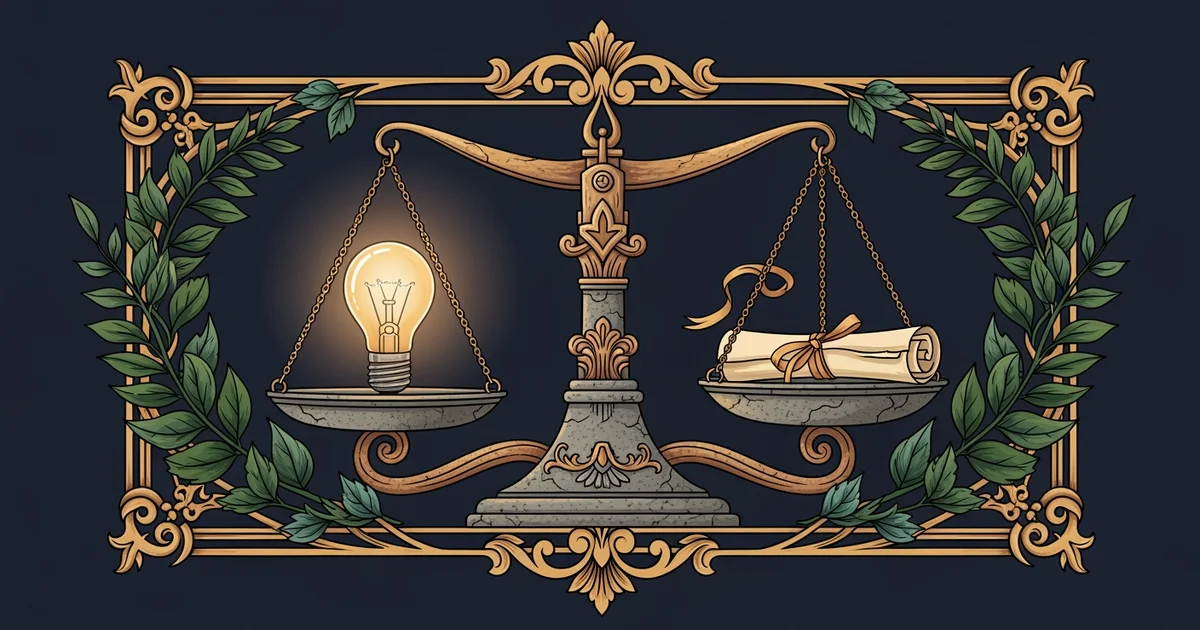
While creators deserve rewards, the law must also ensure that society eventually gains access to these ideas. If ownership lasted forever, new people could never build upon old inventions to create something better. This tension creates a balance between protecting the creator and helping the public move forward over time. The following list explains why this balance is essential for a healthy society:
- Giving creators a period of control ensures they recover their investment costs while they continue to develop new and better projects for the market.
- Allowing ideas to become public after a set time encourages others to innovate by using existing knowledge as a starting point for new work.
- Providing clear rules for ownership reduces the number of arguments between people who might otherwise claim the same idea at the exact same time.
Under most common law jurisdictions, these rules serve to harmonize the needs of the individual with the needs of the general population. This framework recognizes that while you should own what you build, the progress of our entire culture depends on the free flow of ideas. It is a delicate dance between rewarding your personal effort and ensuring that the world keeps growing. By granting you a limited period of control, the law makes sure you are paid for your work while keeping the future open for others to contribute their own unique ideas. This approach maintains a steady stream of innovation that benefits everyone in the long run.
This content is educational only and does not constitute legal advice. Laws vary by jurisdiction. Consult a qualified legal professional for advice specific to your situation.
The legal protection of creative work serves as an essential economic incentive that motivates individuals to innovate while simultaneously fueling the long-term growth of society.
The next station will explore the historical legal origins that first established these rules for ownership.
This content is educational only and does not constitute legal advice. Laws vary by jurisdiction. Consult a qualified legal professional for advice specific to your situation.