
Patent Law Essentials
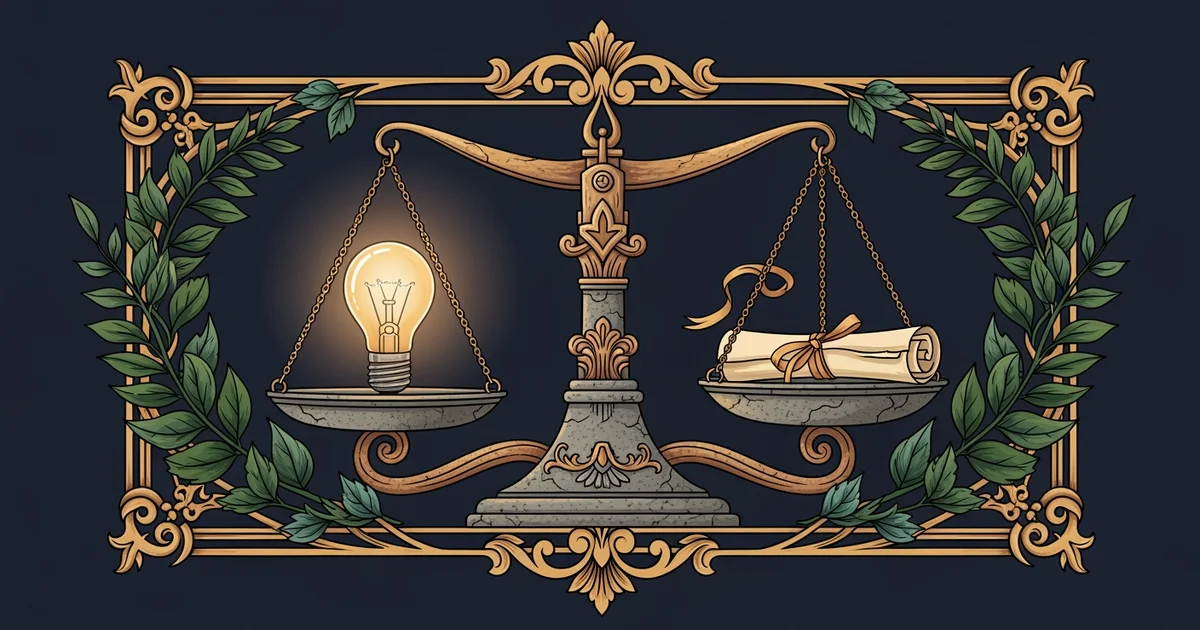
Imagine you spend months building a unique machine that harvests rainwater with perfect efficiency. Without legal protection, a massive company could copy your exact design tomorrow and sell it for profit. You would lose your hard work and your chance to earn money from your creation. This is exactly why patent law exists in most modern nations today. Under United States federal law, a patent grants an inventor the exclusive right to exclude others from making or selling their invention. It acts as a legal fence around your intellectual property, ensuring that your time and mental energy remain yours alone. This system encourages innovation by promising that creators can control their work for a specific period of time. Without this protection, inventors might keep their ideas secret, which would slow down the progress of technology and science for everyone. The patent system balances your private rights against the public need for new tools and better ways of doing things.
Distinguishing Between Patent Types
Now that you understand why protection matters, we must look at the two main categories of patents. You might think all inventions are the same, but the law treats functional machines and visual styles very differently. A utility patent covers the way an article works, functions, or is manufactured. If you invent a new engine that uses less fuel, you seek this type of protection. In contrast, a design patent covers the unique visual appearance of a functional object. If your fuel-efficient engine has a sleek, iconic shape that makes it stand out, that shape might qualify for this second type. Think of it like buying a high-end smartphone. The internal processor and software functions are protected by utility patents. The specific, recognizable curve of the glass and the placement of the buttons fall under design patents. These two categories ensure that both the internal technology and the external identity of a product receive appropriate legal coverage.
Key term: Utility patent — a legal grant that protects the functional aspects, methods, or processes of a new invention.
To help you visualize how these categories interact, consider the following breakdown of patent characteristics:
- Utility patents protect the mechanical processes and internal components that allow a device to perform its intended task effectively.
- Design patents focus exclusively on the ornamental features or the aesthetic look that gives a product its unique visual character.
- Both categories require the invention to be new and original compared to anything that existed in public before the filing.
- The duration of these protections differs significantly because the law recognizes that functional advances and visual styles hold value differently.
The Role of Intellectual Property
When you apply for these protections, you must clearly show how your invention differs from what already exists. The legal system requires you to disclose how your invention works in exchange for your exclusive control. This exchange is the heart of the patent bargain. The public gets to learn about your invention, and you get a temporary monopoly to profit from it. If you fail to explain your invention clearly, the government will reject your application to protect the public interest. This process ensures that patents are not just used to block others, but to share knowledge that helps society grow. Just as a builder must follow blueprints to construct a house, an inventor must follow strict legal guidelines to secure a patent. If you do not follow these steps, your invention remains vulnerable to anyone who wants to copy your design or function. Understanding these basics is the first step toward protecting your own creative future. The next Station introduces copyright fundamentals, which determines how creative works like art and writing are protected.
This content is educational only and does not constitute legal advice. Laws vary by jurisdiction. Consult a qualified legal professional for advice specific to your situation.
Patent law provides a legal framework that balances an inventor's right to profit with the public's need for accessible technological knowledge.
The next Station introduces copyright fundamentals, which determines how creative works are protected.