
Enforcement Mechanisms
Imagine you spent months building a unique wooden chair, only to find a stranger selling exact copies online for half your price. You possess the legal rights to your design, but those rights remain useless unless you have a way to stop that person from selling your work. Enforcement serves as the shield that protects your creative labor from unfair exploitation by others. Without effective mechanisms to defend your interests, intellectual property laws would exist only as suggestions rather than binding rules.
The Role of Courts in Protecting Assets
When someone violates your rights, the court system acts as the primary venue for resolving these disputes in most jurisdictions. You must present evidence to a judge that proves you own the work and that the other party copied it without your permission. The court then reviews the facts to determine if a violation occurred under established legal standards. If the judge finds that infringement happened, they may issue an injunction to force the infringer to stop their activities immediately. This process ensures that owners have a reliable path to defend their creations against unauthorized use by third parties.
Key term: Injunction — a formal court order that requires a person or business to stop performing a specific act that violates another party's legal rights.
Think of the court system like a referee in a professional sports game who enforces the rules of play. If one player breaks the rules to gain an unfair advantage, the referee intervenes to penalize that behavior and restore fairness. Similarly, the court steps in when an infringer gains an unfair market advantage by stealing your ideas or designs. The court provides the authority needed to stop the unfair behavior, just as a referee provides the authority needed to keep the game honest.
Tools for Legal Defense and Resolution
Beyond simply stopping the behavior, legal systems provide various tools to address the harm caused by unauthorized use. Owners often seek financial compensation, known as damages, to cover the money they lost while the infringer sold their work. You might also pursue a settlement before reaching a full trial to save time and money. The following methods represent common ways that creators enforce their rights against those who misuse their protected assets:
- Civil litigation allows creators to sue for damages, which forces the infringer to pay for any lost profits or harm caused by their actions during the unauthorized period.
- Administrative actions let owners report infringement to online platforms or government agencies, which can lead to the rapid removal of stolen content without requiring a full court trial.
- Cease and desist letters serve as a formal warning to the infringer, which often encourages them to stop their activities voluntarily to avoid the high costs of a legal battle.
These mechanisms work best when you have clear documentation of your ownership, such as registration records or dated design files. When you clearly demonstrate your legal standing, infringers are more likely to comply with your demands before the situation escalates. This proactive approach helps you maintain control over your creative output while minimizing the need for expensive or time-consuming courtroom interventions.
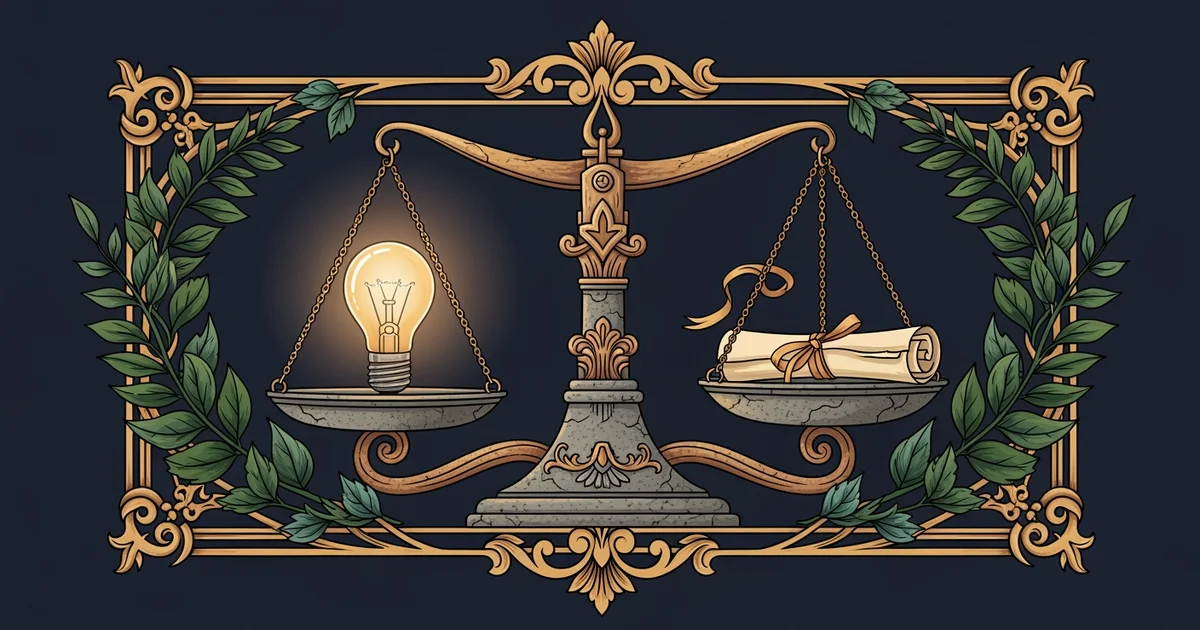
Legal enforcement requires a balance between protecting your individual rights and ensuring that the public can still access ideas for inspiration. Courts must weigh your specific claims against the broader interests of fair competition and innovation within the marketplace. When you understand these mechanisms, you can defend your work with confidence and clarity. This knowledge empowers you to act decisively when your rights face a genuine threat from competitors or unauthorized users.
This content is educational only and does not constitute legal advice. Laws vary by jurisdiction. Consult a qualified legal professional for advice specific to your situation.
Effective enforcement turns abstract legal rights into practical tools that shield your creative work from unauthorized exploitation.
But what does it look like in practice when you need to negotiate these terms with a partner?