
Copyright Fundamentals
Imagine you spend weeks painting a beautiful landscape, only to find a stranger selling prints of your work online the next day. You feel a sense of unfairness because your hard work was taken without your permission or any compensation. This frustration highlights the core purpose of copyright, which provides legal protection for original creative works. Under US federal law, copyright grants creators exclusive rights to control how their unique expressions are used, shared, or adapted by others. This system ensures that artists, writers, and musicians retain the power to decide how their creations reach the public.
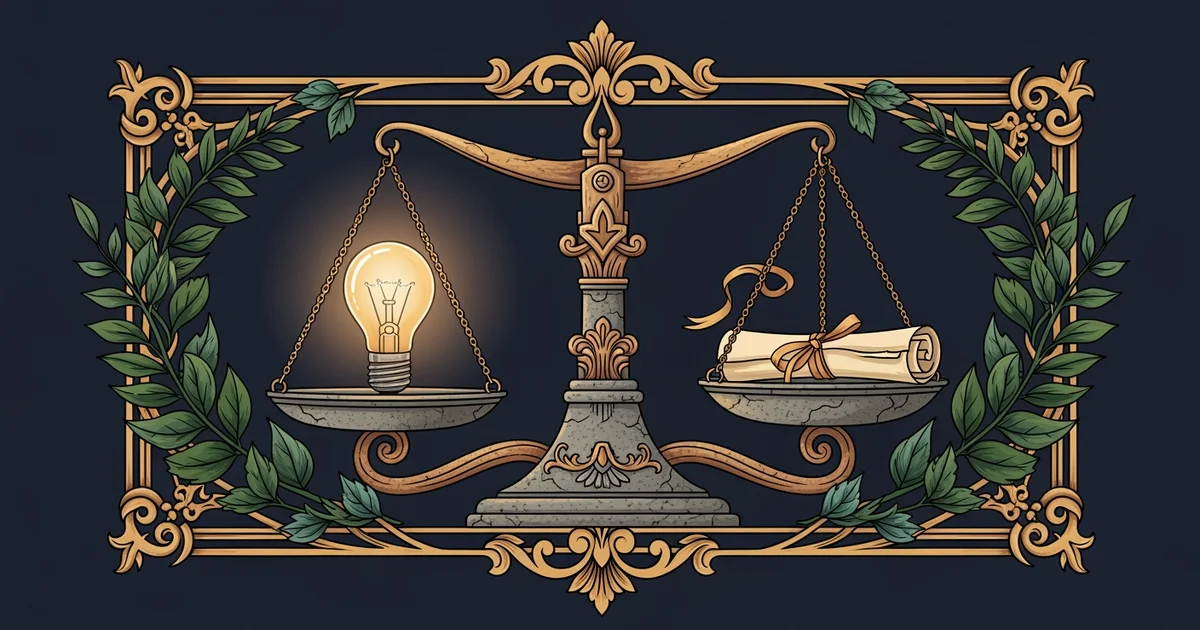
Understanding Creative Protection
Now that you understand why creators need protection, we must define what qualifies for these specific legal rights. Copyright covers original works of authorship that are fixed in a tangible medium of expression. This means your idea must exist in a permanent form, such as a physical canvas, a digital file, or a written manuscript. A fleeting thought in your head cannot be protected, but the moment you write it down, it gains automatic legal status. This protection is essentially like putting a fence around your private garden to keep others from picking your flowers without asking you first.
Key term: Tangible medium — the physical or digital form where a creative work is stored so it can be perceived or reproduced later.
To help you grasp the scope of these protections, consider the following list of creative works that typically qualify for copyright status:
- Literary works like novels, poems, or essays that express complex ideas through structured language and narrative flow.
- Musical compositions including the melody and lyrics, which represent the unique artistic vision of the songwriter.
- Visual arts such as paintings, photographs, or sculptures that provide a distinct aesthetic experience for the viewer.
- Dramatic works like plays or screenplays that organize characters and dialogue into a coherent performance structure.
These categories demonstrate that copyright focuses on the expression of an idea rather than the idea itself. You cannot copyright the concept of a boy who discovers he is a wizard, but you can copyright your specific book about that boy. This distinction allows for a competitive marketplace where different creators can explore similar themes without infringing on one another. By protecting the specific way a story or song is told, the law encourages people to invest their time in producing new and innovative content.
The Scope of Creative Ownership
Building on this foundation, we must examine how these rights function in practice when someone wants to use your work. When you hold the copyright, you possess a bundle of exclusive rights that include the power to reproduce, distribute, and perform your work publicly. If a company wants to use your song in a commercial, they must seek your permission and often pay a licensing fee. This economic reality allows creators to earn a living from their craft, which sustains the ongoing production of art and information in our society.
| Right | Description | Practical Application |
|---|---|---|
| Reproduction | Making copies of the work | Printing books or burning CDs |
| Distribution | Selling or lending copies | Opening an online store or shop |
| Performance | Showing the work publicly | Playing music at a live concert |
This table illustrates that ownership is not just about keeping things hidden, but about managing how the work interacts with the public. You can choose to sell your rights, give them away, or license them for specific uses. This flexibility is what makes the copyright system function effectively for both the creator and the general public. Without these clear rules, the risk of theft would discourage people from sharing their talents with the world. By maintaining this balance, the law supports a vibrant culture of creativity and shared knowledge across many different industries.
Copyright grants creators exclusive legal control over the specific expression of their ideas once they are recorded in a permanent form.
The next Station introduces Trademark Identity, which determines how brand names and logos are protected in the marketplace.
This content is educational only and does not constitute legal advice. Laws vary by jurisdiction. Consult a qualified legal professional for advice specific to your situation.