
Ethics of Ownership
Imagine you spend weeks building a complex digital sculpture only to find someone else selling copies for profit. Does your hard work give you a moral claim to control that digital file forever? This question sits at the center of how our society views creativity and the rights of those who innovate. We must look at why we grant these protections in the first place.
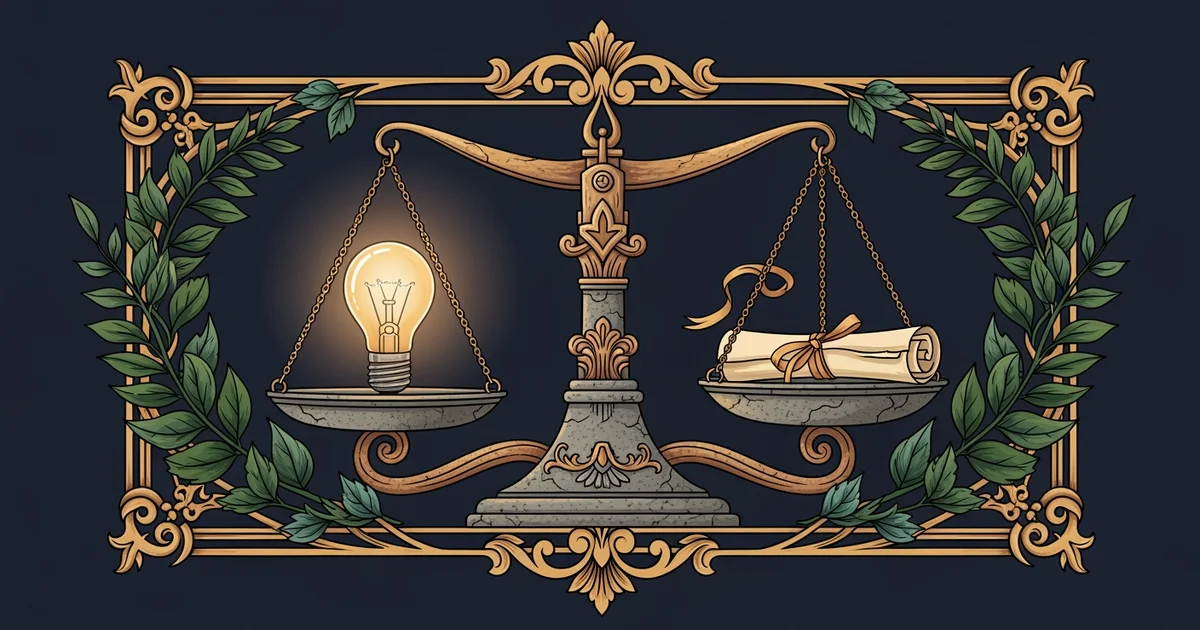
The Philosophical Basis for Ownership
Most legal systems, including those in the United States, ground property rights in the idea of labor and reward. When you invest time and mental energy into a project, you create something that did not exist before. This act of creation deserves a reward that encourages you to keep building. If others could simply take your work without permission, you would lose the incentive to produce new things. This concept, often called natural rights theory, suggests that the creator is the rightful owner of their output. It treats intellectual output like physical land or tools that a person has gathered. By protecting this output, the law ensures that creators can benefit from their own effort and talent.
However, this system creates a tension between private gain and the public good. If a creator holds onto their work too tightly, they might prevent others from learning or building upon those ideas. This is why most legal systems balance these rights with limits. For example, your exclusive control is not permanent. Eventually, your work enters the public domain where everyone can use it freely. This creates a cycle where innovation is rewarded while the collective knowledge of humanity continues to grow over time. Think of it like a library that allows authors to keep their books behind a desk for a set time. After that time passes, the books move to the shelves where everyone can read them for free.
Balancing Innovation and Access
We must consider how these rights interact with the broader community needs. Earlier stations discussed global treaties that harmonize how nations treat creative works. These agreements show that ownership is not just a local rule but a shared global value. Yet, the ethics of this ownership remain debated. If we treat every idea as a piece of property, we might accidentally lock away knowledge that could help solve global problems. This creates a conflict between the rights of the individual creator and the needs of society at large.
Key term: Public domain — the total body of creative works and inventions that are not protected by property laws and are free for anyone to use.
To manage this, legal systems use specific tools to define the scope of ownership. These tools help clarify what you can actually control versus what belongs to the public. Consider these three common mechanisms used to balance interests:
- Fair use exceptions allow researchers and teachers to use small parts of protected work without permission — this ensures that education and criticism can continue without needing constant legal clearance.
- Term limits place a definite end date on exclusive rights — this forces owners to share their work with the public eventually so that culture and science do not remain stuck.
- Compulsory licensing requires owners to let others use their work under set conditions in exchange for payment — this prevents a single owner from blocking progress in essential industries.
These mechanisms show that ownership is not an absolute "yes" or "no" but a flexible set of rules. We must ask if these rules still serve the public interest in a digital age. As technology makes it easier to copy and share, the old ways of thinking about property face new tests. We need to decide if current laws protect creators enough without stifling the next generation of thinkers. This brings us back to the foundation of why we control what we build. Is it to protect the person, or is it to ensure we have a rich world of ideas to share?
Exclusive control over creations serves as a vital incentive for progress while requiring careful limits to ensure that knowledge eventually benefits everyone.
The next station will explore how emerging technologies and new legal frameworks might change these rules in the coming decades.
This content is educational only and does not constitute legal advice. Laws vary by jurisdiction. Consult a qualified legal professional for advice specific to your situation.