
Future Trends in Propulsion
Imagine you are driving a car and you suddenly realize that the fuel gauge will never drop again because the energy source is constantly being replenished by the road itself. Modern vehicles rely on burning liquid fuel inside a metal box to create power, but this method faces limits regarding efficiency and environmental impact. As we look at the future of propulsion, we must consider how to move away from traditional combustion cycles while maintaining the power needed for heavy transport. Engineering is now shifting toward systems that prioritize electrification and hydrogen integration to replace the older, less efficient mechanical designs.
Advancing Beyond Traditional Combustion
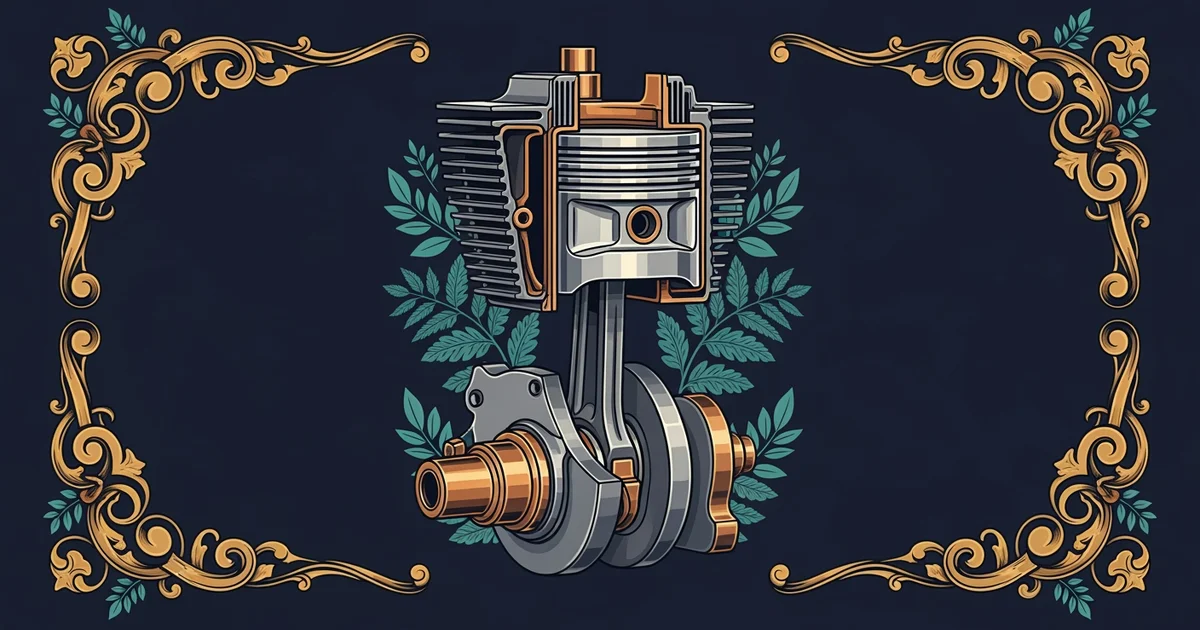
The fundamental challenge of burning fuel inside a metal box involves massive energy loss through heat and friction. In previous stations, we explored how system integration and control loops manage the timing of valves and pistons to keep the engine running smoothly. Future propulsion systems seek to eliminate these complex moving parts by using electric motors that provide instant torque without the need for a multi-stage combustion cycle. Think of this transition like moving from a manual typewriter to a digital word processor; both achieve the goal of writing, but the digital tool removes the mechanical struggle of physical keys and ink ribbons. By replacing heavy pistons and crankshafts with high-efficiency electric drivetrains, engineers can reduce the total weight of the vehicle while increasing the usable space for passengers or cargo.
Key term: Electric drivetrain — the collection of components including motors, batteries, and controllers that convert stored electrical energy into physical motion for a vehicle.
To achieve this, researchers are focusing on three main areas of development that improve how vehicles store and use power:
- Solid-state batteries provide higher energy density by using a solid electrolyte instead of a liquid one, which allows for faster charging and safer operation during long trips.
- Regenerative braking systems capture the kinetic energy usually lost as heat during deceleration, converting it back into electrical power to extend the driving range of the vehicle.
- Hydrogen fuel cell stacks generate electricity through a chemical reaction between stored hydrogen and oxygen from the air, emitting only water vapor as a byproduct instead of harmful exhaust gases.
Integrating New Propulsion Technologies
Transitioning to these new technologies requires a complete redesign of how we manage energy flow across the entire chassis. While traditional engines rely on mechanical linkages to deliver power to the wheels, future designs use distributed control systems where each wheel might have its own dedicated motor. This approach allows for precise handling and stability that would be impossible with a single central engine block. This shift highlights a tension between the reliability of established mechanical systems and the high performance of modern software-controlled hardware. We are moving toward a future where the engine is not a single metal box, but a network of smart components that communicate in real-time to optimize efficiency based on driving conditions.
| Technology Type | Primary Energy Source | Main Advantage | Complexity Level |
|---|---|---|---|
| Battery Electric | Lithium-ion Cells | Zero Emissions | Moderate |
| Hydrogen Fuel | Compressed Hydrogen | Fast Refueling | High |
| Hybrid Systems | Fuel and Battery | Range Flexibility | Very High |
As we look at the path from burning fuel to using clean energy, we see that the core mechanical principles of torque and rotation remain essential. The challenge for future engineers is to integrate these new power sources into existing vehicle architectures without compromising safety or performance. By combining the lessons learned from traditional engine control with new materials and energy storage methods, we create a more sustainable way to move heavy vehicles across long distances. This synthesis of old and new ideas ensures that we continue to innovate while respecting the physical limits of our environment.
Future propulsion systems prioritize the transition from mechanical combustion to software-managed electrical energy to achieve higher efficiency and lower environmental impact.
Understanding how these emerging technologies replace traditional combustion allows us to see the shift toward sustainable and highly efficient vehicle design.