
The Basics of Combustion Energy
Imagine you are holding a small, tightly sealed metal box filled with a very specific, highly flammable mist. If you were to introduce a tiny spark inside that box, the resulting explosion would push against the walls with surprising force. This simple event is the heartbeat of every modern vehicle you see on the road today. By capturing the energy from these tiny, controlled explosions, engineers turn heat into movement. This process seems like magic, but it follows very strict rules of physics that define how our world moves.
The Mechanics of Chemical Energy
To understand how a car moves, we must first look at how we store energy. Gasoline acts as a high-density fuel that holds a massive amount of chemical potential energy. When you pour fuel into a car, you are essentially loading a battery that runs on liquid chemistry. The engine acts as a converter that changes this stored chemical energy into physical force. Think of it like a spring that is coiled tight and waiting to release its tension. The fuel provides the tension, and the spark provides the trigger to let that energy go.
Key term: Combustion — the rapid chemical reaction between fuel and oxygen that releases heat and creates expanding gases.
This reaction requires three specific ingredients to happen inside the engine: fuel, oxygen, and a heat source. Without any one of these three elements, the engine will remain completely silent and still. The engine pulls in fresh air from the outside to provide the oxygen needed for the fire. It then mixes this air with a tiny amount of fuel to create a combustible vapor. This mixture is compressed into a tiny space so that the explosion is as powerful as possible when it finally occurs.
Converting Heat into Useful Motion
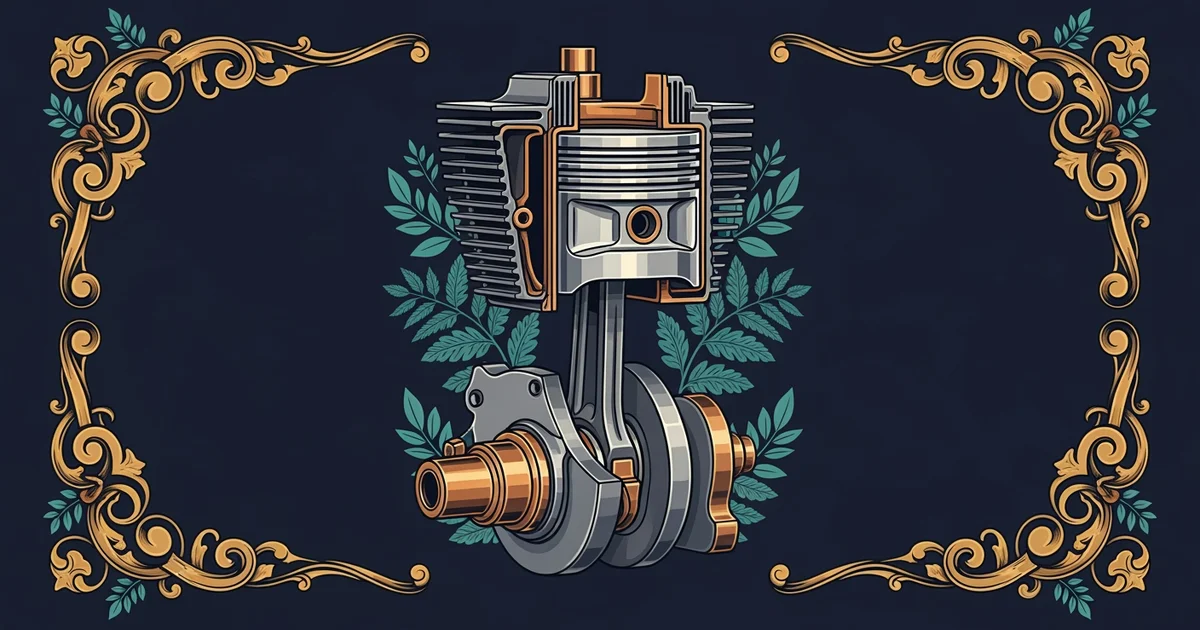
Once the mixture ignites, the chemical bonds in the fuel break apart and release a surge of heat. This heat causes the surrounding gas molecules to move much faster and push outward with great intensity. Because the metal box is designed with one movable wall, the pressure forces that wall to slide outward rapidly. This movement is the exact moment where heat energy transforms into mechanical work. You can see the main components of this conversion process in the list below:
- The Intake Phase: The engine draws in a precise mixture of fuel and air to prepare for the energy release, ensuring the blend is perfect for a clean burn.
- The Compression Phase: A piston squeezes the mixture into a very small volume, which makes the subsequent explosion much more powerful and efficient for the vehicle.
- The Power Phase: The spark ignites the mixture, creating hot gases that expand and push the piston downward, which turns the crankshaft to move the wheels.
- The Exhaust Phase: The engine pushes out the leftover gases to clear the chamber, which allows the entire cycle to start over again for the next movement.
This cycle happens thousands of times every single minute while you are driving down the road. The speed of these explosions is what creates the smooth, continuous flow of power to your tires. If the engine did not clear out the old gases, it would choke and stop working instantly. Managing this cycle requires perfect timing and precise engineering to ensure the car stays running smoothly.
| Process Step | Action Taken | Energy Change |
|---|---|---|
| Intake | Air and fuel enter | Chemical storage |
| Compression | Mixture is squeezed | Potential energy |
| Combustion | Spark ignites fuel | Heat to pressure |
| Exhaust | Gases leave engine | Waste removal |
The table above shows how the engine manages the flow of energy from raw fuel to motion. By repeating these steps, the car turns small, individual pulses of force into steady speed. You are now ready to learn how these individual events connect to form the full cycle that drives your vehicle forward through every mile of your journey.
The fundamental secret of automotive power is the conversion of chemical fuel into expanding heat energy that pushes mechanical parts into motion.
This foundation sets the stage for our next look at how the four-stroke cycle coordinates these movements to create consistent power.