
Compression and Pressure Physics
Imagine trying to squeeze a large, fluffy pillow into a tiny shoebox using only your bare hands. You feel the resistance grow stronger as the pillow occupies less space, forcing the trapped air molecules to collide against the walls of the box. This physical struggle illustrates how an engine manages the air-fuel mixture before ignition occurs. By forcing a large volume of gas into a small space, the engine prepares the mixture to release a massive amount of energy later.
The Mechanical Advantage of Compression
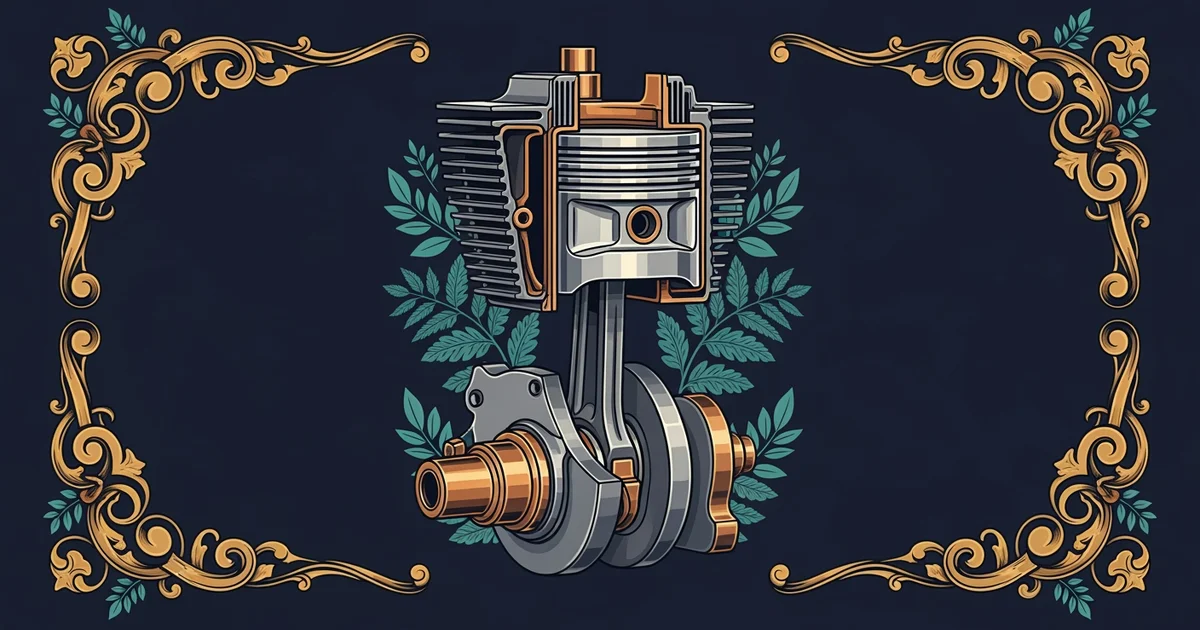
When a piston moves upward in a cylinder, it performs the vital task of compression, which is the act of reducing the volume of a gas. This action forces the air and fuel molecules into a much tighter space than they occupied before. As these molecules cluster together, they bump into each other with increasing frequency and intensity. This constant movement generates heat, which makes the mixture much more volatile and ready to explode. Think of this process like a coiled spring that stores potential energy, waiting for the right moment to release it all at once.
Key term: Compression — the physical process of reducing the volume of a gas to increase its internal pressure and temperature.
Efficient engines rely on this pressure to ensure that every drop of fuel creates the maximum possible force. If the mixture remains spread out, the combustion process becomes weak, sluggish, and inefficient for moving heavy parts. By packing the molecules tightly, the engine ensures that the flame front travels rapidly across the entire chamber. This rapid spread of fire creates a sharp spike in pressure that pushes the piston down with significant strength. Without this tight packing, the engine would lose most of its power to heat dissipation and slow, incomplete burning.
Pressure Dynamics and Power Output
Once the mixture reaches its peak density, the pressure inside the cylinder reaches an extreme level. This pressure is not just a static state, but a dynamic force that defines the engine's capability. To understand the relationship between volume and force, consider how different engines manage this space:
| Engine Stage | Volume Status | Pressure Level | Energy Potential |
|---|---|---|---|
| Intake | Maximum | Low | Minimal |
| Compression | Minimum | High | Maximum |
| Power Stroke | Expanding | Very High | Extreme |
This table shows how the physical space inside the cylinder dictates the energy available for motion. During the compression phase, the engine reduces the volume to its absolute minimum, which brings the pressure to its peak. This high pressure serves as the foundation for the upcoming explosion. When the spark plug fires, the pressure jumps even higher, creating the force needed to turn the crankshaft. If the compression were lower, the pressure during the power stroke would also be lower, resulting in a weaker engine that struggles to move the vehicle forward.
Understanding this cycle reveals why engineering focuses so heavily on airtight seals and precise movements. A tiny leak in the cylinder would allow the pressurized gas to escape, causing a massive drop in power. Engineers design pistons and rings to maintain this seal, ensuring that the work done during compression is not wasted. Every cubic centimeter of space matters when you are trying to squeeze energy out of a chemical reaction. By mastering these pressure dynamics, designers create engines that are both powerful and efficient enough for daily use.
Increasing the density of the air-fuel mixture through compression allows the engine to release significantly more energy during the subsequent combustion event.
The next Station introduces the Power Stroke event, which determines how the high pressure created by compression turns into mechanical motion.