
Intake and Air Flow Dynamics
Imagine trying to sprint while breathing through a tiny coffee straw. Your lungs would struggle to pull in enough oxygen to keep your muscles moving at full speed. A car engine faces this exact same challenge when it tries to breathe during its daily operation. If the engine cannot pull in enough air, it cannot create the power needed to move the vehicle forward. The intake system acts as the lungs of the machine, ensuring that a steady flow of air reaches the cylinders at just the right moment. By managing how this air travels from the outside world into the heart of the engine, engineers ensure that the vehicle performs efficiently and reliably under various driving conditions.
Understanding the Intake Process
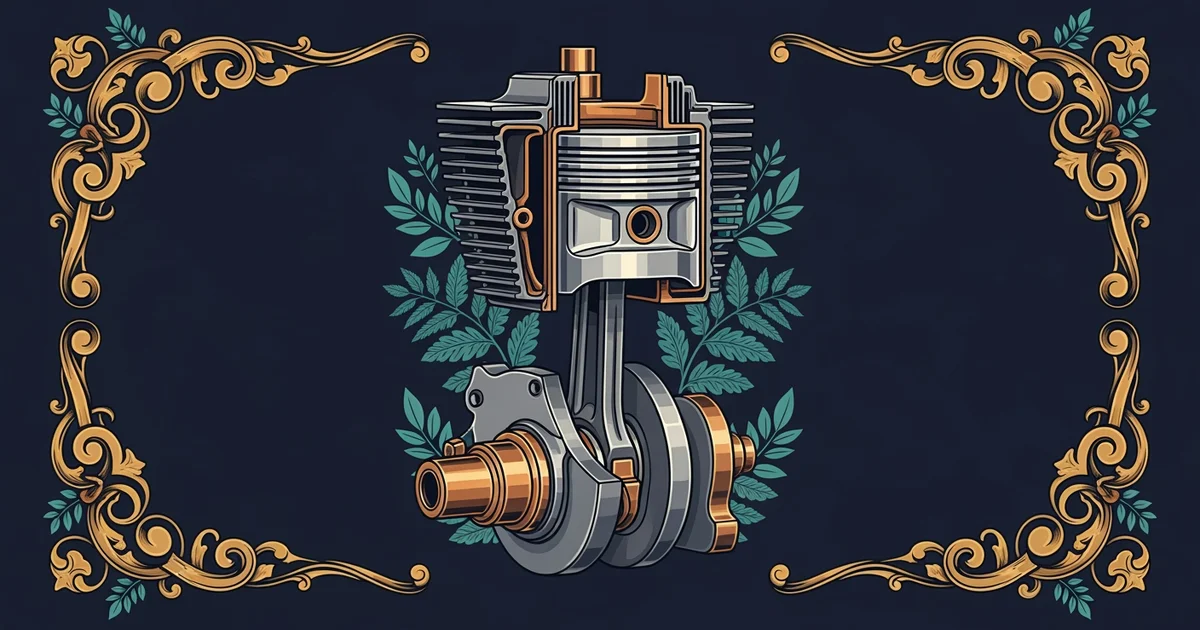
When the engine begins its cycle, the downward movement of the piston creates a vacuum inside the cylinder. This low-pressure area acts like a giant suction cup that pulls air through the intake manifold and into the combustion chamber. The intake valve opens at this precise moment to allow the air to rush inside. Think of this process like a chef adding ingredients to a mixing bowl before baking a cake. If the chef does not add enough flour or liquid, the recipe will fail to rise correctly. Similarly, the engine requires a specific mixture of air and fuel to create the explosion that generates mechanical power.
Key term: Intake manifold — the system of passages that distributes air to the intake ports of the engine cylinders.
As the air travels through the intake system, it must overcome obstacles like bends, valves, and narrow passages. These physical barriers create resistance that can slow down the speed of the incoming air. To maximize efficiency, engineers design these passages to be as smooth as possible, which helps the air flow without creating unnecessary turbulence. When air flows smoothly, it ensures that every cylinder receives an equal amount of oxygen for the combustion process. This consistency is vital for keeping the engine balanced and preventing vibrations that might damage internal components over long periods of operation.
Managing Air Flow Dynamics
Beyond just getting air into the cylinder, the engine must also manage the quality and temperature of that air. Cooler air is denser than warm air, meaning it contains more oxygen molecules in the same amount of space. By drawing in cooler air from outside the engine bay, the system ensures that the combustion event is as powerful as possible. This is why many performance vehicles feature specialized ducts that pull fresh air from the front of the car. The following factors influence how effectively the engine breathes during its operation:
- Air density dictates how many oxygen molecules are available for the fuel to burn, which directly changes the total power output of the engine.
- Valve timing determines the exact moment the intake port opens, allowing the engineers to synchronize air entry with the movement of the piston.
- Manifold pressure refers to the force exerted by the air inside the intake system, which helps determine how much air fills the cylinder during each cycle.
When we compare different types of engines, we can see how they prioritize air intake differently to achieve specific performance goals. The design of these systems often reflects the intended use of the vehicle, whether for fuel economy or for raw speed and acceleration.
| Engine Type | Intake Strategy | Primary Benefit |
|---|---|---|
| Economy | Narrow passages | Increased velocity |
| Performance | Wide passages | Higher volume |
| Balanced | Variable runners | Efficiency range |
By adjusting the shape and length of the intake runners, engineers can tune an engine to perform better at low or high speeds. This flexibility allows a single engine design to adapt to the changing needs of the driver on the road. The system constantly monitors these variables to ensure that the engine receives the optimal amount of air for every situation. This constant adjustment is what allows modern vehicles to balance power with environmental efficiency while maintaining a smooth ride for the passengers inside the cabin.
Efficient engine performance relies on the precise management of air intake volume and density to ensure optimal fuel combustion.
The next Station introduces compression and pressure physics, which determines how the engine squeezes the air and fuel mixture to prepare for ignition.