
Fuel Injection Technologies
When a driver presses the gas pedal in a modern vehicle, the engine must instantly adjust its fuel intake to maintain smooth performance. This process happens much faster than any human could manually manage with a traditional mechanical tool. Older vehicles relied on gravity and vacuum pressure to pull fuel into the cylinders, but this often led to wasted energy and uneven combustion. Modern systems now utilize advanced electronic components to manage this delivery with extreme precision. This shift from mechanical guessing to electronic calculation defines the transition from simple engines to high-performance machines.
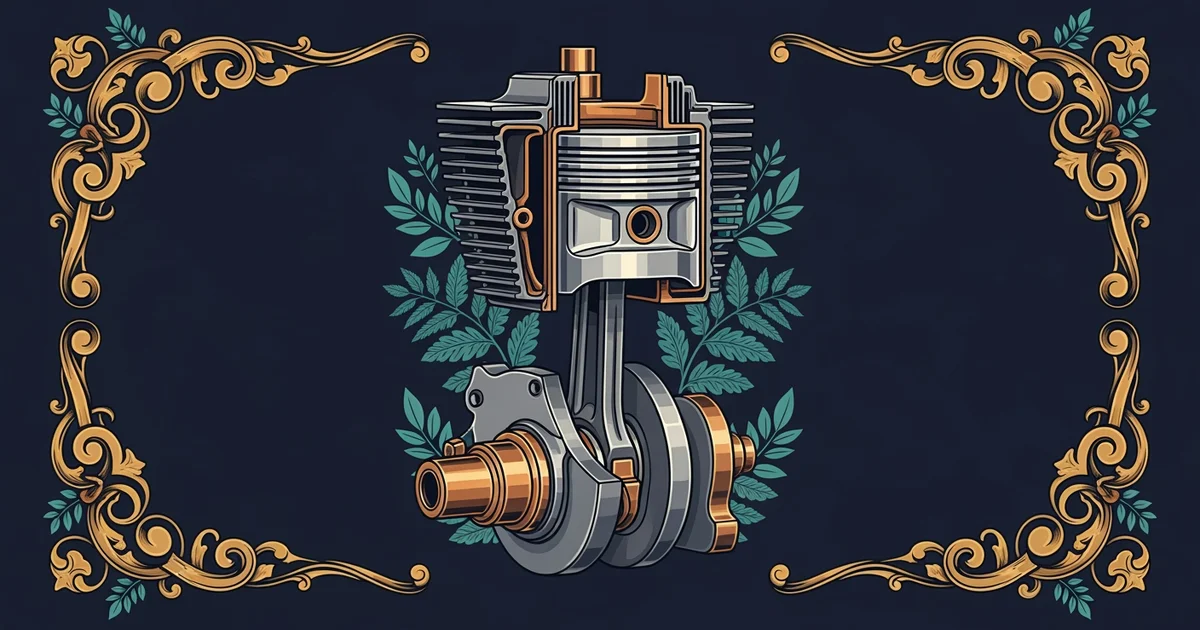
Precision Delivery Through Electronic Control
Electronic fuel injection represents a major leap forward in how internal combustion engines receive their power source. By using sensors to measure air intake, the engine computer calculates the exact amount of fuel needed for every single stroke. This is similar to a chef using a digital scale to measure ingredients rather than guessing by sight. The system ensures that every drop of gasoline is used efficiently, which maximizes power while reducing harmful exhaust emissions. This precision prevents the engine from running too rich or too lean during normal operation.
Key term: Fuel injection — the method of spraying pressurized fuel directly into an engine intake or cylinder using an electronic nozzle.
Engineers design these systems to respond to changing conditions in real time, such as altitude or temperature shifts. When the outside air becomes thinner at high elevations, the computer automatically reduces the fuel spray to match the lower oxygen levels. This constant adjustment keeps the vehicle running reliably across different environments without requiring manual intervention from the driver. It creates a seamless experience where the engine maintains its peak efficiency regardless of the external circumstances or the load placed upon the vehicle.
Comparing Delivery Methods and Efficiency
Historically, engines used a device called a carburetor to mix air and fuel before it entered the engine block. While simple, these devices lacked the fine control required for modern fuel economy and strict environmental standards. The following table highlights the key differences between these two primary methods of managing fuel delivery for internal combustion engines.
| Feature | Carburetor | Fuel Injection |
|---|---|---|
| Control | Mechanical | Electronic |
| Accuracy | Moderate | Very High |
| Efficiency | Lower | Much Higher |
| Complexity | Simple | High |
Modern fuel systems rely on a series of components to ensure that the engine receives the correct fuel mixture at the right time. These parts work together in a sequence to maintain optimal combustion cycles within the metal box of the engine:
- The fuel pump moves liquid from the tank to the engine bay at high pressure.
- The fuel rail holds the pressurized liquid ready for the injectors to release it.
- The electronic injectors open for tiny fractions of a second to spray a fine mist.
- The engine control unit monitors the combustion results to refine the next injection cycle.
This sequence ensures that the engine operates smoothly throughout its entire lifespan. By automating these steps, manufacturers have created vehicles that are far more reliable than those built decades ago. The transition to electronic controls allows for smaller engines to produce more power while using significantly less fuel than older, larger designs. This represents a fundamental change in how we engineer machines to move people across long distances efficiently.
Modern engines achieve maximum power and efficiency by using electronic sensors to deliver precise amounts of fuel directly into the combustion chamber.
But this precise electronic model faces significant challenges when sensors fail or when the electrical system experiences a sudden power surge.