
Lubrication and Cooling Circuits
When a metal piston slides inside a cylinder at high speeds, the intense friction creates enough heat to weld the parts together permanently. Without a way to manage this extreme energy, the entire engine block would seize and fail within a few minutes of operation. Engineers must solve this thermal problem to keep the machine moving for thousands of miles without internal damage. They rely on two distinct systems that circulate fluids to absorb heat and reduce mechanical wear.
The Role of Lubrication Systems
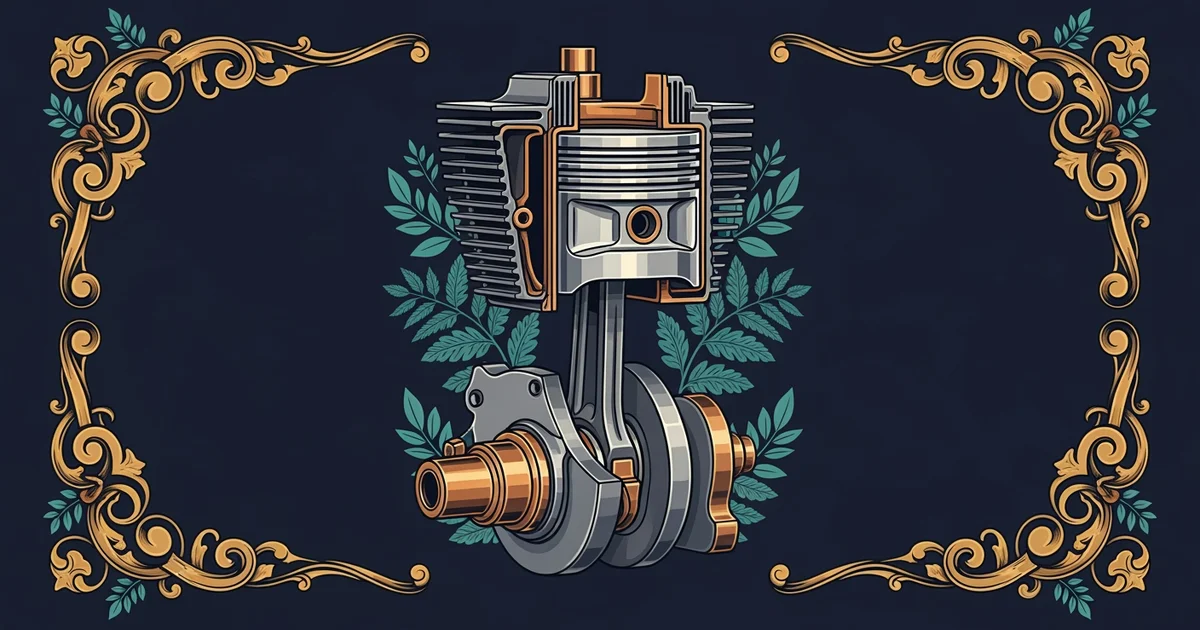
Lubrication serves as the primary defense against the physical destruction caused by metal sliding against metal. The oil pump forces a thin film of lubricant between moving parts to prevent direct contact during high-speed rotation. Think of this process like walking on a layer of ice rather than rough concrete; the smooth surface allows for movement without dragging or heat buildup. As the engine runs, the oil also gathers tiny metal shavings and carbon deposits that result from normal wear. These particles travel back to the oil filter, which traps the debris before it can cause damage to the internal bearings. Maintaining clean oil is essential because dirty fluid loses its ability to protect the surfaces effectively over time.
Key term: Viscosity — the measure of a fluid's resistance to flow, which determines how well oil coats parts at different temperatures.
This system operates as a closed loop that continuously cleans and distributes oil to the hottest friction points. The following components play a critical role in maintaining this protective flow:
- The oil pump creates the necessary pressure to force fluid into the tight spaces between the crankshaft and the engine bearings.
- The oil galleries act as internal highways that deliver the pressurized lubricant to every corner of the engine block.
- The oil pan stores the reserve fluid and allows it to lose some heat before returning to the pump.
Managing Heat Through Cooling Circuits
While oil manages friction, the cooling system handles the massive heat generated by the combustion of fuel. A liquid coolant circulates through hollow channels surrounding the cylinders to pull heat away from the metal walls. This heated fluid then travels to the radiator, where the outside air cools it down before it returns to the engine. The water pump keeps the liquid moving at a steady rate to ensure that no single area becomes too hot during heavy use. If the coolant stops flowing, the metal components expand from the heat and eventually warp, which leads to total engine failure. This constant cycle of heating and cooling acts like a radiator in a home that keeps the temperature balanced.
| Component | Function | Primary Goal |
|---|---|---|
| Water Pump | Moves fluid | Maintain flow |
| Radiator | Releases heat | Lower temp |
| Thermostat | Regulates path | Control timing |
The thermostat plays a vital role by acting as a gatekeeper for the entire cooling circuit. When the engine is cold, the thermostat stays closed to keep the coolant inside the block so the engine can reach its ideal operating temperature quickly. Once the engine hits that target, the thermostat opens to allow the hot fluid to flow toward the radiator for cooling. This precise regulation ensures the engine operates efficiently while protecting the internal seals from extreme thermal stress. Without this smart regulation, the engine would struggle to reach peak power output during the initial stages of a drive.
Proper thermal management relies on circulating fluids to minimize friction and dissipate heat to ensure long-term mechanical reliability.
Since the engine now stays cool and lubricated, we must examine how the system receives the precise amount of fuel needed for each combustion cycle.