
Human Impact Analysis
When the Deepwater Horizon rig spilled millions of barrels of oil into the Gulf of Mexico, the world witnessed the immediate destruction of coastal ecosystems. This event serves as a stark reminder of how industrial activity can disrupt the delicate balance of marine life. We often view the ocean as a vast, limitless resource that can absorb any amount of waste without consequences. However, the reality of human impact proves that our actions create ripples that travel far beyond the initial site of contact.
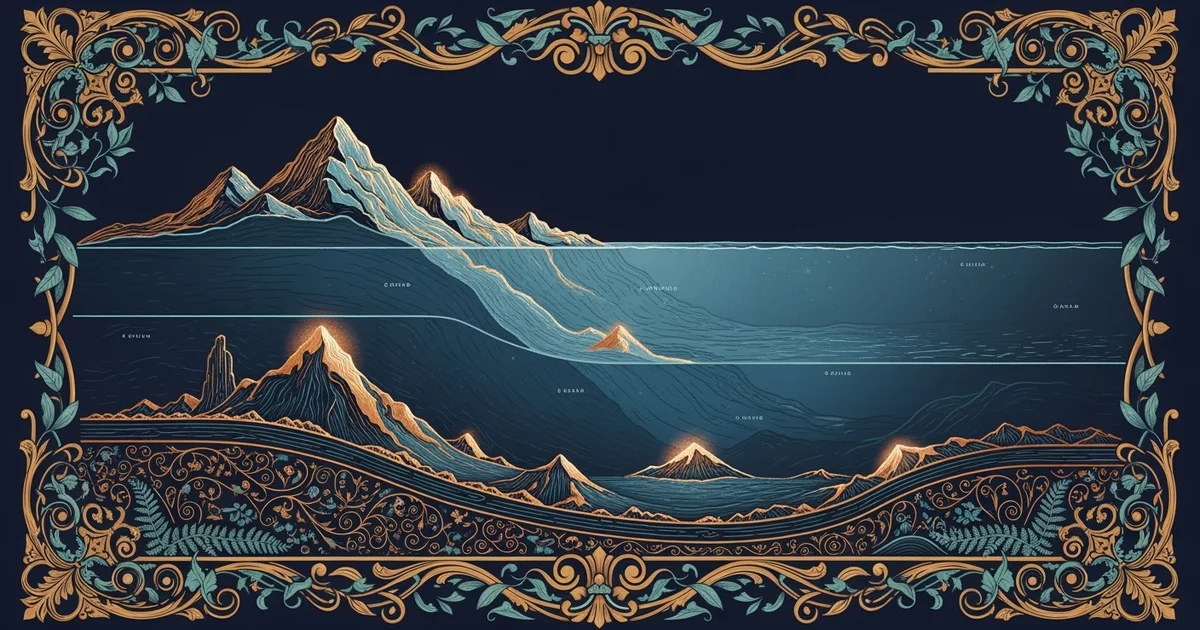
The Cumulative Effect of Marine Pollution
Human activities introduce pollutants that alter the chemical makeup of seawater, which affects the health of every organism. These pollutants often arrive through runoff from farms, factories, and urban centers, carrying chemicals that do not belong in a natural environment. Think of the ocean like a shared bank account where we make constant withdrawals of resources but only deposit toxic waste. Eventually, the balance of this account falls into a deficit that prevents the ecosystem from functioning correctly. This process mirrors the nutrient cycling paths discussed in Station 10, where the flow of essential elements becomes blocked by external interference.
Key term: Anthropogenic — changes to the environment that originate from human activity rather than natural processes.
Pollution creates a feedback loop that degrades the quality of the water over many decades. When we dump nitrogen-rich fertilizers into the sea, we trigger massive algae blooms that consume all available oxygen. These blooms create dead zones where fish and other marine creatures cannot survive because they lack the air to breathe. This loss of biodiversity reduces the resilience of the entire ocean, making it harder for habitats to recover from storms or temperature changes.
The Vulnerability of Coral Reef Systems
Coral reefs function as the cities of the ocean, providing housing and protection for thousands of different species. When humans engage in destructive fishing practices or allow sediment runoff to smother these structures, the entire city begins to collapse. Corals are highly sensitive organisms that rely on a symbiotic relationship with tiny algae to get their energy. If the water becomes too warm or too polluted, the corals expel these algae and turn white, a process known as bleaching. This leaves the coral vulnerable to disease and eventual death, which ruins the structural foundation of the reef.
Below is a summary of how different human activities impact these vital marine habitats:
| Human Activity | Primary Impact | Ecosystem Consequence |
|---|---|---|
| Plastic Dumping | Physical Entanglement | Death of marine mammals |
| Chemical Runoff | Toxic Accumulation | Disruption of reproduction |
| Coastal Dredging | Habitat Destruction | Loss of nursery grounds |
Each of these actions works to dismantle the complex food webs that sustain life in the deep ocean. When we remove one species through pollution, the predators that rely on them must find new food sources or face starvation. This ripple effect shows that the survival of every creature is linked to our decisions on land. We must understand that the ocean is not a bottomless pit for our waste but a living system that requires protection to remain healthy for future generations.
Human impact on marine ecosystems represents a fundamental disruption to the natural cycles that sustain life across our entire planet.
But this model of human-driven decline becomes even more complex when we consider the accelerating effects of global climate change on ocean temperatures.