
Marine Life Basics
Imagine you are standing on a sandy beach while watching the tide pull away from the shore. You notice tiny creatures scurrying into the wet sand while larger fish jump through the distant waves. Every living thing in the ocean must solve the same problem of staying alive in a vast, moving environment. Scientists group these animals based on how they move and where they spend their daily lives. Understanding these groups helps us see how every creature plays a specific role in the global ocean. By breaking down marine life into three main categories, we can map out the complex web of survival beneath the surface.
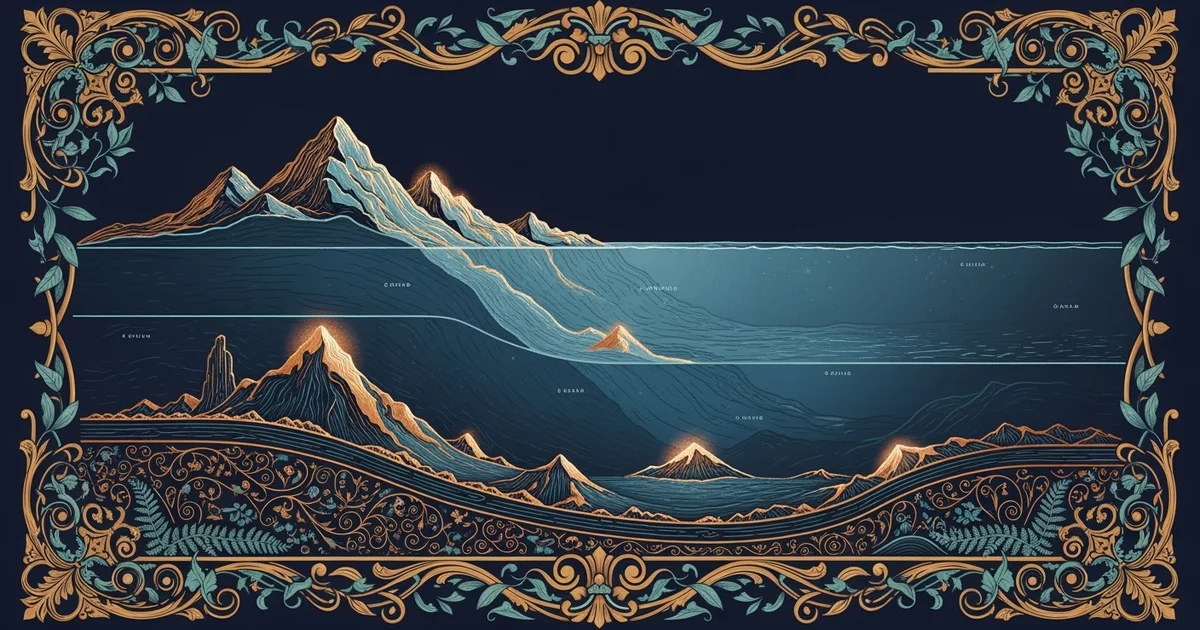
Understanding Ocean Movement Categories
Marine biologists classify life by looking at how organisms interact with the water column during their life cycles. The first group, known as plankton, consists of organisms that drift with the currents rather than swimming against them. Think of these tiny drifters like seeds floating in the wind, as they rely entirely on the water's movement to travel. Because they cannot fight the flow of the ocean, they often cluster in areas where nutrients are abundant. This passive movement strategy allows them to conserve energy while covering vast distances across the globe.
Key term: Plankton — tiny organisms that drift in the water column and cannot swim against the ocean currents.
The second major group includes the nekton, which are the powerful swimmers that navigate the ocean with purpose. Unlike the drifters, these creatures possess strong muscles and fins that allow them to move wherever they choose. You can compare them to commuters who drive their own cars, as they decide their path regardless of the wind or current. This freedom of movement lets them hunt for food across wide areas or escape from predators when danger appears nearby. Their ability to travel long distances makes them the most visible members of the marine world.
Life on the Ocean Floor
While some creatures drift or swim, others prefer to live directly on or within the bottom of the sea. These organisms are called benthos, and they occupy a stationary or slow-moving life at the very base of the ecosystem. You might think of them like homeowners who stay in one place to maintain their property and find local resources. Their lives are tied to the specific conditions of the seafloor, such as the type of sediment or the depth of the water. Because they do not travel, they have evolved unique ways to catch food that drifts down to them from above.
To help keep these categories clear, we can look at how they differ in their daily habits and physical needs:
| Group | Movement Style | Primary Habitat | Energy Usage |
|---|---|---|---|
| Plankton | Drifting | Water column | Very low |
| Nekton | Swimming | Open water | Very high |
| Benthos | Crawling/Fixed | Ocean floor | Moderate |
Each group relies on the others to keep the marine environment balanced and healthy for all inhabitants. The plankton provide the base of the food chain, while the nekton keep populations in check through hunting. Meanwhile, the benthos work to recycle nutrients that fall to the bottom, ensuring that nothing goes to waste in the deep. This system functions like a well-managed city where every resident has a job that supports the entire community. Without these distinct groups working together, the ocean would struggle to sustain the incredible variety of life we see today.
Marine life is organized into groups based on their movement patterns, which dictates how they find food and survive in the ocean.
Next, we will explore how the chemical makeup of water influences where these organisms choose to live.