
Light Zones Explained
Imagine you are standing in a shallow pool where your feet are clearly visible beneath the crystal clear water. As you walk toward deeper parts of the lake, the bottom gradually disappears from your view until it becomes a dark mystery. This simple change in visibility happens because water acts like a thick filter that catches sunlight before it can travel very far. Understanding how this light moves through the ocean is essential for knowing why life exists in some places but not others. The ocean is not just one big tank of water because it is divided into distinct layers based on how much light reaches them.
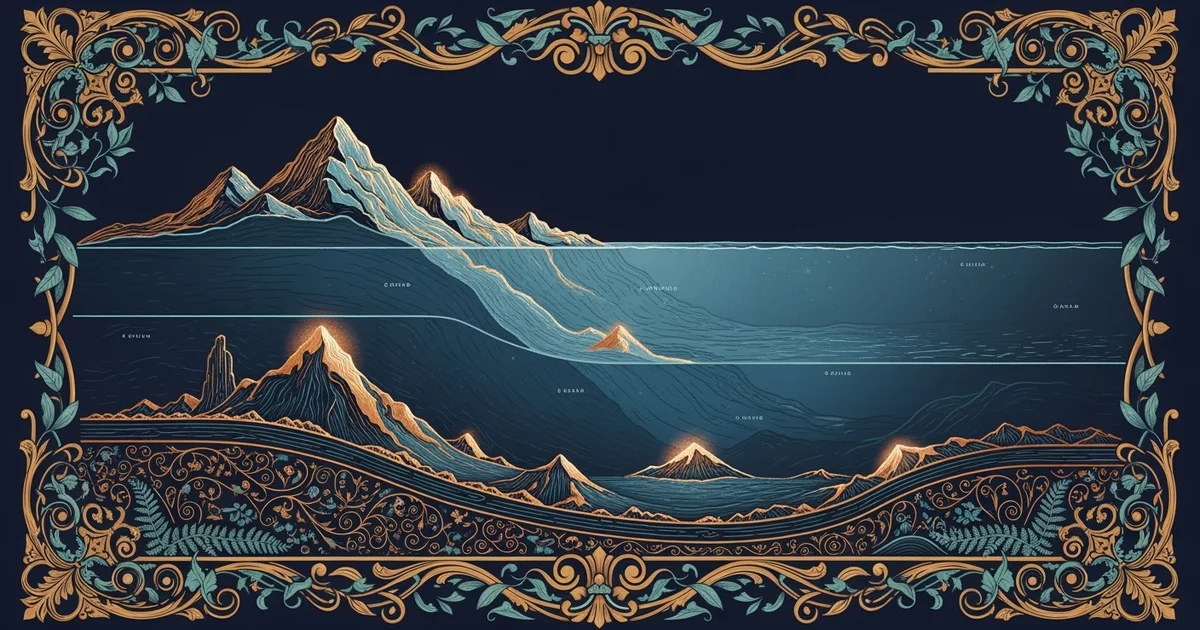
The Vertical Layers of Light
Sunlight only penetrates the very top layer of the ocean, which scientists call the photic zone. This area reaches down to about two hundred meters below the surface of the water. Because enough light reaches this depth, plants and tiny organisms can perform photosynthesis to create food. Think of the photic zone like a busy city street during the day where shop lights and street lamps are not needed. Everything is bright, clear, and full of activity because the natural light source is abundant and easy to access. Most marine life lives here because the energy from the sun supports the entire food chain.
Beneath this bright layer lies the vast and mostly empty aphotic zone, which makes up the rest of the deep ocean. No sunlight reaches this dark area, so plants cannot grow here at all. Living in the aphotic zone is like living in a basement with all the windows boarded up permanently. You must rely on supplies brought down from above or create your own energy through special chemical processes. Animals here have adapted to survive in total darkness where the pressure is intense and the temperatures remain very cold. Life in this deep region is much slower compared to the crowded surface layers.
Key term: Photic zone — the upper layer of the ocean where sunlight is strong enough to support plant life and photosynthesis.
To better understand the transition between these two zones, we can look at the specific characteristics that define how light behaves. The penetration of light depends on the clarity of the water and the amount of particles floating in it. The following list describes the primary differences between these two major ocean regions:
- The photic zone contains enough solar energy to power primary production, which allows algae and plants to thrive.
- The aphotic zone exists in perpetual darkness, forcing creatures to find food sources that drift down from above.
- The boundary between these zones is not a hard line but a gradual transition that changes with water conditions.
Comparing Oceanic Light Levels
When we compare these zones, we see that the ocean functions like an office building with different lighting needs. The top floor has large windows that let in plenty of natural light for workers to see their tasks. The lower floors have no windows at all, so the workers must use artificial lights or find other ways to function. This distribution of light dictates where different species can survive and how they interact with their environment. The table below highlights the key differences between these two zones for better clarity.
| Feature | Photic Zone | Aphotic Zone |
|---|---|---|
| Light Level | High | None |
| Depth Range | 0 to 200m | 200m to bottom |
| Main Energy | Solar | Organic debris |
| Life Density | Very High | Low |
This structural difference in light creates a vertical map of the sea that dictates where every creature resides. By understanding these zones, we can finally see why the deep ocean remains such a mysterious place for humans to study. The hidden forces of the deep ocean rely on this light divide to keep the entire marine ecosystem in balance. As we look deeper, we realize that the lack of light in the lower zones is just as important as the abundance of light in the upper zones for survival.
The vertical distribution of light creates two distinct environments that force marine life to adapt to either solar energy or deep-sea survival strategies.
The next Station introduces coastal habitat types, which determine how light and water movement shape the edges of our oceans.