
Coastal Habitat Types
Walking along a beach reveals a hidden world where land and ocean constantly compete for space. You might notice how the shoreline changes character depending on the types of plants and rocks present there. Understanding these coastal boundaries helps us see why some areas thrive with life while others remain stark and empty. These zones act as the planet’s natural security guards, protecting inland areas from the raw power of moving ocean waves.
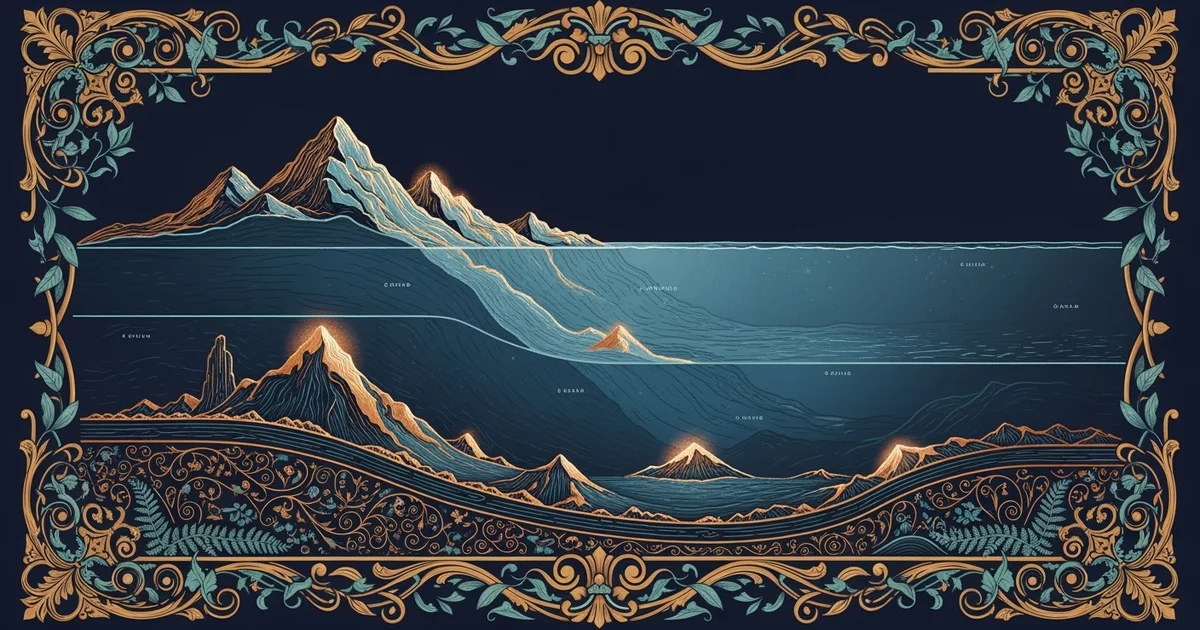
Understanding Coastal Diversity
Coastal habitats are not just simple sandy strips but complex ecosystems shaped by tides and currents. These environments function like a busy city neighborhood where every resident plays a specific role in maintaining local order. Some areas, like mangroves, feature tangled root systems that trap sediment and provide nurseries for young fish species. Other regions consist of jagged rocky shores where organisms must cling tightly to survive the relentless crashing of the surf. Just as different neighborhoods in a city require unique infrastructure to support their residents, these coastal zones rely on specific physical traits to house diverse marine communities. The way water moves through these spaces determines which plants and animals can actually settle down and build a home.
Key term: Mangroves — salt-tolerant trees that grow in tropical coastal waters, creating complex root structures that protect shorelines from erosion.
When we look at the physical structure of these coasts, we see that geography dictates the survival of every living creature. Rocky shores offer hard surfaces for attachment, which is vital for creatures like barnacles that stay in one place. In contrast, mangrove forests provide soft, muddy floors that act like a giant sponge for nutrients. This sponge effect keeps the water clean and supports a massive food web that starts with tiny floating algae. Think of the mangrove forest as a high-security apartment complex with deep roots for protection, while the rocky shore acts like a sturdy stone fortress built to withstand heavy winds. Both systems are essential for the health of our blue planet because they filter the water before it reaches the deeper sea.
Comparing Habitat Characteristics
To better understand how these zones differ, we can look at the specific features that define their daily operations. The table below highlights the primary differences between three common coastal environments found across the globe.
| Habitat Type | Primary Feature | Main Challenge | Benefit to Ocean |
|---|---|---|---|
| Mangroves | Tangled roots | Low oxygen mud | Traps carbon waste |
| Rocky Shores | Hard surfaces | Wave impact | Provides attachments |
| Sandy Beaches | Loose grains | Shifting ground | Filters surface runoff |
These differences show why biodiversity varies so much between one beach and the next. Sandy beaches might look simple, but they serve as a dynamic filter that cleans water as it moves toward the tide. Rocky shores support specialized life forms that have evolved to grip surfaces during high tide events. Mangroves create a protected nursery where young marine life can grow safely away from the dangers of the open ocean. Each of these zones contributes to the overall stability of the marine world by managing how nutrients and sediments move through the shallow water pathways.
When you compare these environments, you realize that the coastal edge is a battlefield of constant change. Plants and animals must adapt to the rhythm of the tides to keep their place in the ecosystem. Without these specific coastal habitats, the ocean would lose its ability to process the waste that flows from the land. Every grain of sand and every twisted root plays a part in keeping the ocean healthy and productive for future generations. By studying these zones, we learn how the hidden forces of the deep ocean shape the survival of every living creature on our blue planet.
Coastal habitats function as essential natural infrastructure that protects marine life by filtering water and providing safe spaces for growth.
The next Station introduces tidal force mechanics, which determines how water levels change in these coastal habitats.