
Ocean Current Dynamics
Imagine you are stirring a giant pot of thick soup with varying temperatures and textures. You notice how the heat moves in swirling patterns as the ingredients shift around the pot. The ocean behaves in a similar way, acting like a massive, fluid engine that regulates the climate of our planet. Hidden beneath the rolling waves of the surface, these deep currents move water across the globe in a slow, steady, and predictable journey. Understanding these movements explains how heat, nutrients, and life itself are distributed across the vast marine landscape.
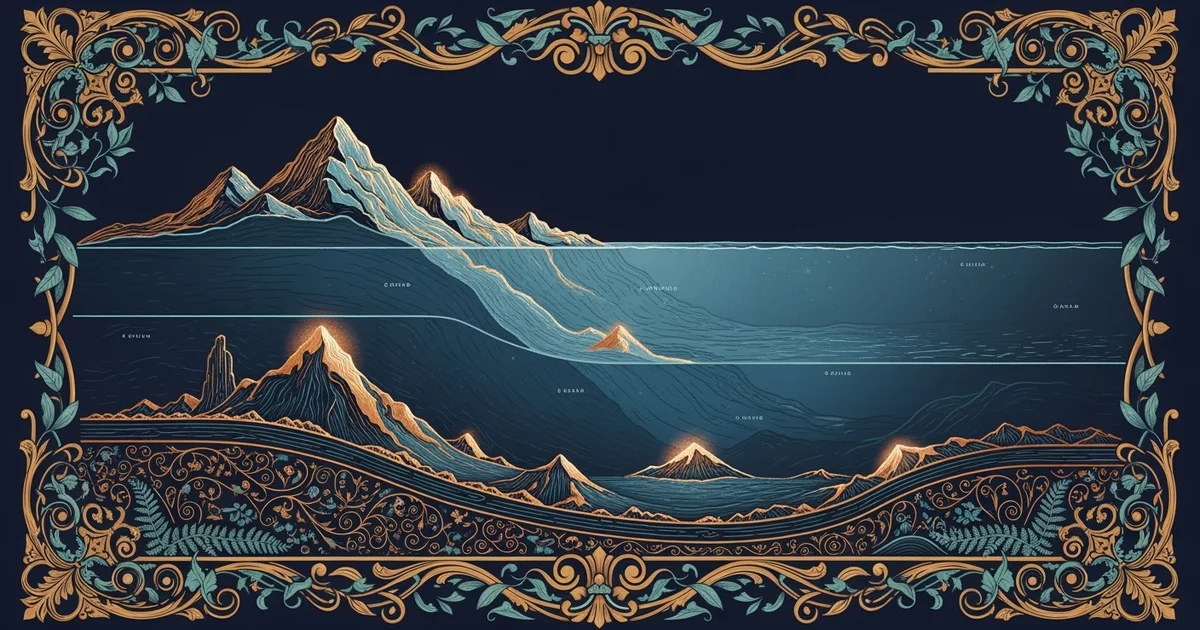
The Engine of Global Circulation
The movement of water across the globe is driven by a process known as thermohaline circulation. This term combines the Greek words for heat and salt, which are the two primary factors that change the density of seawater. When water at the poles freezes, it leaves behind salt, creating cold and dense brine that sinks toward the ocean floor. This sinking water pulls more surface water from warmer regions to take its place, creating a massive, continuous loop. Think of this movement like a conveyor belt in a large warehouse that moves goods from one end to another to keep the inventory balanced. Without this constant flow, heat would become trapped in the tropics, making those areas far too hot to support diverse life forms.
Key term: Thermohaline circulation — a global system of surface and deep-water currents driven by temperature and salinity differences that regulates Earth's climate.
This deep-water movement is often called the global ocean conveyor belt because it acts as a giant transport system for the entire planet. The journey of a single drop of water through this system can take over one thousand years to complete. As the water travels, it picks up dissolved gases and nutrients that are essential for the survival of marine organisms living in the deep sea. The following table highlights the three primary drivers that keep this massive engine moving forward throughout the seasons:
| Driver | Mechanism | Resulting Action |
|---|---|---|
| Temperature | Cold water sinks | Creates deep density |
| Salinity | Saltier water sinks | Increases water weight |
| Wind | Surface pushing | Drives top currents |
Impacts of Density and Climate
Because the ocean is layered by density, the deep, cold water remains separate from the warmer, lighter surface water for long periods. This stratification prevents the ocean from mixing completely, which has a major impact on how oxygen reaches the deepest parts of the sea floor. When surface winds interact with these layers, they can force the deeper, nutrient-rich water to rise toward the light in a process called upwelling. This event is vital for marine ecosystems because it brings food up from the depths to support massive populations of fish and sea life. Changes in climate, such as the melting of polar ice, can introduce fresh water into this system and potentially slow down the entire conveyor belt.
- Density gradients determine the vertical structure of the ocean by forcing heavier, colder water to sink below lighter, warmer layers that sit on top.
- Salinity variations occur when evaporation leaves behind concentrated salt, making the water denser and more likely to sink into the deep ocean basins.
- Heat transport functions as a global thermostat by moving thermal energy from the equator toward the poles to moderate extreme temperature differences across the globe.
If the conveyor belt were to slow down significantly, the climate patterns we rely on today might shift in unpredictable ways. Coastal regions could see changes in weather, while marine habitats might lose the nutrient supply they need to thrive. By studying these hidden forces, scientists can better predict how our blue planet will respond to future environmental changes. Every part of the ocean is connected through this slow, rhythmic dance of water, heat, and salt that sustains the delicate balance of our marine world.
The global ocean conveyor belt acts as a planetary thermostat by continuously circulating heat and nutrients through density-driven water movement.
The next Station introduces food web structures, which determine how the nutrients moved by these currents sustain complex life across the ocean.