
Tidal Force Mechanics
Imagine standing on a beach as the water slowly creeps toward your toes. You watch the ocean rise and fall with a rhythm that feels almost alive. This movement is not random chaos but a result of gravity pulling on our planet. The moon acts like a giant magnet, tugging at the oceans while Earth spins beneath it. This dance creates the predictable cycles we call tides. Understanding these forces helps us see how the moon controls the surface of our blue world.
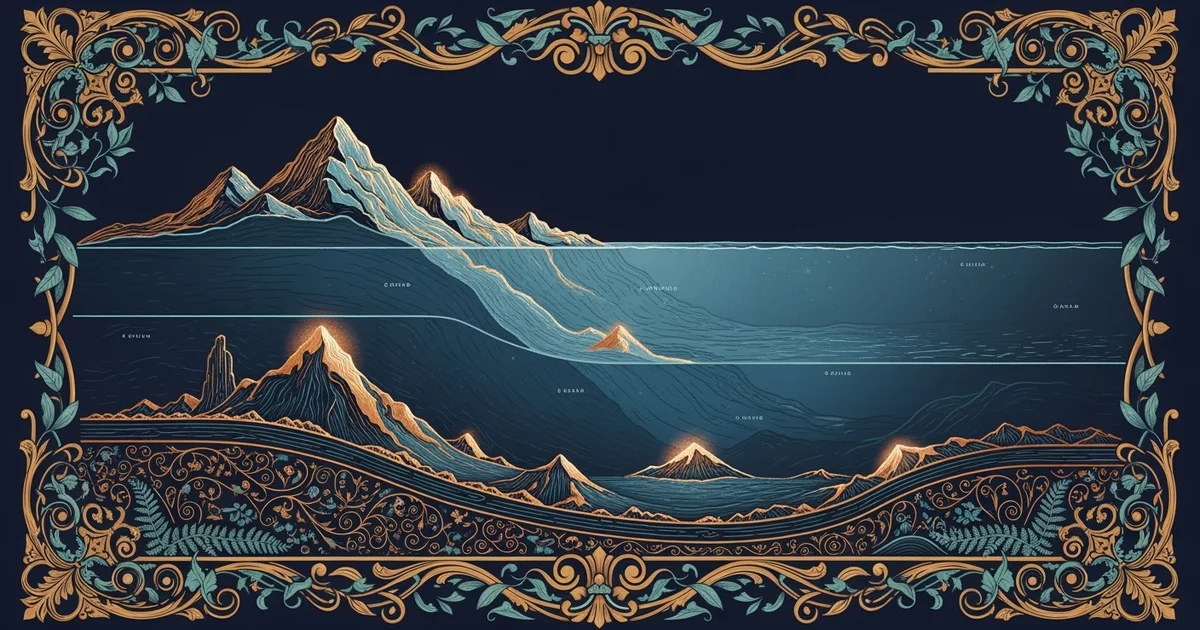
The Mechanics of Gravitational Pull
When the moon orbits Earth, it exerts a gravitational force that pulls on everything nearby. Because water is fluid and moves easily, the ocean bulges outward toward the moon. This creates a high tide on the side of Earth facing the moon. At the same time, inertia causes a second bulge on the opposite side of our planet. This dual-bulge system explains why most coastal areas experience two high tides every single day. Think of this process like stretching a rubber band around a ball. As you pull one side, the other side stretches too, creating two distinct points of tension. The water does not just move in one direction but shifts across the globe in a constant, flowing wave.
Key term: Tidal Bulge — the physical elevation of ocean water caused by the gravitational attraction of the moon and the sun.
Gravity is not the only force at work during these daily cycles. The sun also pulls on our oceans, though its distance makes its influence weaker than the moon. When the sun and moon align, their combined gravity creates an extra strong pull on our seas. These events are known as spring tides, where high tides reach their peak height. Conversely, when the sun and moon sit at right angles, their forces partially cancel each other out. This leads to neap tides, resulting in much smaller differences between high and low water levels. Managing these cycles is similar to balancing a bank account with two different income sources. Sometimes the deposits arrive together for a large boost, while other times they offset each other for a smaller balance.
Predicting Tidal Patterns and Cycles
Predicting the timing of these water shifts requires tracking the lunar position relative to our rotating planet. Because Earth rotates faster than the moon orbits, the location of the tidal bulges shifts throughout the day. This delay means that high tide occurs about fifty minutes later each day than the previous one. Coastal regions must account for this shift to navigate ships or manage local fishing activities safely. Scientists use these predictable changes to map out the best times for coastal movement.
| Tide Type | Lunar Alignment | Effect on Water | Intensity |
|---|---|---|---|
| Spring | Moon and Sun | Maximum rise | High |
| Neap | Right Angles | Minimum rise | Low |
| Daily | Earth Rotation | Two cycles | Standard |
These variations in tidal force dictate how nutrients circulate through marine ecosystems every single day. The movement of water brings fresh oxygen and food to creatures living in shallow coastal zones. Without this constant mixing, many habitats would become stagnant and lose their ability to support life. The interaction between celestial bodies ensures that energy flows across the entire marine landscape. By tracking the moon, we essentially track the heartbeat of the ocean's nutrient cycle.
- The moon pulls water toward it, creating a primary bulge on the side facing the lunar orbit.
- Inertia creates a secondary bulge on the opposite side of Earth, balancing the total water distribution.
- Earth rotates through these two bulges, causing the water level to rise and fall twice each day.
- Solar gravity modifies the strength of these bulges, leading to the variations seen in spring and neap cycles.
These four stages define the rhythm of our oceans and shape the survival of every coastal organism. Every living thing in the intertidal zone relies on this predictable, gravity-driven schedule to find food and shelter. The forces that move the oceans are the same forces that govern the daily lives of marine creatures.
The rhythmic rise and fall of the ocean is a direct physical response to the combined gravitational tug of the moon and the sun on Earth's fluid surface.
But what does it look like in practice when these massive forces push against the crushing depths of the abyss?
Want this with sources you can check?
Premium Learning Paths for Earth Sciences & Geography are researched against open-access libraries — PubMed, arXiv, government databases, and more — with their distinctive claims cited to real sources and independently checked.
See what Premium includes