
Economic Costs of Scarcity
Imagine you visit a local shop to buy a bottle of water, but the price tag keeps climbing higher every single hour. This scenario occurs when a resource becomes scarce, forcing buyers to pay more for the same basic necessity they once took for granted. When underground water levels drop, the cost of accessing that water rises significantly for everyone involved in the production process. This creates a ripple effect throughout the entire economy, impacting how much you pay for your daily meals and essential goods.
The Financial Burden of Diminishing Reserves
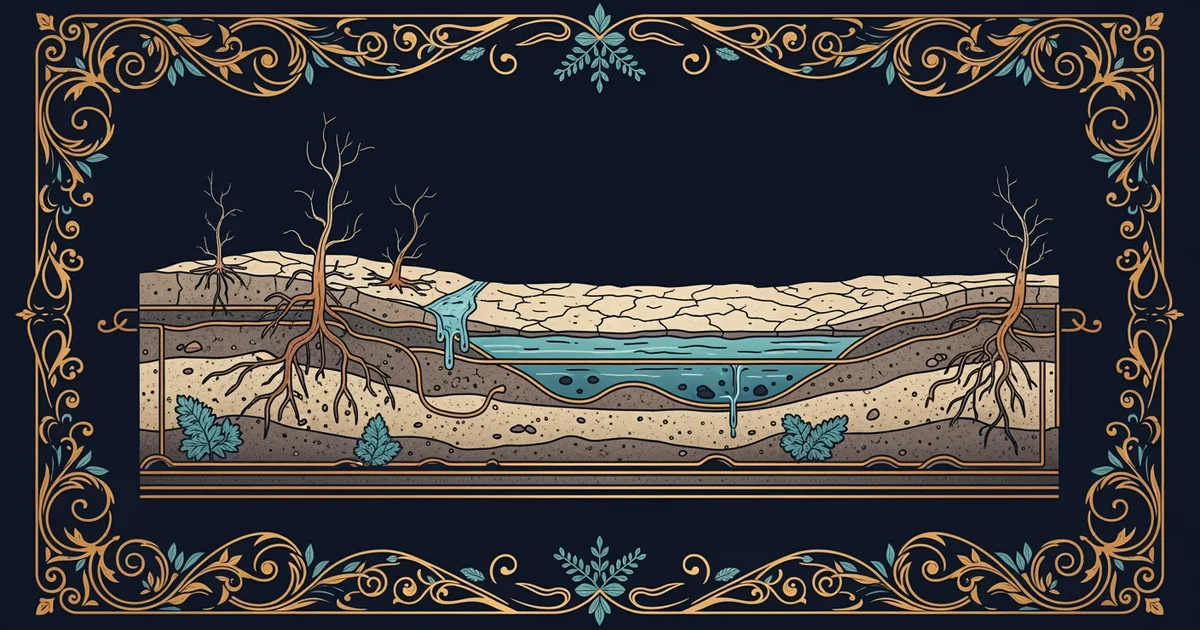
When we rely on aquifers that do not replenish quickly, we essentially treat our water like a bank account with no deposits. As the water table sinks deeper into the earth, farmers must install more powerful, expensive pumps to reach the remaining liquid. These higher energy costs do not disappear because they eventually get passed down to the consumer at the checkout counter. Think of it like a business owner who suddenly faces a massive increase in rent for their office space. To keep the doors open, the owner must raise the prices of their products, which means you ultimately pay more for the exact same service.
Key term: Economic scarcity — the condition where the demand for a resource exceeds the available supply, leading to higher costs for consumers.
This financial pressure forces a shift in how society values water, moving it from a cheap commodity to a high-value asset. When water becomes difficult to extract, the marginal cost of producing a single crop increases because each gallon requires more electricity to pump. This extra expense limits the types of crops a farmer can afford to grow, which changes the variety of food items available in your local grocery store. If water costs become too high, some farms may shut down entirely, leading to a smaller supply of food that drives prices even higher for everyone.
Market Impacts and Resource Allocation
Beyond the immediate price hikes at the store, we must consider the long-term damage to regional financial stability. Communities that depend heavily on agriculture often see their local economies shrink when water becomes too expensive to manage effectively. This decline can lead to job losses and reduced tax revenue, which impacts schools, roads, and public services in those areas. Water is the hidden fuel for our food system, and its depletion acts as a tax on our future prosperity.
To understand how these costs accumulate, consider the following factors that drive up the price of water-dependent goods:
- Energy expenditures: Deep wells require massive electric pumps that consume significant power, adding a direct financial burden to the cost of every gallon retrieved.
- Infrastructure investment: Building deeper wells and maintaining complex piping systems requires large capital investments that must be recovered through higher food or utility prices.
- Risk premiums: Because water supplies are becoming unpredictable, businesses charge more to cover the potential losses if a harvest fails due to sudden water shortages.
| Economic Factor | Impact on Consumer | Primary Consequence |
|---|---|---|
| Pumping Costs | Higher food prices | Reduced purchasing power |
| Infrastructure | Higher utility bills | Lower disposable income |
| Supply Risk | Market volatility | Unstable grocery costs |
By analyzing these elements, we see that water depletion is not just an environmental issue, but a fundamental economic challenge. When we ignore the rising costs of water, we are essentially borrowing from our own future wealth to pay for current consumption. This cycle cannot continue indefinitely without causing significant harm to the global food market and our standard of living.
Economic scarcity turns water into a costly asset, forcing a rise in food prices that ripples through the entire global economy.
The next Station introduces agricultural irrigation impacts, which determines how water efficiency technology changes the way we manage these rising costs.